
Do you ever notice your gas furnace not working as efficiently as it should? Picture this: Your home feels chilly, and you’re left wondering why your heating system isn’t performing optimally. The culprit could be a dirty heat exchanger. But fret not, cleaning it can make a world of difference in how well your furnace operates.
In this article, we’ll guide you through the simple yet crucial process of cleaning your gas furnace heat exchanger. By following these steps, you’ll not only improve the efficiency of your heating system but also ensure its longevity. Stay tuned to discover how easy it is to maintain your gas furnace and keep your home comfortably warm all winter long.
Key Takeaways
- Understanding the role of the gas furnace heat exchanger is crucial for maintaining optimal heating system performance.
- Signs indicating the need for cleaning include reduced efficiency, uneven heating, and unusual noises from the furnace.
- Essential tools like a soft-bristled brush, vacuum cleaner, microfiber cloth, and safety gear are necessary for safe and effective cleaning.
- Following a step-by-step guide that includes preparing the furnace, inspecting, brushing/vacuuming, wiping down surfaces, and reassembling is key to successful cleaning.
- Troubleshooting common issues like clogs and corrosion during cleaning can help ensure efficient operation of the heat exchanger.
- Knowing when to seek professional help for extensive damage or lack of experience in DIY maintenance is essential for long-term furnace efficiency.
Understanding Your Gas Furnace Heat Exchanger
Importance of Regular Cleaning
To ensure your gas furnace operates efficiently, it’s crucial to understand the role of the heat exchanger. This component is responsible for transferring heat from the fuel source to the air that circulates through your home. Over time, dust and debris can accumulate on the heat exchanger, hindering its ability to transfer heat effectively. By regularly cleaning this vital part of your furnace, you can maintain optimal performance and prevent potential issues.
Identifying When Cleaning Is Needed
Knowing when to clean your gas furnace’s heat exchanger is key to keeping your system running smoothly. Signs that cleaning may be necessary include reduced heating efficiency, uneven heating in different rooms, or strange noises coming from the furnace during operation. If you notice any of these indicators, it’s a good idea to inspect the heat exchanger and clean it if needed. Regular maintenance will help you avoid more significant problems down the line and ensure your home stays warm and comfortable.
Tools and Supplies Needed for Cleaning
Recommended Products

Weil Mclain 591-706-200 Heat Exchanger Cleaning Tool With Handle

SAVE YOUR TIME AND HANDY - Did you ever spend a lot of time on cleaning the ports? And the dock didn’t leave at all. These make cleaning a ethanol damaged or dirty carburetor a lot easier, working great and handy, never have a hard time cleaning the ports from now on.
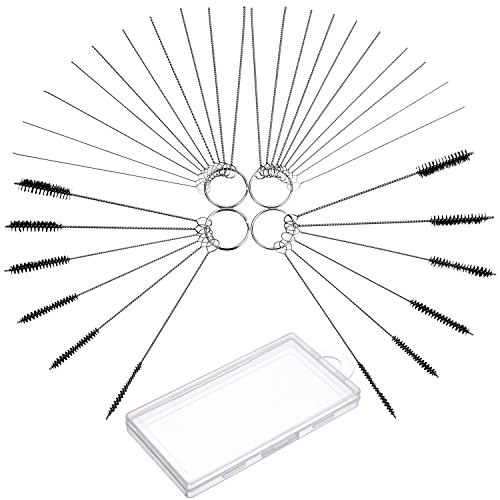
Package: includes 2 sets (32 pieces) carburetor cleaning tools containing 20 pieces cleaning needles and 12 pieces brushes; These needles are 4.33 inches in length, and brushes have 6 diameters, 2 mm, 3 mm, 4 mm, 5 mm, 6 mm, 7 mm
Essential Cleaning Materials
To effectively clean your gas furnace heat exchanger, you’ll need a few essential cleaning materials. Here’s what you should gather before starting the cleaning process:
- Soft-bristled brush: This will help you gently remove dust and debris from the heat exchanger without causing damage.
- Vacuum cleaner with a hose attachment: Use this to suck up loosened dirt and particles during the cleaning process.
- Microfiber cloth: Perfect for wiping down surfaces after brushing off loose debris to leave the heat exchanger clean.
- Mild detergent or vinegar solution: Prepare a gentle cleaning solution to help break down stubborn grime on the heat exchanger.
Safety Equipment
Ensuring your safety during the cleaning process is crucial. Make sure you have the following safety equipment on hand:
- Gloves: Protect your hands from coming into direct contact with dirt, dust, or any potentially harmful substances in the heat exchanger.
- Safety goggles: Shield your eyes from dust particles or debris that may become dislodged during cleaning.
- Dust mask or respirator: Prevent inhaling harmful particles while working on cleaning the gas furnace heat exchanger.
By having these tools and supplies ready, you can safely and efficiently clean your gas furnace heat exchanger, maintaining its performance and prolonging its lifespan.
Step-by-Step Guide to Cleaning a Gas Furnace Heat Exchanger
Recommended Products
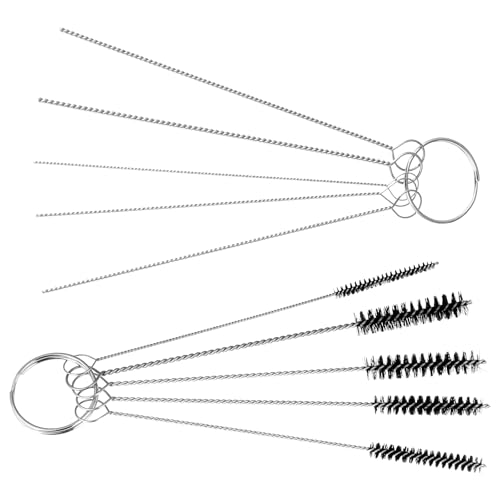
You will get:2pcs of carburetor cleaning tools that includes 5pcs * brushes,5pcs * rods. Each nozzle cleaner contains 10.3cm long steel wires with different diameter cleaning lines to help you remove invisible dirt. The ultra-fine cleaning line allows you to clean tiny copper holes without enlarging them, meeting your multiple needs

ALL-IN-ONE CLEANING REACH: Clear airflow-blocking lint and soot with a 3-inch cleaning head, a 10 ft flexible brush, plus a steel ash scrubber. This versatile dryer vent cleaner kit also doubles as a chimney sweep kit for professional-grade stove pipe and fireplace upkeep.

High-Quality Materials: The entire unit is copper brazed at edges and contact points, forming a durable and leak-resistant piece that withstands high pressure and temperature.
Preparing the Furnace
When it comes to cleaning your gas furnace heat exchanger, preparation is key. Here’s how you can get started:
- Turn Off the Power: Before beginning any maintenance on your furnace, make sure to turn off the power supply to avoid any accidents.
- Gather Your Supplies: As mentioned earlier, you’ll need a soft-bristled brush, vacuum cleaner, microfiber cloth, and either a mild detergent or vinegar solution for cleaning.
- Put on Safety Gear: Ensure your safety by wearing gloves, safety goggles, and a dust mask before handling any parts of the furnace.
Cleaning Process
Now that you’re prepared let’s dive into the cleaning process:
- Remove the Panels: Start by carefully removing the access panels on your furnace to expose the heat exchanger.
- Inspect for Debris: Use a flashlight to inspect the heat exchanger for any visible dirt or debris that needs to be cleaned.
- Brush and Vacuum: Gently brush away loose debris using a soft-bristled brush and then vacuum up any remaining dirt with a vacuum cleaner.
- Wipe Down Surfaces: Dampen a microfiber cloth with your chosen cleaning solution (mild detergent or vinegar) and wipe down all accessible surfaces of the heat exchanger.
- Let It Dry: Allow the heat exchanger to air dry completely before reassembling it.
Reassembling After Cleaning
Once you’ve completed cleaning your gas furnace heat exchanger, follow these steps to put everything back together:
- Secure Panels: Carefully reattach all access panels ensuring they are properly secured in place.
- Restore Power: Turn the power back on and test your furnace to ensure it’s functioning correctly after cleaning.
By following these simple steps, you can keep your gas furnace heat exchanger clean and maintain its efficiency for optimal heating performance in your home environment.
Troubleshooting Common Issues During Cleaning
Clogged Heat Exchanger Problems
When cleaning your gas furnace heat exchanger, you may encounter issues such as clogs that hinder proper airflow. If you notice reduced heating efficiency or uneven heating in your home, a clogged heat exchanger could be the culprit. To troubleshoot this problem, carefully inspect the heat exchanger for any build-up of dirt, dust, or debris. Use a soft brush or vacuum to gently remove the obstructions without damaging the surface. Ensuring unrestricted airflow is crucial for optimal heat exchange and efficient operation of your furnace.
Handling Corrosion and Wear
Another common issue during gas furnace heat exchanger cleaning is dealing with corrosion and wear on the surfaces. Corrosion can occur over time due to exposure to moisture or other environmental factors, leading to inefficiencies in heating transfer. When encountering signs of corrosion or wear on the heat exchanger, it’s essential to address them promptly to prevent further damage. Use a mild cleaner recommended for HVAC systems to gently remove corrosion and grime from the surfaces. Inspect for any areas with significant wear and consider professional assistance if needed to ensure the longevity of your gas furnace’s heat exchanger.
Professional Cleaning Versus DIY
Recommended Products
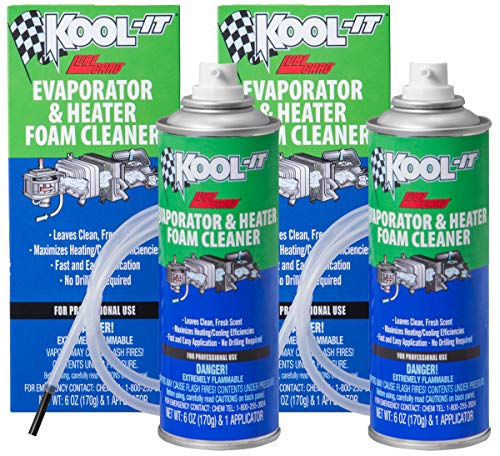
Leaves a clean, fresh scent
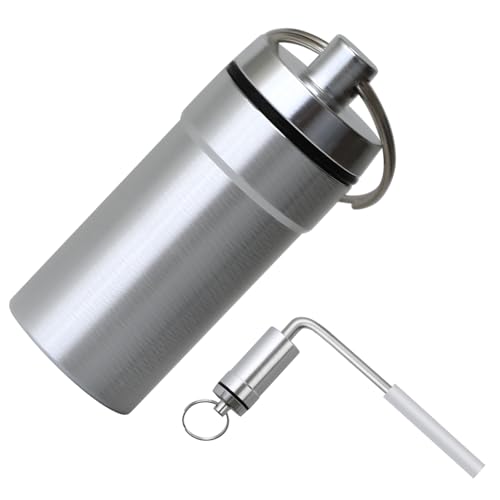
Cleans Furnace Flame Rod Sensors:over time, the flame sensor can accumulate dirt, dust, and other residues, which can cause it to malfunction and system shutdowns or inefficient operation,This flame sensor cleaning tool is the ideal choice.

Exceptional Performance: The heat exchanger has a capacity of 60,000 Btu. Depending on the application, the heat exchanger can produce up to 360kBtu of heat per hour, with 12 aluminum fins and 3 rows of 3/8" seamless copper tubes per inch. The combination of wavy fins and seamless copper tubes, which enhanced contact areas both inside and outside the tubes, results in a 10-20 percent increase in heat transfer performance, maximizing heating or cooling efficiency
When to Call a Professional
If you notice significant damage, extensive corrosion, or complex clogs in your gas furnace’s heat exchanger, it’s best to call a professional HVAC technician. Professionals have the expertise and specialized tools to handle intricate issues safely and effectively. Additionally, if you lack experience or confidence in performing maintenance tasks on your own, seeking professional help ensures the job is done correctly.
Benefits of Professional Maintenance
Opting for professional maintenance offers several advantages. Professionals conduct thorough inspections, identifying potential problems early on and preventing major breakdowns. They can also provide expert cleaning services that may be challenging for DIY enthusiasts to execute correctly. Moreover, regular professional maintenance can improve the overall efficiency of your gas furnace, leading to lower energy bills and extended equipment lifespan.
Conclusion
Ensuring your gas furnace’s heat exchanger is clean is crucial for its performance and longevity. By following the maintenance steps outlined in this article, you can prevent common issues like clogs and corrosion. Remember, professional cleaning may be necessary for complex problems. Regular maintenance not only improves efficiency but also helps lower energy bills while extending the lifespan of your equipment. Stay proactive in caring for your gas furnace to enjoy a warm and comfortable home all winter long!
Frequently Asked Questions
Why is cleaning a gas furnace’s heat exchanger important?
Regular cleaning of the heat exchanger ensures optimal performance by preventing clogs and corrosion, maintaining efficiency, and extending the equipment’s lifespan.
What are the benefits of professional maintenance over DIY methods?
Professional maintenance offers expert cleaning services, thorough inspections, early problem identification, improved efficiency, lower energy bills, and effective solutions for complex clogs or significant damage.
When should I consider calling a professional for furnace maintenance?
Call a professional if you encounter major issues like significant damage or complex clogs that require expert intervention beyond basic DIY cleaning methods. Professional help can ensure proper care and prevent further problems.
