
Ever wondered why your reverse osmosis system isn’t performing as efficiently as before? Picture this: despite its vital role in providing clean, purified water for you and your family, the system may be struggling due to a lack of proper maintenance.
Have you noticed a decrease in water flow or an unusual taste in your drinking water? These could be signs that your reverse osmosis system is overdue for a good cleaning.
In this article, you’ll discover simple yet effective ways to clean your reverse osmosis system, ensuring it operates at its best and continues to deliver high-quality drinking water for your household. Let’s dive into the essential steps that will help you maintain the performance and longevity of this crucial home appliance.
Key Takeaways
- Regular cleaning of your reverse osmosis system every 3-12 months helps maintain its efficiency and ensures clean, purified water for consumption.
- Gather necessary materials such as a new filter set, gloves, cleaning solution, and cloths before starting the cleaning process to streamline maintenance.
- Cleaning filters, sanitizing the system, and checking key components like water pressure and tubing are essential steps in maintaining a healthy reverse osmosis system.
- Troubleshoot common issues like low water pressure or noisy systems promptly to prevent further problems and ensure smooth operation.
- Follow a regular maintenance schedule and proactively replace parts like filters and membranes to extend the lifespan of your reverse osmosis system and avoid costly repairs.
Understanding Reverse Osmosis Systems
What Is a Reverse Osmosis System?
A reverse osmosis system is a water purification technology designed to remove impurities and contaminants from water. It utilizes a semi-permeable membrane that allows only water molecules to pass through while blocking larger molecules like minerals, salts, and other impurities. This process helps in producing clean, purified water suitable for drinking and cooking.
How Does Reverse Osmosis Work?
Reverse osmosis works by applying pressure to the contaminated water on one side of the membrane. This pressure forces the water molecules through the membrane while leaving behind impurities that are too large to pass through. The separated contaminants are then flushed away as wastewater, leaving you with clean, filtered water on the other side of the membrane ready for consumption.
By understanding how reverse osmosis systems function, you can appreciate their effectiveness in providing you with high-quality drinking water free from harmful substances.
Preparing for Cleaning
Recommended Products
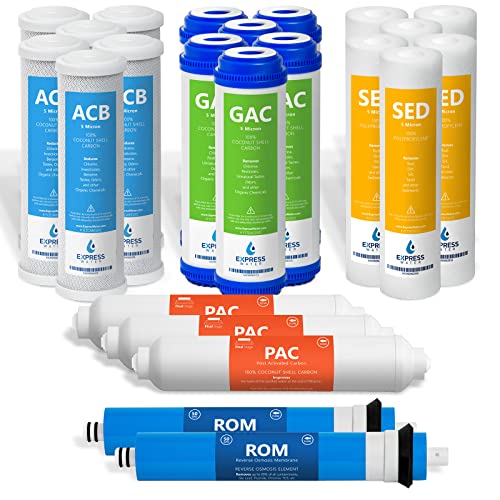
Reverse Osmosis Replacement Water Filters: Experience what water should taste like with the Express Water reverse osmosis water filtration system reducing up to 99.99% impurities.

MATERIAL RELIABILITY: MS Reverse Osmosis (RO) membranes are made from 100% food-grade Thin Film Composite (TFC) material for ultimate purification performance with high permeate flow, tested by an independent third-party to meet NSF/ANSI 58 standards.
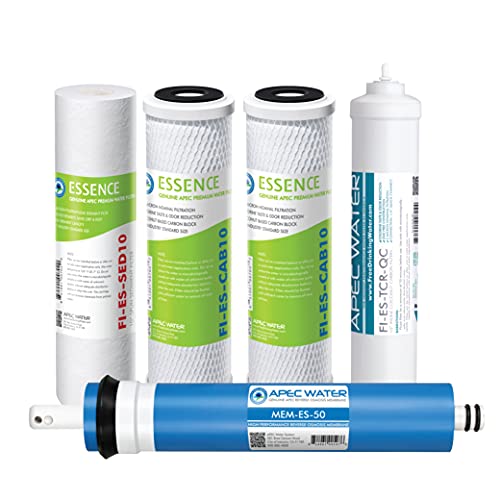
APEC Water ESSENCE Series FILTER-MAX-ES50 is for ROES-50.
When to Clean Your Reverse Osmosis System
To ensure your reverse osmosis system operates at its best, you should clean it regularly. A good rule of thumb is to clean the system every 3-12 months based on your water quality and usage. Signs that indicate it’s time for cleaning include a decrease in water flow rate, strange tastes or odors in the water, and a drop in water pressure. By staying proactive with regular cleaning, you can maintain the efficiency of your system and enjoy clean, purified water.
Materials Needed for Cleaning
Before starting the cleaning process, gather the necessary materials. You’ll need a new filter set specific to your reverse osmosis system model. Additionally, prepare a pair of gloves to protect your hands during handling of components. It’s also helpful to have a bucket, some clean cloths or paper towels for wiping surfaces, and white vinegar or a manufacturer-recommended cleaning solution. Having these materials ready will streamline the cleaning process and ensure thorough maintenance of your reverse osmosis system.
Step-by-Step Cleaning Guide
Cleaning the Filters
To maintain your reverse osmosis system’s efficiency, start by cleaning the filters regularly. Here’s how you can do it:
- Turn Off the System: Before starting any maintenance, ensure you turn off your reverse osmosis system to prevent any accidents.
- Remove the Filters: Carefully detach the filters from their housings. Make sure to note their positions for correct reinstallation later.
- Inspect and Clean: Check each filter for buildup or debris. Use a soft brush or cloth to gently clean them. If they are too dirty, consider replacing them with new filters.
- Sanitize Filter Housings: Wipe down the filter housings with a mild cleaning solution to eliminate any contaminants that may have accumulated.
- Reinstall Filters: Once cleaned and sanitized, reinstall the filters back into their respective housings in the correct order.
Sanitizing the System
Maintaining a clean and sanitized reverse osmosis system is crucial for ensuring safe drinking water quality. Follow these steps to sanitize your system effectively:
- Prepare Sanitizing Solution: Create a sanitizing solution by mixing water and a recommended sanitizer suitable for RO systems.
- Flush System with Solution: Disconnect the inlet water supply and allow the sanitizing solution to run through your system for at least 30 minutes.
- Rinse Thoroughly: After sanitizing, flush your system with clean water multiple times to ensure all traces of sanitizer are removed.
- Check Taste and Odor: Turn on your faucet and let some water flow through to check if there are any lingering tastes or odors from the sanitizer; repeat flushing if needed until water tastes normal.
Checking System Components
Regularly inspecting key components of your reverse osmosis system helps identify issues early on before they escalate into bigger problems:
- Check Water Pressure: Monitor your system’s water pressure regularly; a decrease could indicate clogged filters that need attention.
- Inspect Tubing and Fittings: Look for leaks, cracks, or loose fittings in tubing connections; tighten fittings as necessary or replace damaged parts.
- Test TDS Levels: Use a TDS (Total Dissolved Solids) meter to measure water quality periodically; an increase in TDS levels might suggest filter replacement is needed.
Troubleshooting Common Issues
Recommended Products

Enjoy Your Water with Confidence: Our Reverse Osmosis membrane is able to remove up to 99% of over 1,000 contaminants from your water, including lead (removes up to 98% of lead), chlorine, fluoride, arsenic, asbestos, calcium, sodium and more.

The PUREST water – Removes up to 99.9% of impurities icnluding Heavy Metals, Total Dissolved Solids (TDS). Certified to NSF/ANSI 58 for the reduction of Arsenic, Barium, Cadmium, Chromium (Hexavalent), Chromium (Trivalent), Copper, Turbidity, Fluoride, Lead, Radium 226/228, Selenium, and TDS.

Low Water Pressure Problems
If you’re experiencing low water pressure in your reverse osmosis system, there are a few common causes you can check. First, ensure that the feed water valve is fully open; this valve controls the flow of water into the system. Next, inspect the storage tank to see if it’s pressurized correctly—low pressure may indicate an issue with the tank or its valve. Additionally, check for any clogs or blockages in the system’s tubing or filters, as these can restrict water flow and lead to decreased pressure.
Noisy System Issues
A noisy reverse osmosis system can be bothersome but is often easy to troubleshoot. Start by checking if the noise is coming from the faucet; if so, it could be due to air trapped in the lines. To fix this, try running the faucet for a few minutes to release any air bubbles. If the noise persists and seems to originate from the system itself, inspect the system for loose connections or worn-out parts that may vibrate during operation. Tightening connections and replacing damaged components can help reduce noise levels significantly.
Maintenance Tips for Longevity
Regular Maintenance Schedule
To ensure your reverse osmosis system functions optimally, it’s crucial to follow a regular maintenance schedule. Every 3-12 months, depending on your water quality and usage, you should perform a thorough cleaning. Signs that indicate the need for cleaning include a decrease in the flow rate and unusual tastes in the water. By adhering to this schedule, you can prevent issues and maintain clean, healthy drinking water for you and your family.
Replacing Parts Proactively
In addition to regular cleaning, proactive part replacement is key to extending the lifespan of your reverse osmosis system. It’s recommended to replace certain components at specific intervals to prevent breakdowns and ensure efficient operation. For example, filters should typically be replaced every 6-12 months, while membranes may last 2-3 years before needing replacement. By staying ahead of these replacements, you’ll avoid potential problems and enjoy consistent water quality from your system.
Remember, following a maintenance schedule and proactively replacing parts are essential practices for maximizing the longevity of your reverse osmosis system. By taking these steps, you’ll not only ensure clean and safe drinking water but also save yourself from costly repairs down the line.
Conclusion
Maintaining your reverse osmosis system is vital for ensuring clean and safe drinking water. By following a regular cleaning schedule and addressing any issues promptly, you can prolong the lifespan of your system and avoid costly repairs. Remember to clean filters, sanitize the system, and check components regularly to keep it running smoothly. Pay attention to signs like decreased flow rate or strange tastes in the water as indicators that cleaning may be needed. Troubleshooting common problems such as low water pressure or noisy operations can be easily managed by checking key components like the feed water valve, storage tank, and tubing for blockages. Stay proactive in replacing filters and membranes to guarantee optimal performance from your reverse osmosis system. With proper care, you can enjoy high-quality drinking water without worries.
Frequently Asked Questions
How often should I clean my reverse osmosis system?
We recommend cleaning your reverse osmosis system every 3-12 months, depending on water quality and usage. Signs for cleaning include decreased flow rate and unusual tastes in the water.
What are the key steps to cleaning a reverse osmosis system?
The key steps include cleaning filters, sanitizing the system, and regularly checking components for any issues. Following a thorough step-by-step guide is crucial to maintain the system’s efficiency.
How can I troubleshoot common issues with my reverse osmosis system?
For common issues like low water pressure or noisy operations, check the feed water valve, inspect the storage tank, and look for clogs or blockages in tubing or filters. Addressing these problems promptly can help maintain optimal performance.
Why is it important to follow a regular maintenance schedule for my reverse osmosis system?
Following a regular maintenance schedule ensures that your system continues to provide clean and safe drinking water. Proactively replacing parts like filters and membranes helps extend the lifespan of your reverse osmosis system while preventing costly repairs.
