- Separate your laundry into different piles based on color and fabric type to prevent color bleeding and damage.
- Check the care labels on your clothing items to determine the appropriate water temperature, cycle, and detergent to use.
- Pre-treat stains using stain removers or a mixture of detergent and water before washing.
- Load the washing machine properly, ensuring not to overload it to allow for proper agitation and cleaning.
- Select the appropriate wash cycle for your laundry, considering factors such as fabric type, level of dirtiness, and desired outcome.
- Add the recommended amount of detergent based on the load size and soil level. Be cautious not to use too much detergent as it can leave residue on clothes or cause excessive sudsing.
- If necessary, add fabric softener or dryer sheets during the rinse cycle to enhance softness and reduce static cling.
- After the wash cycle is complete, promptly transfer your laundry to the dryer or hang them up to air dry depending on garment instructions.
- When using a dryer, select the appropriate heat setting based on fabric type and desired outcome. Avoid over-drying clothes to prevent shrinkage or damage.
- Fold or hang up your clean laundry immediately after drying to minimize wrinkles and make it easier when putting them away later.
Are you tired of staring at your overflowing laundry basket, wondering how on earth you’re going to tackle the endless pile of dirty clothes? We’ve all been there. Laundry can be a daunting task, especially when you’re not sure where to start or how to do it efficiently. But fear not, because in this article, we’ve got the answers you’ve been searching for.
From sorting your laundry to choosing the right detergent and handling those pesky stains, we’ll guide you through each step of the laundry process. Say goodbye to shrinking your favorite sweater or turning your whites into a lovely shade of pink. Whether you’re a laundry novice or just looking for some tips and tricks to streamline your routine, we’ve got you covered. Get ready to conquer that mountain of clothes with confidence and ease!
Doing laundry successfully involves sorting your clothes, pre-treating stains, and selecting the right detergent and fabric softener. Separate laundry by color and fabric type, pre-treat stains before washing, and choose appropriate cleaning products for effective and gentle cleaning.
Essential steps for successful laundry from start to finish
Doing laundry may seem like a simple task, but following the right steps can ensure that your clothes are clean, fresh, and well-maintained. Here are some essential steps for successful laundry from start to finish:
1. Sort your laundry:
Before starting the washing process, it’s important to separate different types of clothing based on their color, fabric type, and level of dirtiness. This helps prevent color bleeding and ensures that each garment receives the appropriate treatment.
- Separate whites, light colors, and dark colors to avoid color transfer.
- Sort delicate fabrics such as silk or lace separately from heavier items like jeans or towels.
- If some clothes have stains, set them aside for pre-treatment before washing.
2. Pre-treat stains:
Stains can be stubborn and require special attention before tossing them into the washing machine. Pre-treating stains can greatly improve their chances of being completely removed during the wash cycle.
- Identify the type of stain (e.g., grease, ink, wine) and choose an appropriate stain remover or method.
- Gently dab or rub the stain with the chosen stain remover using a cloth or sponge.
- Let the stain remover sit on the fabric for a few minutes before proceeding with regular washing.
3. Select the right detergent and fabric softener:
Choosing the right detergent is crucial for effective cleaning without damaging your clothes. Additionally, fabric softeners can enhance the feel and scent of your garments. Consider the following when selecting these products:
- Determine if you need a regular detergent or one specifically designed for delicate fabrics or sensitive skin.
- Check the labels to ensure compatibility with your washing machine and the type of clothing you’re washing.
- Consider using fabric softener if you want your clothes to feel softer and smell pleasant.
4. Load the washing machine correctly:
Properly loading your washing machine can improve the efficiency of the wash cycle and help maintain the quality of your clothes.
- Avoid overloading the machine, as it can lead to inadequate cleaning or excessive wear on the garments.
- Distribute clothes evenly to prevent tangling and promote balanced spinning during the cycle.
- Add smaller items like socks or lingerie into a mesh laundry bag to prevent them from getting lost or damaged.
5. Choose appropriate wash cycles:
Modern washing machines offer various wash cycles that cater to different types of fabrics, dirt levels, and desired outcomes.
- Select a gentle cycle for delicate fabrics like silk or lace.
- Use a regular or heavy-duty cycle for everyday items like jeans, t-shirts, and towels.
- Opt for a cold water cycle when washing clothes that are prone to shrinking or color fading.
6. Properly dry and fold freshly laundered clothes:
Once your clothes are clean, drying and folding them correctly helps maintain their shape and appearance.
- If possible, air-dry delicate fabrics by hanging them up or laying them flat on a drying rack away from direct sunlight.
- Use a dryer with appropriate temperature settings for other garments, ensuring not to overdry them which can cause shrinkage.
- Fold each item neatly to minimize wrinkles and make storing or organizing easier.
Following these essential steps will help ensure successful laundry outcomes while keeping your clothes in excellent condition. Remember to always check the care labels on your garments for specific instructions and recommendations.
Properly separating different types of clothing before doing laundry
When it comes to doing laundry, one of the most important steps is properly separating different types of clothing. This practice helps prevent color bleeding, fabric damage, and ensures that each garment receives the appropriate care. To begin with, sort your clothes into categories such as whites, darks, and colors. This will prevent light-colored items from getting stained by darker ones. It’s also advisable to separate delicate fabrics like silk and lace from heavier materials like denim or towels to avoid damage. Additionally, consider sorting clothes based on their washing temperature requirements. This way, you can wash them separately in either cold, warm, or hot water as needed.
Recommended Products

This heavy duty Honeycomb mesh laundry bag is specially designed to wash delicate clothes without wear and tear in washing machines and dryers

Protect and Organize: Pack of 5 mesh laundry bags in different colors with label markers for easy organization and identification of contents, protect your delicates in washing machines and dryers. Both great for organizing your clothes when packing for a trip
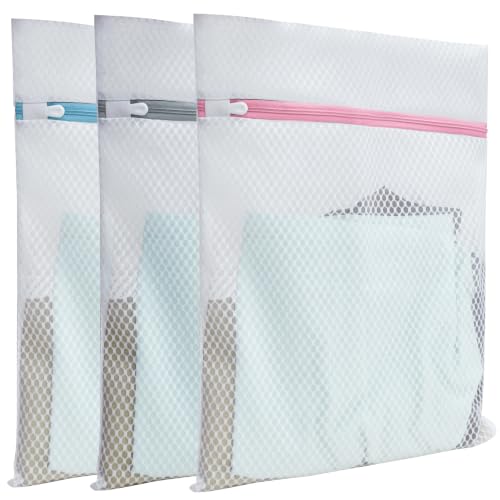
🎨3-Pack with Color-Coded Zippers: Each set includes 3 GEMLI laundry bags with distinct zipper colors—grey, pink, and blue—for easy identification and clothing separation during travel or laundry day
Sorting Clothes by Fabric Type
To further enhance the longevity of your clothes, it’s beneficial to sort them by fabric type when doing laundry. Here are some common fabric categories:
1. Cotton:
– Separate cotton garments from other fabrics as they tend to shed lint.
– Avoid washing them with synthetic materials as cotton can easily pick up static electricity.
2. Delicates:
– Delicate fabrics such as silk, lace, or lingerie should be washed separately.
– Consider using a mesh laundry bag or hand-washing these items for extra protection.
3. Denim:
– Jeans and denim clothing should be washed separately due to their potential for color bleeding.
– Turn denim inside out to minimize fading and preserve their appearance.
Remember that proper separation not only improves the cleanliness of your clothes but also extends their lifespan by reducing wear and tear caused by mixed loads.
Understanding common laundry symbols and their meanings
Laundry symbols may seem like mysterious hieroglyphics at first glance, but once understood, they provide valuable information about how to care for your garments. These symbols are typically found on clothing tags or instruction labels and indicate specific washing, drying, ironing, and bleaching instructions. Familiarizing yourself with these symbols will help you avoid accidental damage to your clothes and ensure they receive proper care.
Decoding Laundry Symbols
Here are some common laundry symbols and their meanings:
– Washing:
– A bucket filled with water indicates the item can be machine washed.
– The number inside the bucket represents the recommended maximum temperature.
– A hand in the bucket signifies that hand-washing is required.
– Drying:
– A square symbolizes the item can be tumble dried.
– Dots inside the square indicate drying heat levels: one dot for low, two for medium, and three for high heat.
– An empty circle means it should be air-dried.
– Ironing:
– An iron symbol with dots indicates the appropriate ironing temperature: one dot for low, two for medium, three for high heat.
– If there is a cross over the iron symbol, do not iron.
It’s essential to pay attention to these symbols when doing laundry to prevent shrinking, color fading, or damaging delicate fabrics. Keep a handy guide nearby until you become familiar with these symbols.
Remember that understanding laundry symbols helps you achieve optimal results while caring for different types of clothing.
Tips for choosing the right detergent and fabric softener
Choosing the right detergent and fabric softener is essential for maintaining the quality and longevity of your clothes. Here are some tips to help you make the best choices:
Recommended Products

DEEP CLEAN FOR SENSITIVE SKIN: Tide PODS Free & Gentle laundry detergent pacs provide a deep clean that is gentle on skin and clean better than the leading Free detergent pacs

DEEP CLEAN: Provides a deep clean that is gentle on skin and cleans better than the leading Free detergent pacs

Unscented, no fragrance, and hundred percent free of perfumes and dyes with concentrated cleaning power in a convenient pac
Detergent:
- Consider your clothing materials: Different fabrics require different care. Delicate fabrics like silk or wool may need a gentle detergent, while sturdy fabrics like cotton can handle a stronger detergent.
- Check for allergens: If you or your family members have sensitive skin, opt for a hypoallergenic detergent that is free from harsh chemicals or fragrances.
- Pick the right form: Detergents come in various forms such as liquid, powder, or pods. Choose one that suits your preference and washing machine requirements.
- Read product labels: Look for detergents that are specifically formulated for certain types of stains, such as grease or grass stains, if you frequently encounter them.
Fabric Softener:
- Consider fabric types: Similar to detergents, different fabrics may require specific fabric softeners. For example, softer fabrics like flannel may not need as much softening as rougher ones like denim.
- Scent preferences: Fabric softeners come in various scents. Choose one that aligns with your personal preference, keeping in mind any potential allergies or sensitivities.
- Avoid overuse: Using too much fabric softener can leave residue on clothes and reduce their absorbency. Follow the recommended dosage mentioned on the product packaging.
Remember to always follow the instructions provided by manufacturers to ensure optimal results and avoid any damage to your clothes.
Using a washing machine and setting the appropriate cycle
Using a washing machine efficiently not only saves time but also helps in preserving the quality of your clothes. Here are some guidelines to help you make the most out of your washing machine:
Recommended Products

Durable Honeycomb Mesh: Built to Last Crafted from premium 125GSM high-density honeycomb mesh, these bags resist stretching and tearing, offering superior durability over standard mesh laundry bags. This robust design ensures the bag will hold up through frequent washing while protecting your delicate items.

【Shoe Washing Machine Bag to Help Free Your Hands】The shoe washing bag is designed with mesh holes and fluffy fibers to clean your shoes 360° cocoon. Machine washing is cleaner than ordinary hand washing, more time-saving, more labor-saving, compared to brushes to brush your shoes, this shoe cleaning bag can protect your shoes and extend the service life. You only need to load the shoes into the shoe washing bag, throw it into the washing machine, a moment to get a pair of brand-new shoes
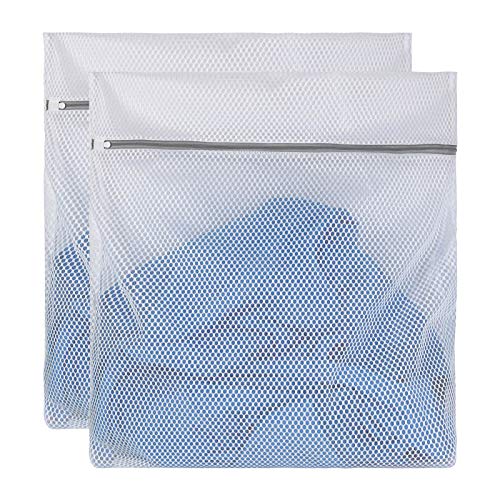
Package Included: Set of 2 wash bags. 2 XXL(24"x24") delicate laundry bags
Sorting Clothes:
Before loading your laundry into the washing machine, it is important to sort them based on color, fabric type, and level of dirtiness. This prevents color bleeding, damage to delicate fabrics, and ensures effective cleaning.
Sorting Tips:
- Separate whites from colored items to avoid color transfer.
- Categorize fabrics as delicate, normal, or heavy-duty for appropriate treatment.
- If heavily soiled items are present, pre-treat them before putting them in the washing machine.
Selecting the Right Cycle:
Different clothing items require different wash cycles for optimal cleaning. Familiarize yourself with the various cycles available on your washing machine and choose accordingly.
Common Wash Cycles:
- Normal/Cotton: Suitable for everyday clothing made of cotton or sturdy fabrics.
- Delicates/Gentle: Designed for delicate fabrics like silk or lace that need extra care.
- Quick Wash: Ideal for lightly soiled clothes that need a shorter cycle.
- Heavy Duty: Intended for heavily soiled items like workwear or sports attire.
Additional Considerations:
- Avoid overcrowding the washing machine as it can hinder proper cleaning and rinsing.
- Use cold water for colors to prevent fading and shrinkage. Hot water is suitable for white or heavily stained items.
- Regularly clean the washing machine drum and detergent dispenser to prevent buildup and maintain optimal performance.
By following these guidelines, you can ensure that your clothes are cleaned effectively while minimizing any potential damage.
Guidelines for drying and folding freshly laundered clothes
Properly drying and folding your freshly laundered clothes is essential for maintaining their appearance and minimizing wrinkles. Here are some guidelines to help you achieve the best results:
Drying Clothes:
- Check clothing labels: Always refer to the care labels on your clothes to determine the appropriate drying method. Some garments may require air drying or a delicate cycle rather than using a dryer.
- Separate fabrics: Avoid mixing heavy fabrics with lighter ones as uneven drying can occur. Separate them based on thickness and fabric type.
- Use appropriate heat settings: Adjust the heat settings on your dryer based on fabric sensitivity. High heat can cause shrinkage or damage, while low heat may prolong drying time.
Folding Techniques:
- T-shirts and tops: Fold them in half vertically, then fold the sleeves inward before folding in half horizontally.
- Pants and jeans: Fold them in half lengthwise, then fold one leg over another before folding in half again.
- Dresses and skirts: Hang dresses to avoid creasing, but if needed, fold them lengthwise once or twice before gently folding into thirds.
Additional Tips:
- Avoid leaving clothes in the dryer for an extended period to prevent wrinkles from setting in. Remove them promptly after the cycle ends.
- To reduce ironing needs, consider hanging certain garments directly after washing or using wrinkle-release sprays.
- Use drawer dividers or storage boxes to keep folded clothes organized and easily accessible in your wardrobe.
By following these guidelines for drying and folding, you can ensure that your clothes remain well-maintained and ready to wear.
Conclusion
In conclusion, knowing how to do your laundry is an essential life skill that can save you time, money, and ensure clean and fresh clothes. By following a few simple steps, you can efficiently tackle your laundry without much hassle.
Firstly, it is important to sort your laundry properly to prevent color bleeding and damage to delicate fabrics. Separating whites, darks, and delicates will help maintain the quality of your clothes. Additionally, reading and understanding the clothing labels for specific care instructions is crucial in order to avoid any mishaps during the washing process.
Secondly, choosing the appropriate detergent and understanding its dosage is essential for effective cleaning. Using too much detergent can leave residues on your clothes while using too little may not remove stains effectively. Adjusting the water temperature according to the fabric’s needs is also vital in achieving optimal results.
Lastly, drying methods should be considered based on the garment type. While some items can be air-dried to prevent shrinking or stretching, others might require a tumble dryer for convenience. It’s important to note that certain fabrics should not be exposed to direct sunlight as it may cause fading.
By following these guidelines and adopting good laundry practices, you can simplify this household chore and ensure that your clothes are cleaned properly every time.
Frequently Asked Questions about How Do I Do My Laundry
What is the best way to do laundry?
For durable and heavily soiled clothes, it is recommended to use the regular cycle, while the permanent press setting is suitable for normal loads. Delicate fabrics such as lace and loosely woven fabrics should be washed using the delicate cycle. White loads should be washed with hot water, average loads with warm water, and bright colors with cold water.
What is the basic principle of laundry?
Clothes laundering involves two main steps: removing dirt from the clothes and giving them a finished appearance to make them look clean and new again. The dirt on fabrics can be categorized into loose dirt that sits on the fabric and fixed dirt that is stuck due to grease. (Source: 24 Feb 2016)
Why is doing laundry important?
Frequently washing clothing and bedding helps eliminate bacteria, dirt, fleas, mites, and other irritants or infections. This practice can lower the occurrence of infectious diseases like diarrhea, respiratory infections, scabies, and various skin infections.
What are the 3 methods of washing clothes?
Typically, there are four washing methods that include: (a) using friction, (b) applying light pressure, (c) utilizing suction, and (d) using washing machines. The friction method is suitable for washing cotton cloth, curtains, and linens.
How many cycles of laundry?
Typically, most machines offer a regular cycle, a permanent press cycle, and a delicate cycle. Some machines also have a special hand wash cycle for very delicate items, as well as a bulky cycle for larger items like blankets or pillows.
How to remove stains from clothes?
First, apply a stain remover to the stained area and allow it to penetrate the fabric. Then, wash the garment following the care instructions provided. Typically, regular stains can be removed by washing in cold water, but for heavily soiled clothing or stubborn stains, use the highest safe temperature setting for the fabric. If the stain persists, repeat the process described above.