
Key Takeaways
- Importance of Cleaning: Regular cleaning of your Chefman electric kettle prevents harmful buildup that can affect both health and performance, ensuring a better-tasting beverage.
- Cleaning Supplies: Essential items for cleaning include white vinegar, baking soda, a soft sponge, a microfiber cloth, and an old toothbrush for reaching tight spots.
- Step-by-Step Process: Cleaning involves disassembling the kettle, using vinegar and water to dissolve mineral deposits, scrubbing stubborn stains, and wiping down the exterior for optimal hygiene.
- Maintenance Tips: Establish a regular cleaning schedule, use filtered water to minimize buildup, and immediately address spills to prevent staining and grime.
- Avoid Harsh Chemicals: Stick with non-abrasive cleaners to protect your kettle’s surface and ensure it continues to function properly without scratches.
Ever noticed a weird taste in your tea or coffee? It might be time to give your Chefman electric kettle a good clean. These handy appliances can accumulate mineral deposits and grime over time, affecting both flavor and performance.
Overview of Chefman Electric Kettle
The Chefman electric kettle offers convenience and speed for boiling water. It features a sleek design, comfortable handle, and various capacities, catering to different needs. The kettle’s automatic shut-off and boil-dry protection enhance safety, making it suitable for daily use.
The interior often faces mineral buildup from water. Regular cleaning maintains performance and prolongs the kettle’s lifespan. The exterior can also accumulate fingerprints and stains, impacting its appearance. A clean kettle not only looks better but also ensures your beverages taste their best.
Using your Chefman electric kettle is straightforward. Simply fill it with water, plug it in, and press the power button. The water heats quickly, often reaching boiling point in just a few minutes, ideal for tea, coffee, or instant meals.
Knowing how to clean the kettle effectively plays a vital role in maintaining its functionality. Utilize simple cleaning solutions and methods to ensure optimal performance and hygiene.
Why Cleaning is Important
Keeping your Chefman electric kettle clean is crucial for both health and performance. Regular cleaning prevents harmful buildup and ensures a pleasant experience when boiling water.
Health Benefits
A clean kettle reduces the risk of contamination. Mineral deposits, mold, and bacteria can thrive in a dirty kettle. These contaminants may affect the taste of your beverages and introduce harmful substances into your drinks. Cleaning your kettle regularly helps protect your health, letting you enjoy your tea or coffee without worry.
Performance Maintenance
Cleaning maintains your kettle’s efficiency. Deposits formed over time can hinder its heating ability, causing it to take longer to boil water. Regular cleaning prevents this buildup, ensuring your kettle operates at optimal performance. It also prolongs the kettle’s lifespan, saving you money on potential repairs or replacements. Take action now by adopting a consistent cleaning routine for your kettle.
Cleaning Supplies Needed
Gathering the right supplies makes cleaning your Chefman electric kettle easier. Here’s what you’ll need:
- White Vinegar: Use this natural cleaner to dissolve mineral deposits.
- Baking Soda: This helps tackle stubborn stains and odors.
- Water: Use both distilled and tap water for different cleaning purposes.
- Soft Sponge: Choose a non-abrasive sponge to prevent scratches on the kettle’s surface.
- Microfiber Cloth: Use this for drying and polishing the exterior.
- Toothbrush: An old toothbrush reaches tight spots and scrubs effectively.
Having these items on hand ensures you can clean your kettle quickly and efficiently.
Step-by-Step Cleaning Instructions
Cleaning your Chefman electric kettle is straightforward. Follow these steps for effective maintenance.
Recommended Products
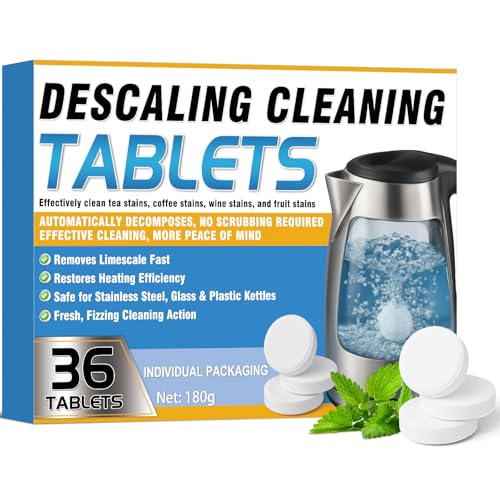
Powerful, Fast-Acting Descaling: Formulated with high-purity natural citric acid, our descaling tablets rapidly dissolve stubborn limescale, calcium deposits, and mineral buildup from the interior walls of your appliances. Simply drop in a tablet, fill with water, and let it work its magic—no strenuous scrubbing required. In just a few minutes, your electric kettle’s original heating efficiency will be fully restored.

𝑷𝒓𝒆𝒄𝒊𝒔𝒆 6 𝑶𝒏𝒆-𝑻𝒐𝒖𝒄𝒉 𝑷𝒓𝒆𝒔𝒆𝒕𝒔: Select from 6 temperature presets for tailored brewing, powered by STRIX thermostat technology for precise temperature control.

EFFECTIVE LIMESCALE REMOVER: This liquid citric acid solution breaks down stubborn limescale and mineral deposits, helping restore your kettle’s performance with every clean.
Disassembling the Kettle
- Unplug the kettle from the power source for safety.
- Remove the lid by gently pulling it up. This step exposes the interior.
- Detach the base by lifting it off the kettle, if applicable.
Cleaning the Interior
- Combine equal parts of white vinegar and water in the kettle. This combination helps dissolve mineral deposits.
- Fill the kettle halfway and boil it. Allow it to sit for 15-30 minutes post-boil.
- Empty the kettle and rinse it thoroughly with distilled water to remove any vinegar taste.
- For stubborn stains, sprinkle baking soda inside the kettle, add a little water, and scrub with a soft sponge. Rinse afterward with distilled water.
Cleaning the Exterior
- Use a damp microfiber cloth to wipe down the exterior of the kettle. This method keeps the surface free of grime.
- For tougher stains, moisten the cloth with a mixture of vinegar and water. Wipe and then dry with a clean cloth.
Reassembling the Kettle
- Ensure all parts are dry before reassembling.
- Replace the lid by pressing it down until it clicks into place.
- Reattach the base, aligning it properly with the kettle.
- Plug the kettle back into the power source, and it’s ready for use.
By following these steps, you maintain the kettle’s performance and ensure enjoyable beverages every time.
Tips for Maintaining Your Chefman Electric Kettle
- Use Filters: Use filtered or distilled water. This practice minimizes mineral buildup and keeps your kettle cleaner for longer.
- Regular Cleaning Schedule: Clean your kettle at least once a month. This ensures that mineral deposits and stains don’t accumulate, maintaining both performance and flavor.
- Immediate Attention: Clean any spills immediately. Wipe down the exterior with a damp cloth to prevent stains and grime, especially around the base and control panel.
- Avoid Harsh Cleaners: Use only non-abrasive cleaners. Harsh chemicals can damage the kettle’s surface and lead to scratches, which affect performance.
- Check Heating Element: Inspect the heating element regularly for buildups. If you see any deposits, address them promptly with a vinegar solution to ensure efficient heating.
- Store Properly: Store your kettle with the lid open when not in use. This allows moisture to escape and prevents mold growth inside.
- Avoid Overfilling: Do not fill the kettle beyond the maximum fill line. Overfilling can lead to spills and water reaching electrical components, which poses a safety risk.
- Use the Right Tools: Use soft sponges and microfiber cloths for cleaning. These materials won’t scratch the kettle’s interior or exterior while effectively removing stains.
- Descale When Necessary: If you notice a white film inside, it’s time to descale. Mix equal parts of vinegar and water, fill the kettle, boil, and let it sit for 15 minutes before rinsing thoroughly.
- Follow Manufacturer’s Instructions: Always refer to the manufacturer’s manual for specific maintenance guidelines. This ensures that you’re taking the right steps to extend your kettle’s life.
By following these tips, you can keep your Chefman electric kettle clean and in great condition, ensuring your beverages taste their best every time.
Conclusion
Keeping your Chefman electric kettle clean is key to enjoying the best flavors in your beverages. By following a regular cleaning routine and using the right supplies you can easily tackle any buildup and ensure your kettle remains in top shape.
Remember to use filtered or distilled water to minimize mineral deposits and address spills right away to keep the exterior looking great. With just a little effort you’ll not only prolong the life of your kettle but also enhance your daily tea or coffee experience.
So grab those cleaning supplies and give your kettle the care it deserves. You’ll be glad you did!
Frequently Asked Questions
How often should I clean my Chefman electric kettle?
To keep your Chefman electric kettle in top condition, aim to clean it every 1-2 weeks, or more frequently if you notice mineral buildup or stains. Regular cleaning helps maintain performance and ensures the best flavor in your beverages.
What supplies do I need to clean my kettle?
You’ll need white vinegar, baking soda, distilled and tap water, a non-abrasive sponge, a microfiber cloth, and an old toothbrush. These items make the cleaning process straightforward and effective.
Can mineral deposits affect the taste of my beverages?
Yes, mineral deposits can alter the taste of your tea or coffee. Regular cleaning helps prevent buildup, ensuring your drinks taste their best and are free from harmful substances.
What’s the best way to clean the interior of the kettle?
Mix equal parts of white vinegar and water, fill the kettle, and let it sit for about 30 minutes. Then, rinse thoroughly with distilled water to remove any residue and ensure cleanliness.
Is it safe to put my kettle in the dishwasher?
No, it’s not recommended to put your Chefman electric kettle in the dishwasher, as it can damage the electrical components. Instead, clean it manually using the recommended cleaning supplies and methods.
What should I do if I see stains on the kettle’s exterior?
For exterior stains, use a damp microfiber cloth with a vinegar-water mixture to gently scrub away discoloration. Avoid harsh cleaners that could scratch or damage the kettle’s finish.
How can I minimize mineral buildup in my kettle?
Use filtered or distilled water when boiling, and establish a consistent cleaning routine. This practice will significantly reduce mineral deposits and enhance the kettle’s functionality.
What is descaling, and how often should I do it?
Descaling is the process of removing mineral buildup from the kettle. Depending on the hardness of your water, you may need to descale every 1-3 months to maintain optimal performance.
