
Key Takeaways
- Regular Cleaning: Clean your stainless steel teapot after each use with mild soap and water to maintain its shine and prevent stains from setting in.
- Effective Cleaning Solutions: Utilize natural cleaners like baking soda and vinegar mixed with water for tackling tough stains and mineral deposits effectively.
- Identification of Stains: Understand common stains such as water spots, tannin marks, and mineral deposits to take proactive cleaning measures.
- Preventive Care: Establish routine cleaning habits and proper storage techniques to extend the lifespan and appearance of your teapot.
- Avoid Harsh Chemicals: Steer clear of abrasive scrubbers and harsh chemicals to preserve the finish of your stainless steel tea pot.
Ever noticed how your stainless steel teapot can lose its shine over time? If you’re like most people, you probably want to keep it looking as good as new. A clean teapot not only enhances your kitchen’s appeal but also ensures that your tea tastes fresh and delicious.
Understanding Stainless Steel Tea Pots
Stainless steel tea pots are popular in kitchens for their durability and resistance to rust. They retain heat well, ensuring your tea stays warm longer. Their sleek design complements various kitchen styles, making them a favorite among tea enthusiasts.
Maintaining the cleanliness of stainless steel tea pots is crucial. Over time, they can develop stains, fingerprints, and water spots. Regular cleaning not only maintains their appearance but also ensures the tea you brew tastes fresh.
When choosing a stainless steel teapot, look for options that are labeled as food-grade stainless steel. This type is safe for brewing and non-reactive, which means it won’t alter the flavor of your tea.
For cleaning, a simple mixture of baking soda and warm water works effectively. This solution can help remove stubborn stains without scratching the surface. A microfiber cloth is best for polishing the exterior and keeping it shiny.
If you notice any persistent discoloration, you might consider using a specialized stainless steel cleaner. Always follow the manufacturer’s guidelines to avoid damaging the pot.
Remember, avoiding harsh chemicals and abrasive scrubbers preserves the finish of your teapot. Regular maintenance helps extend its life and keeps it looking new.
Common Stains and Build-Up
Stainless steel teapots often encounter various stains and build-up that can diminish their appearance. Understanding these stains helps you maintain your teapot’s shine and function.
Recommended Products

A Must-Have Kitchen Essential – Clean & Revive is specially designed to remove tough, ingrained stains from tea cups, coffee mugs, teapots, and flasks. Say goodbye to stains that dishwashers leave behind and restore your items to a like-new shine!

Cleans, polishes & protects stainless steel: Our stainless steel cleaner for appliances, which won a 2026 Good Housekeeping Cleaning Award, helps clean delicate, hard-to-clean surfaces. This appliance cleaner removes grease, fingerprints, water spots and residue while restoring a polished, like-new shine.
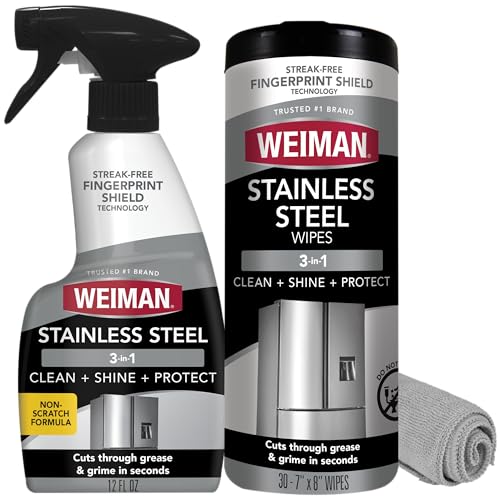
Cleans, polishes & protects stainless steel: Our stainless steel cleaner for appliances removes fingerprints, grease, residue, and water spots. This kit includes spray, which won a 2026 Good Housekeeping Cleaning Award, cloth & appliance wipes that leave a streak-free shine and a protective barrier that helps prevent future smudges.
Factors Contributing to Stains
- Mineral Deposits: Hard water leaves mineral deposits on the surface. These deposits can appear as white spots and affect the teapot’s aesthetics.
- Tea Residue: Over time, brewed tea can leave behind tannin stains, especially if the teapot isn’t cleaned promptly after use.
- Oil and Grease: Any oily substances, such as spilled tea or fingerprints, contribute to a greasy film on the stainless steel surface.
- Environmental Factors: Humidity and exposure to air can lead to oxidation and discoloration, making regular cleaning essential.
Types of Stains
- Water Spots: Caused by leftover water droplets, these show as circular marks. They occur when water evaporates, leaving minerals behind.
- Tannin Stains: These brownish marks develop when tea is left in the pot for too long. They’re more common in light-colored teas.
- Scratches and Scuff Marks: These can result from abrasive cleaning tools or improper storage. They disrupt the smooth surface and catch dirt.
- Rust Spots: While stainless steel is rust-resistant, flawed materials or scratches can lead to rusting. Regular checks can help you catch and clean these early.
By identifying these common stains and their causes, you can take proactive steps to ensure your stainless steel teapot stays in top condition.
Cleaning Methods
Several effective methods exist for cleaning stainless steel teapots. Each method addresses specific types of stains and build-up, ensuring your teapot remains shiny and functional.
Recommended Products
Water-based formula with foaming action won't drip

#1 Selling Stainless Steel Brand - The best selling & most trusted stainless steel cleaning product

Powder cleanser for stainless and aluminum cookware
Mild Soap and Water
Using mild soap and warm water works well for regular maintenance. Fill your sink with warm water and add a few drops of dish soap. Submerge the teapot and use a soft sponge to scrub the surfaces. Rinse thoroughly with clean water to remove any soap residue. Dry it immediately with a microfiber cloth to prevent water spots.
Baking Soda Solution
Baking soda serves as an excellent natural cleaner for stubborn stains. Mix three tablespoons of baking soda with one cup of warm water to form a paste. Apply this paste with a soft sponge to stained areas, scrubbing gently in circular motions. Rinse well with warm water and dry with a cloth. For tough stains, let the paste sit for about 15 minutes before rinsing.
Vinegar and Water Mix
A vinegar and water mix effectively tackles hard water stains and mineral deposits. Combine equal parts of white vinegar and water in a spray bottle. Spray the solution onto the teapot, focusing on areas with residue or discoloration. Allow it to sit for a few minutes before wiping with a soft cloth. Rinse with clean water to eliminate any vinegar scent.
Implementing these cleaning methods keeps your stainless steel teapot looking new and enhances your tea brewing experience.
Preventive Care for Stainless Steel Tea Pots
Maintaining the shine of your stainless steel teapot requires simple preventive measures. Regular practices can significantly prolong its life and keep it looking great.
Regular Cleaning Habits
Establish a routine for cleaning your teapot. Clean it after every use with warm, soapy water. Rinse thoroughly to remove any soap residue.
Wipe down the exterior with a microfiber cloth. This practice prevents fingerprints and water spots from building up. For deeper stains, use a baking soda paste. Mix two tablespoons of baking soda with a small amount of water, apply it to the stain, and gently scrub with a soft sponge. Rinse and dry immediately.
Proper Storage Techniques
Store your teapot in a dry place to avoid moisture buildup. If possible, keep it covered to prevent dust accumulation. Avoid stacking other items on top, as this can lead to scratches.
Consider placing a cloth or soft liner around it if you’re storing it with other kitchen items. This cushions the teapot and protects its surface from scratches and scuffs.
Implementing these preventive care methods enhances the overall longevity of your stainless steel teapot.
Conclusion
Keeping your stainless steel teapot clean and shiny is easier than you might think. By incorporating regular cleaning habits and using the right methods, you can ensure your teapot remains a beautiful centerpiece in your kitchen.
Remember to tackle stains as soon as they appear and use gentle products to avoid damaging the finish. With a little effort, your teapot can continue to brew delicious tea while looking brand new.
So grab that microfiber cloth and baking soda and enjoy the process of maintaining your beloved teapot. You’ll appreciate the fresh taste of your tea even more when you know your teapot is in top shape. Happy brewing!
Frequently Asked Questions
Why do stainless steel teapots lose their shine over time?
Stainless steel teapots can lose their shine due to common factors like mineral deposits from hard water, tea residue, oil, grease, and exposure to humidity. These elements can create stains and dullness, affecting both appearance and performance.
How can I clean my stainless steel teapot effectively?
For regular cleaning, use mild soap and warm water. For tougher stains, a baking soda paste or a vinegar-water mix can help eliminate build-up. Always polish with a microfiber cloth to maintain its shine and avoid harsh chemicals.
What should I avoid while cleaning my teapot?
Avoid abrasive scrubbers and harsh chemicals, as these can scratch the surface and damage the finish of your stainless steel teapot. Stick to gentle materials and food-safe products for the best results.
How can I prevent staining on my teapot?
To prevent stains, clean your teapot after each use with warm, soapy water. Wipe the exterior with a microfiber cloth to avoid fingerprints and water spots. Proper storage and covering when not in use can also mitigate dust and scratches.
What are the common types of stains on stainless steel teapots?
Common stains include water spots, tannin stains from tea, scratches, scuff marks, and rust spots. Understanding these stains helps you identify the best cleaning methods to restore your teapot’s appearance.
How does regular maintenance benefit my teapot?
Regular maintenance not only keeps your teapot looking new but also extends its lifespan. A well-maintained teapot enhances the taste and freshness of your tea, providing a better overall brewing experience.
