
Key Takeaways
- Health Benefits: Regular cleaning of kitchen walls and cabinets reduces germs and improves air quality, helping to prevent foodborne illnesses and promoting a healthier cooking environment.
- Aesthetic Appeal: Clean surfaces enhance the look of your kitchen, creating an inviting atmosphere and potentially increasing your home’s resale value.
- Practical Advantages: Maintaining cleanliness prevents long-term damage from stains and moisture, simplifying future cleaning tasks and avoiding costly repairs.
- Essential Supplies: Use the right cleaning supplies, such as all-purpose cleaners, vinegar, and microfiber cloths, for effective and efficient cleaning.
- Step-by-Step Cleaning: Follow tailored cleaning techniques for different wall and cabinet materials to achieve optimal results and maintain the beauty of your kitchen.
- Maintenance Tips: Regular wipe-downs, immediate spot cleaning, and good ventilation are key to keeping your kitchen walls and cabinets clean and in good condition.
Ever looked at your kitchen walls and cabinets and thought they could use a little TLC? Grease splatters and food stains can build up over time, making your once sparkling kitchen feel dull and uninviting. You’re not alone—many people struggle to keep these surfaces clean and fresh.
Importance Of Cleaning Kitchen Walls And Cabinets
Cleaning kitchen walls and cabinets is crucial for maintaining a healthy and inviting cooking environment. Grease splatters and food stains not only mar the aesthetic appeal but also create an ideal breeding ground for bacteria.
Health Benefits
- Reduces Germs: Regular cleaning minimizes the risk of foodborne illnesses caused by bacteria like Salmonella and E. coli.
- Improves Air Quality: Dust and grime buildup can contribute to poor indoor air quality. Clean surfaces help keep your kitchen fresh and breathable.
Aesthetic Appeal
- Enhances Look: Sparkling clean walls and cabinets bring a bright, fresh ambiance to your kitchen space. It transforms your cooking area into a welcoming environment.
- Increases Home Value: A well-maintained kitchen can boost your home’s resale value. Prospective buyers appreciate cleanliness and attention to detail.
Practical Advantages
- Prevents Damage: Regular cleaning can prevent long-term damage from stains and moisture. Build-up can cause paint peeling or wood deterioration, leading to costly repairs.
- Simplifies Cleaning: Consistent maintenance makes deep-cleaning tasks easier in the long run. Dirt and grime are easier to eliminate when cleaned frequently.
Focus on cleaning kitchen walls and cabinets regularly to enjoy a healthier, visually appealing space that adds value to your home.
Essential Supplies For Cleaning
Gathering the right supplies makes cleaning kitchen walls and cabinets efficient and effective. Here’s a list of everything you’ll need.
Recommended Products

CLEAN, ECO-FRIENDLY & NON-TOXIC: Clean Revolution delivers premium, eco-friendly cleaning products made with real essential oils and ingredients that are less toxic and better for the environment. Multi-Surface Cleaner spray bottle sold separately.
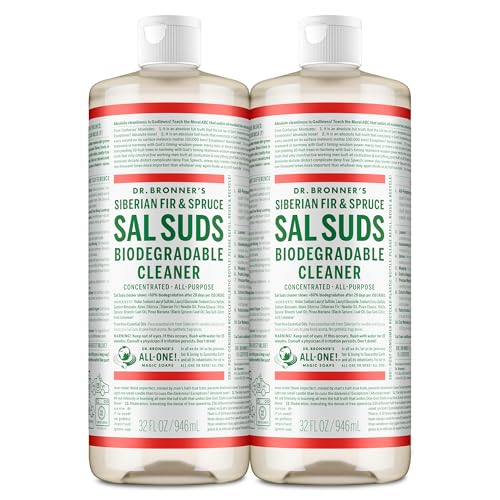
POWERFUL ALL-PURPOSE CLEANER: A concentrated multi-surface cleaner that cuts grime and dirt with ease. Use as a mop detergent, kitchen cleaner, bathroom cleaner, or laundry detergent. Safe for floors and hard surfaces throughout your home

FOAM JEWELRY CLEANSER: High-efficiency cleaning formula quickly melts away dirt and grime and cleans with brilliant foaming action, cleansing all types of jewelry, from gold, silver, and platinum to precious stones, costume jewelry, watches, and more
Cleaning Solutions
- All-Purpose Cleaner: Choose a non-toxic, biodegradable cleaner that cuts through grease and grime. Look for eco-friendly options, especially if you prefer less harsh chemicals.
- Vinegar: Use white vinegar as a natural disinfectant. It works well for both cleaning and deodorizing surfaces. Mix it with water in a spray bottle for a simple solution.
- Baking Soda: Baking soda acts as a gentle abrasive. You can create a paste with water for stubborn stains. Apply it, let it sit, then wipe clean.
- Dish Soap: Select a mild dish soap for regular cleaning tasks. It’s safe on most surfaces and helps remove oily residues effectively.
Tools Required
- Microfiber Cloths: Use these for wiping down surfaces. They capture dust and grease without scratching the finish.
- Sponge or Scrub Brush: Choose a soft sponge or a scrub brush for tougher stains. Ensure they don’t contain abrasive materials that might damage cabinetry.
- Spray Bottle: Invest in a reusable spray bottle to mix and store your cleaning solutions. It offers easy application and control.
- Bucket: Keep a bucket handy for rinsing cloths or for larger cleaning jobs.
- Step Stool: Grab a sturdy step stool for reaching high cabinets or difficult spots. Safety first!
Having these supplies ready makes the cleaning process smoother. The right products and tools help maintain a clean and welcoming kitchen environment.
Step-By-Step Guide To Clean Kitchen Walls
Cleaning kitchen walls can refresh your space and enhance its appearance. Follow these steps for effective results.
Recommended Products
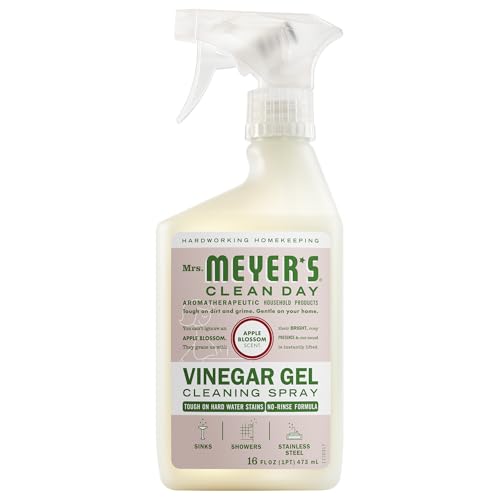
Mrs. Meyer's Vinegar Gel Cleaning Spray not only breaks down everyday grime, but also lifts dirt from surfaces leaving a cleaner surface
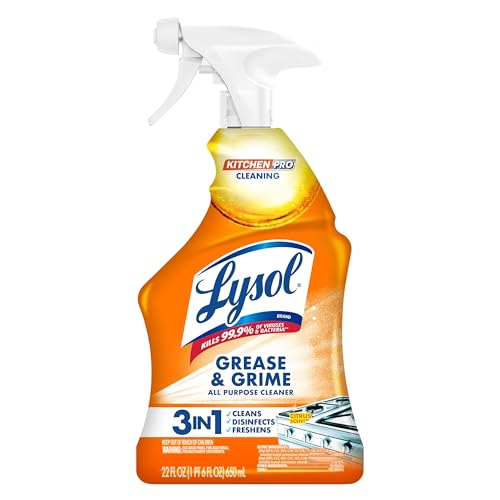
ELIMINATES 99.9% OF KITCHEN VIRUSES AND BACTERIA INCLUDNG SALMONELLA AND E.COLI: Lysol Pro Kitchen Cleaner is tested and proven to eliminate 99.9% of viruses and bacteria* (when used as directed). EPA Reg #777-91.

Mrs. Meyer’s Vinegar Gel Cleaning Spray not only breaks down everyday grime, but also lifts dirt from surfaces leaving a cleaner surface to make your bathroom look spotless
Preparing The Area
- Clear Surfaces: Move any items from countertops, tables, or shelves to provide easy access to the walls.
- Cover Nearby Items: Use drop cloths or old sheets to protect cooking utensils and appliances from cleaning solutions and dust.
- Gather Supplies: Ensure you have all necessary cleaning supplies within reach to streamline the process.
Cleaning Different Types Of Wall Surfaces
- Painted Walls:
- Mix warm water with a few drops of mild dish soap.
- Use a soft sponge to gently wipe down the surface.
- Rinse with clean water and dry with a microfiber cloth.
- Tile Walls:
- Use a solution of equal parts white vinegar and water.
- Spray the solution on tiles and grout, letting it sit for a few minutes.
- Scrub with a soft-bristled brush and rinse with clean water.
- Vinyl Walls:
- Prepare a mixture of warm water and baking soda.
- Apply the mixture with a sponge in a circular motion.
- Wipe clean with a damp cloth, then dry thoroughly.
- Wood Paneling:
- Dip a clean cloth in a mixture of mild soap and water.
- Wipe the walls carefully to avoid water damage.
- Dry immediately with another cloth to prevent moisture buildup.
- Stainless Steel Walls:
- Spray a specialized stainless steel cleaner onto the surface.
- Wipe in the direction of the grain with a soft cloth for a streak-free finish.
Following these steps helps maintain clean kitchen walls, improving both your cooking environment and home aesthetics.
Step-By-Step Guide To Clean Kitchen Cabinets
Cleaning kitchen cabinets requires a structured approach to ensure thoroughness and effectiveness. Follow these steps to achieve pristine cabinets.
Removing Contents And Hardware
- Empty the Cabinets: Start by taking out all items stored in each cabinet. Place them on your countertop or table for easy access.
- Remove Hardware: Unscrew or pull off handles and knobs. This step helps you clean every surface without obstruction.
- Organize Items: While emptying, take note of what you have. Sort items by type and check for expired products or unused tools. Discard anything unnecessary.
Cleaning Techniques For Various Cabinet Materials
- Wood Cabinets:
- Mix a few drops of mild dish soap with warm water.
- Use a soft cloth or sponge to wipe down surfaces.
- Rinse with a damp cloth, then dry with a clean towel to avoid water damage.
- Laminate Cabinets:
- Combine equal parts of vinegar and water in a spray bottle.
- Spray and wipe with a microfiber cloth.
- For tough stains, use a paste of baking soda and water, applying gently with a soft sponge.
- Painted Cabinets:
- Apply a mild all-purpose cleaner directly onto the surface.
- Wipe with a soft cloth.
- For grease buildup, mix baking soda with water to form a paste; apply gently, then rinse.
- Metal Cabinets:
- Use a mixture of soap and warm water.
- Scrub with a non-abrasive sponge.
- Rinse with water and dry immediately to prevent rust or water marks.
- Glass-Covered Cabinets:
- Use a glass cleaner or a vinegar-water solution.
- Spray and wipe with a squeegee or paper towel.
- Ensure no streaks are left for a clear, polished look.
Follow these guidelines to clean your kitchen cabinets effectively, promoting a healthier and more attractive cooking space.
Tips For Maintaining Clean Kitchen Walls And Cabinets
Regular Wipe-Downs
Wipe down your kitchen walls and cabinets weekly. Use an all-purpose cleaner or a vinegar-water solution. This quick task prevents the buildup of stains and grease.
Use Proper Tools
Microfiber cloths capture dust and grime effectively. Soft sponges work well for stubborn spots without scratching surfaces. Having the right tools simplifies the cleaning process.
Spot Clean Immediately
Address spills and splatters as soon as they occur. The longer stains sit, the harder they are to remove. Keep a designated cleaning cloth nearby for fast action.
Seal Surfaces
Consider applying a sealant on wooden cabinets after cleaning. Sealants provide an extra layer of protection against moisture and stains, extending the life of your cabinets.
Avoid Harsh Chemicals
Stick to mild cleaning products. Harsh chemicals can damage surfaces and release harmful fumes. Opt for natural solutions like baking soda for tough stains.
Organize Regularly
Keep items in cabinets organized. Regularly declutter and remove anything unnecessary. An organized space is easier to clean and maintain.
Inspect for Damage
Check both walls and cabinets for signs of wear. Small issues, like chips or cracks, can worsen over time. Address any damage promptly to avoid costly repairs.
Maintain Good Ventilation
Ensure proper ventilation in your kitchen. Good airflow reduces moisture and helps prevent mold growth on walls and cabinets. Open windows or use exhaust fans while cooking.
Schedule Deep Cleaning
Schedule a deep cleaning every 3 to 6 months. This thorough cleaning approach keeps your kitchen in top shape. Use this time to clear out cabinets and clean all surfaces meticulously.
Educate Family Members
Involve everyone in kitchen maintenance. Teach family members the importance of cleaning up after themselves. Team effort ensures a consistently neat kitchen.
Conclusion
Keeping your kitchen walls and cabinets clean isn’t just about looks; it’s about creating a healthy space for you and your family. With the right supplies and a few simple steps, you can transform your kitchen into a bright and inviting area.
Regular cleaning and maintenance will save you time in the long run and help prevent any lasting damage. Plus, involving your family can make it a fun activity. So grab your cleaning supplies and get started on making your kitchen shine. You’ll love the fresh feel and the boost in your home’s appeal. Happy cleaning!
Frequently Asked Questions
How often should I clean my kitchen walls and cabinets?
Regular cleaning of kitchen walls and cabinets should be done every 3 to 6 months. However, you should also clean them more frequently if you notice grease, stains, or spills to maintain a fresh and inviting cooking environment.
What supplies do I need to clean my kitchen walls and cabinets?
Essential supplies include an all-purpose cleaner, white vinegar, baking soda, mild dish soap, microfiber cloths, a soft sponge or scrub brush, a reusable spray bottle, a bucket, and a sturdy step stool.
What are the benefits of cleaning kitchen surfaces regularly?
Regular cleaning reduces germs, improves air quality, enhances the kitchen’s aesthetic appeal, increases home value, prevents long-term damage, and simplifies future cleaning tasks.
How do I clean different types of kitchen wall surfaces?
For painted walls, use a mild detergent; for tile, a vinegar solution is effective; vinyl walls can be wiped with warm soapy water; wood paneling requires a gentle cleaner, and stainless steel should be cleaned with a specialized cleaner to avoid streaks.
What is the best way to clean kitchen cabinets?
Start by removing all contents and hardware. Use the appropriate cleaner for your cabinet material—wood can use a mild soap solution, laminate and painted surfaces can be wiped with a damp cloth, while metal and glass can be cleaned with glass cleaner.
How can I maintain clean kitchen cabinets?
To maintain clean cabinets, perform regular wipe-downs, spot clean spills promptly, use proper tools, apply sealants on wooden cabinets, and keep them organized to make cleaning easier. Regular inspections for damage are also essential.
Is it necessary to involve family members in kitchen cleaning?
Yes, involving family members in kitchen cleaning fosters a team effort in maintaining a clean space. It makes the task more manageable, teaches responsibility, and encourages everyone to keep the kitchen inviting and organized.
Why should I avoid harsh chemicals when cleaning?
Harsh chemicals can damage surfaces, release harmful fumes, and pose health risks. Instead, using mild, natural cleaners ensures a safer cleaning process while effectively removing stains and maintaining a healthy kitchen environment.
