
Key Takeaways
- Importance of Regular Cleaning: Keeping kitchen fan filters clean is essential for maintaining air quality, preventing fire hazards, and improving appliance longevity.
- Tools and Solutions Needed: Use basic cleaning supplies such as mild dish soap, baking soda, white vinegar, and appropriate scrubbing tools to effectively clean filters.
- Step-by-Step Cleaning Guide: Follow a simple process of removing, soaking, scrubbing, rinsing, and drying filters to achieve optimal cleanliness.
- Establish a Cleaning Schedule: Aim to clean filters every one to three months based on cooking frequency to prevent heavy grease buildup.
- Periodic Inspections: Regularly check the filters for dirt and grease accumulation, allowing for easier maintenance and performance optimization.
- Consider Upgrading Filters: If existing filters are worn out, upgrade to more efficient options to enhance air quality and reduce future cleaning efforts.
Ever looked up at your kitchen fan and noticed a layer of grease and grime? You’re not alone. Many people forget about cleaning their fan filter until it’s too late, and that can lead to poor air quality and even fire hazards.
Importance Of Cleaning Kitchen Fan Filters
Cleaning kitchen fan filters plays a crucial role in maintaining a healthy cooking environment. Filters trap grease, smoke, and particulates, which can compromise air quality over time. Regularly cleaning these filters ensures a fresher kitchen atmosphere.
Cleaning prevents grease buildup that can lead to fire hazards. When grease accumulates, it increases the risk of ignition. Ensuring your filters are clean reduces this danger significantly.
Clean filters improve the efficiency of your kitchen exhaust fan. Clogged filters force the fan to work harder, expending more energy. A clean filter allows for better airflow, potentially reducing energy costs.
Maintaining your fan filters also contributes to better appliance longevity. Neglecting them can lead to fan burnout, requiring costly repairs or replacements. You can prolong the lifespan of your appliances through regular maintenance.
Performing routine checks on your filters can reveal other kitchen issues. When you clean your filters, you can identify any leaks or damage that may require attention. Being proactive saves you from more extensive repairs down the line.
In short, cleaning your kitchen fan filters is essential. It keeps your kitchen air healthy, reduces fire risks, improves efficiency, and extends the lifespan of your appliances.
Tools Required For Cleaning
Cleaning your kitchen fan filter properly requires some basic tools and solutions. Gathering the right items in advance makes the process smoother and more effective.
Recommended Products
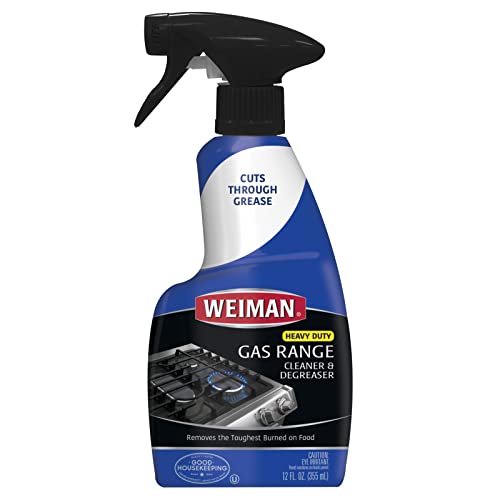
Powerful Gas Range Cleaner & Degreaser: Dissolves cooked-on, stubborn splatter, grease and food messes and gives your gas range a sleek shine

GREASE CHARCOAL FILTER COMBO: This charcoal grease filter combo will protect your hood from grease while at the same time filtering out odors through its activated charcoal layer.

GREASE CHARCOAL FILTER COMBO: This charcoal grease filter combo will protect your hood from grease while at the same time filtering out odors through its activated charcoal layer.
Recommended Cleaning Solutions
- Dish Soap: Use a mild dish soap to help cut through grease effectively. Choose a non-toxic option for safety.
- Baking Soda: Baking soda acts as a gentle abrasive and helps eliminate stubborn grime. It also neutralizes odors.
- White Vinegar: White vinegar is a natural degreaser. It works well to lift grease and disinfect surfaces.
- Commercial Degreasers: If stubborn grime persists, consider a specialized commercial degreaser. Follow the manufacturer’s instructions for effective use.
Cleaning Equipment Needed
- Scrub Brush: A soft-bristled scrub brush helps dislodge grease without damaging the filter.
- Sponge: A non-abrasive sponge allows for gentle scrubbing on delicate surfaces.
- Bucket: A bucket holds the warm, soapy water you’ll use for soaking the filter.
- Dish Cloth: A clean dish cloth comes in handy for drying the filter after cleaning.
- Rubber Gloves: Gloves protect your hands from grease and cleaning solutions. Choose a comfortable, durable pair.
Gather this equipment before starting the cleaning process to enhance efficiency and ensure a thorough clean.
Step-By-Step Guide On How To Clean Kitchen Fan Filter
Cleaning your kitchen fan filter is straightforward and essential for maintaining a healthy cooking environment. Follow these steps for an effective clean.
Removing The Filter
- Turn off the fan. Ensure the fan is completely off and cool before starting.
- Locate the filter. Identify how the filter attaches to the fan—some slide out while others may have clips.
- Gently remove the filter. Use caution to avoid bending or damaging it.
Soaking The Filter
- Prepare a cleaning solution. Fill a bucket with warm water and add a few drops of mild dish soap, or 1 cup of white vinegar for stubborn grease.
- Submerge the filter. Place the filter in the solution and let it soak for about 10-15 minutes.
Scrubbing The Filter
- Grab your scrubbing tools. Use a soft-bristled scrub brush or non-abrasive sponge to prevent scratches.
- Scrub away grime. Focus on areas with visible grease. Make sure to clean both sides thoroughly.
- Rinse. Once scrubbed, rinse the filter under warm running water to remove soap and loosened debris.
Rinsing And Drying
- Inspect the filter. Check to ensure all grease is gone. Repeat scrubbing if necessary.
- Rinse again. Use clean water to eliminate any remaining cleaning solution.
- Dry properly. Pat the filter with a dish cloth or allow it to air dry completely before reattaching.
Keeping your kitchen fan filter clean ensures better air quality and improved fan performance. Regular checks and cleanings enhance the lifespan of your appliances.
Tips For Maintaining Clean Filters
- Establish a Cleaning Schedule: Clean kitchen fan filters every one to three months, depending on cooking frequency. Regular attention prevents heavy grease buildup.
- Use Filter Covers: Install washable filter covers designed to trap grease. These covers can be easily removed and cleaned, enhancing filter longevity.
- Check Filters Periodically: Inspect filters every few weeks for signs of dirt and grease. Early detection of buildup makes cleaning easier and maintains performance.
- Choose the Right Cleaning Method: For light buildup, soapy water suffices. For heavy grease, consider using a vinegar solution or commercial degreasers to ensure thorough cleaning.
- Soak Filters Properly: When cleaning, allow filters to soak in hot, soapy water for 15-30 minutes. This helps to loosen stubborn grease and grime.
- Dry Filters Thoroughly: After rinsing, air-dry filters completely before reinstallation. Moisture can promote mold growth and reduce airflow efficiency.
- Consider Upgrading Filters: If your filters show significant wear and tear, explore better options. Upgrading to more efficient filters can enhance air quality and reduce cleaning frequency.
By incorporating these practices, you maintain clean filters effectively, ensuring a healthier kitchen environment and improved exhaust fan performance.
Conclusion
Keeping your kitchen fan filter clean is a simple yet vital task that can make a big difference in your cooking environment. By establishing a regular cleaning routine and using the right tools, you can ensure better air quality and reduce fire risks. Not only will this help your fan run more efficiently but it’ll also save you money on energy costs and repairs down the line.
So grab those cleaning supplies and make filter maintenance a part of your kitchen care routine. Your kitchen will thank you for it!
Frequently Asked Questions
Why is it important to clean kitchen fan filters?
Cleaning kitchen fan filters is essential for maintaining good air quality and reducing fire hazards. Filters trap grease, smoke, and particulates that can compromise air quality and increase the risk of ignition. Regular cleaning also improves the efficiency of the exhaust fan, lowers energy costs, and prolongs the lifespan of your kitchen appliances.
How often should I clean my kitchen fan filters?
It’s recommended to clean kitchen fan filters every one to three months, depending on how often you cook. More frequent cooking typically means more grease buildup, which necessitates a more regular cleaning schedule to maintain air quality and safety.
What tools do I need to clean kitchen fan filters?
To effectively clean kitchen fan filters, gather mild dish soap, baking soda, white vinegar, or commercial degreasers. You’ll also need a soft-bristled scrub brush, a non-abrasive sponge, a bucket for soaking, a dish cloth for drying, and rubber gloves to protect your hands.
How do I clean kitchen fan filters?
Start by removing the filter from the fan. Soak it in a cleaning solution for 15-30 minutes, then scrub away any grime with a soft brush or sponge. Rinse thoroughly and ensure the filter is completely dry before reattaching it to avoid mold growth.
What methods can I use for tough grease buildup?
For tough grease buildup, soak the filter in hot, soapy water for 15-30 minutes. You can also use a commercial degreaser or a mixture of vinegar and baking soda for extra cleaning power. Always make sure to rinse and dry thoroughly after soaking to prevent moisture issues.
Can I use washable filters in my kitchen?
Yes, using washable filter covers is a great way to trap grease and dirt. They can be removed and cleaned regularly, which helps to maintain air quality and prolong the life of the exhaust fan. Ensure to follow the manufacturer’s instructions for washing.
What signs indicate it’s time to replace my kitchen fan filter?
If your kitchen fan filter shows significant wear and tear, such as cracks or excessive grease buildup that can’t be cleaned, it’s time for a replacement. A clogged or damaged filter will not only be less effective but may also lead to increased fire risks.
