
Key Takeaways
- Health and Aesthetics: Regular dusting improves indoor air quality by reducing allergens and enhances the visual appeal of your kitchen.
- Cabinet Longevity: Consistent cleaning helps protect your cabinetry’s finish and materials, extending their lifespan.
- Effective Tools: Use appropriate cleaning solutions like all-purpose cleaners and microfiber cloths alongside tools such as dusters and step stools for a thorough clean.
- Step-by-Step Cleaning: Follow a systematic approach: prepare the area, dust high surfaces first, wipe down, polish wooden cabinets, and clean up the surrounding area.
- Maintenance Routine: Establish a monthly dusting routine and keep your cleaning supplies handy to make maintenance easier and encourage good habits.
- Involve Family: Make dusting a shared household responsibility to ensure comprehensive coverage and make the task more enjoyable.
Ever looked up at your kitchen cabinets and thought, “Wow, that’s a lot of dust!”? You’re not alone. Those hard-to-reach spots can collect grime over time, making your kitchen feel less inviting.
Importance Of Dusting Kitchen Cabinets
Dusting kitchen cabinets plays a crucial role in maintaining a clean and inviting cooking space. Dust accumulation can lead to several issues.
Health Benefits
Dust particles often contain allergens and germs. Regular dusting minimizes these health risks, promoting a healthier environment for you and your family.
Aesthetic Appeal
Clean cabinets enhance the overall look of your kitchen. Dusty cabinets can create a cluttered appearance, detracting from your kitchen’s design. Keeping them dust-free preserves that inviting atmosphere.
Prolonging Cabinet Lifespan
Dust can accumulate in crevices, leading to deterioration over time. By regularly removing dust, you protect the finish and materials of your cabinets, extending their lifespan.
Preventing Residue Buildup
Dust mixed with moisture can result in sticky residue or grime. Regular cleaning prevents this buildup, making for easier maintenance in the long run.
Encouraging Good Habits
Consistently dusting cabinets cultivates better cleaning habits. It encourages you to engage in regular kitchen maintenance, ultimately resulting in a cleaner home.
Dusting kitchen cabinets isn’t just about appearance; it boosts health, preserves longevity, and cultivates good habits. Taking these steps ensures your kitchen remains a welcoming space.
Tools And Supplies Needed
Gathering the right tools and supplies makes cleaning dust from kitchen cabinets easier and more effective. You’ll need a few essential items to get started.
Recommended Products
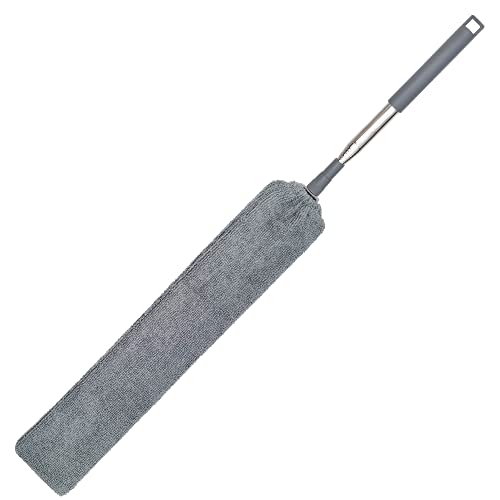
EXTENDABLE: Our duster has extension pole which can extend from 26 to 55 inches, made of stainless steel, rustproof. You can easily clean any narrow areas where can not be clean with normal mops.

KIT INCLUDES 3 ft handle and 3 duster refills. To assemble, connect the poles together, then slide the Duster onto the handle. Fluff up your Dusters by shaking the handle, then pluck the strips to fluff more. Once fluffy, extend your pole, and you’re ready to conquer dust. It’s that easy!

Extendable Long Pole: Please refer to the image 2, correctly fit the screw part into the extension pole to connect the duster head and handle first, and then you can extend the length of duster pole from 30 to 100 inches to clean the dust easily
Cleaning Solutions
Use appropriate cleaning solutions to cut through dust and grime effectively.
- All-Purpose Cleaner: Suitable for most cabinet finishes, an all-purpose cleaner easily removes dust and residue.
- Vinegar and Water Mix: A mixture of equal parts vinegar and water serves as a natural cleaner that’s safe for various surfaces.
- Furniture Polish: For wooden cabinets, furniture polish adds shine while protecting the wood from scratches.
Cleaning Tools
Using the correct cleaning tools enhances your efficiency.
- Microfiber Cloths: These are soft and absorbent, making them excellent for trapping dust without scratching surfaces.
- Duster with Extension Handle: A duster with an extendable handle helps reach high cabinet tops without a ladder.
- Step Stool or Ladder: Use a step stool or ladder for safe access to higher areas, ensuring you can clean thoroughly.
Equipping yourself with these tools and supplies sets the stage for a successful dusting session on your kitchen cabinets.
Step-By-Step Guide On How To Clean Dust From Top Of Kitchen Cabinets
Cleaning the dust from the top of kitchen cabinets can be simple and satisfying. Follow these steps for a thorough clean.
Recommended Products

Gap Duster Cleaner Long Pole:The Length of the dust brush handle is adjustable can extend from 36" to 55", Made of stainless steel ,sturdy and durable.which accommodates different heights and cleaning tasks. Retractable gap dust cleaner are ideal for kitchens, laundry rooms and garages.

Kit includes: 1 Extendable Handle, 1 Reusable Duster, 3 Disposable Dusters, and 1 Storage Bag

【Feather Duster Set】:This household dusting tools 11pcs include 1 stainless steel Telescopic pole, 1 hangable handle short pole, 2 bendable microfiber duster head, 1 chenille duster head, 1 crevice Brush, 1 replacement crevice brush cloth, 1 cobweb duster head, 1 window blind duster brush, 1 microfiber cleaning cloth, 1 storage bag. Feather duster is the family essential home cleaning kit, the complete accessories to meet all your cleaning needs.
Preparing The Area
- Clear The Countertops: Remove any items from the area under the cabinets for an unobstructed workspace.
- Protect Surfaces: Lay down a drop cloth or old towel to catch dust and debris that may fall during cleaning.
- Gather Your Tools: Assemble your cleaning supplies, including:
- All-purpose cleaner
- Vinegar and water mix
- Furniture polish (for wood cabinets)
- Microfiber cloths
- Duster with an extension handle
- Step stool or ladder
Dusting Techniques
- Start High: Use a duster with an extension handle to reach the top of cabinets. Dust from the back to the front to prevent missed spots.
- Wipe Down Surfaces: Spray an all-purpose cleaner or a vinegar-water mix onto a microfiber cloth. Wipe the surface in a circular motion, starting from one end to the other.
- Polish Wooden Cabinets: If your cabinets are made of wood, apply furniture polish after dusting. Use a clean microfiber cloth to buff them, making them shine.
- Don’t Forget The Corners: Use a damp cloth to wipe the corners and edges as dust often collects there.
Final Touches
- Vacuum The Area: After dusting, vacuum the surrounding area to remove any fallen dust and debris.
- Check Your Work: Inspect the cabinets for any missed spots. Touch up areas needing extra attention.
- Safely Store Supplies: Clean and store your tools for future use. Keep your drop cloth or towel for your next cleaning session.
Following these steps will keep your kitchen cabinets dust-free and enhance your kitchen’s overall appeal.
Maintenance Tips For Dust-Free Cabinets
Keeping your kitchen cabinets dust-free involves consistent care and attention. Here are several effective maintenance tips:
Recommended Products

MR.SIGA microfiber duster features a fluffy microfiber head which covers a large cleaning surface, traps and hold dust like a magnet instead of pushing it around.

RETRACTABLE GAP DUSTER: Clean everything from the top of your ceiling to the baseboards in hard-to-reach places with our strong extension pole. It can easily clean the corners, gaps, sofa, bedside, furniture bottom, and narrow spaces which are hard to clean. You No need to step on ladders or crouch on the ground anymore! let you sweep ash and dust easier!
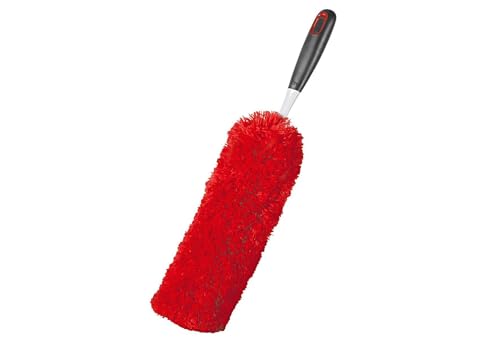
Traps and holds dust without cleaning chemicals
Regular Dusting
Dust kitchen cabinets at least once a month. Use a microfiber cloth or a duster to trap dust efficiently. Focus on both the tops and sides of cabinets.
Safe Storage
Store less frequently used items in upper cabinets. This reduces clutter and minimizes the dust that settles on surfaces. Keep countertop items to a minimum to ease the cleaning process.
Use Cabinet Doors
Keep cabinet doors closed when not in use. This helps prevent dust buildup and deters pests curious about food.
Sealing and Polishing
Apply a furniture polish suitable for wood or a protective sealant every few months. This creates a barrier against dust and grime, making future cleanings easier.
Cleaning Supplies
Keep specialized cleaning supplies handy. Use all-purpose cleaner for surfaces and a gentle wood cleaner for wooden cabinets. Having these tools accessible encourages regular cleaning.
Enlist Help
Make dusting a family activity. Assign tasks to each family member to ensure all areas receive attention. This teamwork can make cleaning faster and more enjoyable.
Air Filters
Change HVAC filters regularly. Cleaner air reduces dust circulation, leading to less accumulation on your cabinets. Consider using HEPA filters for maximum dust reduction.
Incorporating these strategies into your routine keeps your kitchen cabinets clean and enhances the overall cleanliness of your kitchen. Maintain good habits, and enjoy a dust-free cooking space.
Conclusion
Keeping the tops of your kitchen cabinets dust-free can seem like a daunting task but with the right approach it becomes manageable. By incorporating regular cleaning into your routine you not only enhance the look of your kitchen but also promote a healthier environment.
Remember to gather your supplies and take your time to reach every corner. Making this a family activity can also lighten the load and make it fun.
With these tips in mind you’ll enjoy a cleaner kitchen and a more inviting space for cooking and gathering. So grab your duster and get started on making your kitchen shine!
Frequently Asked Questions
Why is dusting kitchen cabinets important?
Dusting kitchen cabinets is essential for maintaining a clean and welcoming environment. It reduces allergens and germs, enhances the kitchen’s aesthetic appeal, and prevents damage that can shorten the lifespan of the cabinets.
How often should I dust my kitchen cabinets?
It’s recommended to dust your kitchen cabinets at least once a month. Regular cleaning helps prevent dust buildup and keeps your kitchen looking fresh and inviting.
What tools do I need to dust kitchen cabinets?
You’ll need a duster with an extension handle, microfiber cloths, an all-purpose cleaner, vinegar and water mix, furniture polish for wooden cabinets, and possibly a step stool or ladder for higher cabinets.
What is the best way to clean the top of kitchen cabinets?
Start by clearing the area and protecting surfaces with a drop cloth. Use a duster for high spots, then wipe down with a cleaning solution. Don’t forget to polish wooden surfaces and check corners for dust.
How can I keep my kitchen cabinets dust-free?
To keep your cabinets dust-free, dust regularly, store less-used items in upper cabinets, keep doors closed, and use furniture polish or sealants. Also, change HVAC filters periodically to reduce dust circulation.
