
Key Takeaways
- Significance of Cleanliness: Maintaining a clean commercial kitchen is crucial for food safety, operational efficiency, regulatory compliance, and customer satisfaction.
- Preparation is Key: Gather necessary cleaning supplies and implement safety measures to create an efficient and secure cleaning environment.
- Systematic Cleaning Process: Follow a detailed step-by-step cleaning process, including surface cleaning, deep appliance cleaning, and sanitizing floors and walls.
- Daily and Deep Cleaning Routines: Establish daily cleaning tasks and schedule regular deep cleanings to uphold hygiene and prevent the buildup of grime.
- Avoid Common Mistakes: Focus on not skipping daily tasks, using appropriate cleaning products, and training staff to ensure consistent cleaning practices.
- Record Keeping: Maintain detailed cleaning logs to enhance accountability and ensure compliance with health standards.
Have you ever walked into a commercial kitchen and felt overwhelmed by the mess? It’s a common challenge for restaurant owners and staff. A clean kitchen isn’t just about looks; it’s crucial for food safety and efficiency.
Importance Of Cleaning A Commercial Kitchen
Cleaning a commercial kitchen serves multiple critical functions. A clean kitchen protects food safety. Regular cleaning prevents the growth of harmful bacteria that can lead to foodborne illnesses. For instance, according to the CDC, nearly 48 million people get sick from food poisoning each year in the US. This statistic highlights the importance of maintaining cleanliness to safeguard public health.
Efficiency is another key reason for cleanliness. An organized, clean kitchen enhances workflow for your staff. When everything stays in its place, employees can find tools and ingredients quickly. This efficiency reduces preparation and cooking time, boosting overall productivity.
Additionally, cleanliness impacts compliance with health regulations. The FDA and local health departments enforce strict guidelines for commercial kitchens. Regular cleaning ensures you meet these standards, avoiding potential fines or closures. For example, maintaining proper sanitation records can demonstrate compliance during inspections.
Moreover, a clean kitchen creates a welcoming environment for customers. Cleanliness influences a customer’s perception of food quality. Dining in a tidy establishment fosters trust and encourages repeat business.
Finally, routine cleaning extends the lifespan of kitchen equipment. Grease and food particles can degrade machinery and appliances over time. Regular maintenance minimizes breakdowns and costly repairs.
Cleaning your commercial kitchen remains fundamental for food safety, efficiency, regulatory compliance, customer satisfaction, and equipment longevity. Prioritize cleanliness to maintain a successful kitchen operation.
Preparing For The Cleaning Process
Preparing for the cleaning process is essential for effective results in a commercial kitchen. This phase sets the foundation for thoroughness and efficiency during cleaning.
Gathering Necessary Supplies
Gather all necessary supplies before starting. This includes:
- Cleaning agents: Use appropriate detergents, sanitizers, and degreasers for different surfaces.
- Tools: Have mops, brooms, scrub brushes, and sponges ready.
- Protective gear: Wear gloves, goggles, and aprons to ensure personal safety.
- Trash bags: Keep trash bags handy for waste disposal.
- Buckets and containers: Use these for holding cleaning solutions and collecting debris.
As you collect supplies, double-check that they’re compliant with health regulations. Choosing quality products saves time and effort.
Ensuring Safety Measures
Implement safety measures to protect yourself and others while cleaning. Follow these steps:
- Ventilation: Open windows or turn on exhaust fans to ensure proper air circulation, especially with strong cleaners.
- Signage: Place “Wet Floor” signs to alert staff and prevent slips.
- Equipment: Turn off and unplug appliances before cleaning to avoid accidents.
- Food Storage: Remove or cover food items to protect them from contaminants during cleaning.
- Emergency Contacts: Have emergency contacts or first aid kits easily accessible.
By prioritizing safety, you minimize risks and create a safer work environment for everyone.
Step-By-Step Cleaning Process
Cleaning a commercial kitchen requires a systematic approach for effective results. Following these steps ensures a hygienic environment.
Recommended Products
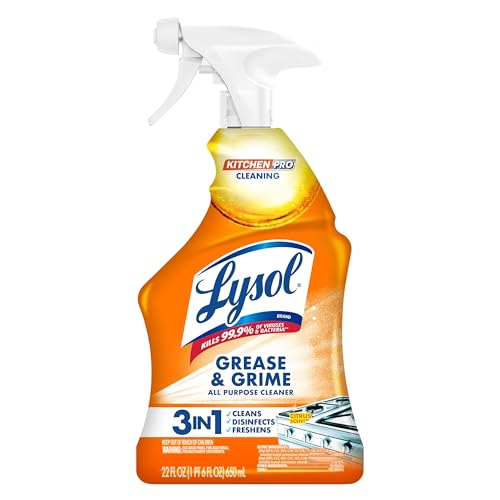
ELIMINATES 99.9% OF KITCHEN VIRUSES AND BACTERIA INCLUDNG SALMONELLA AND E.COLI: Lysol Pro Kitchen Cleaner is tested and proven to eliminate 99.9% of viruses and bacteria* (when used as directed). EPA Reg #777-91.

PROFESSIONAL STRENGTH GREASE AND OIL FIGHTING: Dawn Professional Kitchen Surface Cleaner is Designed to Cut Through Toughest Kitchen Grease Stains and Spills.

#1 Most effective Heavy-Duty Degreaser – This Heavy Duty formula breaks down stubborn grease and grime for a deep clean in seconds!
Cleaning Surfaces and Equipment
- Gather Supplies: Collect cleaning cloths, disinfectants, and scrubbing brushes.
- Wipe Down Surfaces: Use a damp cloth with an appropriate cleaner to wipe countertops, cutting boards, and tables. Pay attention to high-touch areas.
- Scrub Equipment: Remove food debris from equipment like mixers, ovens, and fryers. Use a scrubbing brush for stubborn spots.
- Rinse and Dry: Rinse surfaces with clean water, then dry with a clean cloth to prevent moisture buildup.
Deep Cleaning Appliances
- Unplug Appliances: Ensure all appliances are turned off and unplugged for safety.
- Remove Parts: Take out removable parts, like trays and filters, from ovens and fryers.
- Soak Components: Submerge parts in warm, soapy water for easier cleaning.
- Scrub and Rinse: Scrub components thoroughly. Rinse and dry before reassembling.
- Wipe Appliance Exteriors: Clean the outer surfaces of appliances using a disinfectant.
Sanitizing Floors and Walls
- Clear the Area: Move furniture and equipment away from the floors and walls.
- Sweep and Vacuum: Remove loose debris by sweeping or vacuuming all surfaces.
- Mop Floors: Use a mop and suitable floor cleaner to scrub the entire floor. Change the mop water regularly.
- Clean Walls: Use a cloth or sponge with disinfectant to wipe down walls, especially in areas prone to grease buildup.
- Final Inspection: Inspect the floors and walls for any missed spots and touch up as needed.
Following these steps maintains a clean and safe commercial kitchen environment. Implement this process regularly to enhance safety, efficiency, and compliance.
Maintaining A Clean Kitchen
Keeping a commercial kitchen clean requires consistent efforts and strategic planning. A clean kitchen not only looks appealing but also ensures food safety and operational efficiency.
Implementing Daily Cleaning Routines
Daily cleaning routines are crucial for maintaining cleanliness. Focus on these tasks:
- Wipe Down Surfaces: Clean countertops, cutting boards, and prep surfaces with a food-safe disinfectant. This prevents cross-contamination.
- Clean Equipment: After each use, clean and sanitize cooking utensils, blenders, and mixers. Short tasks prevent residue buildup.
- Empty Trash: Dispose of waste promptly to avoid odors and pests. Use lined trash cans for easier cleaning.
- Sweep and Mop Floors: Sweep to remove debris and mop with a suitable floor cleaner. This minimizes slips and improves hygiene.
- Check Refrigeration: Regularly inspect food storage areas for spills. Clean shelves as needed to maintain freshness and safety.
Scheduling Regular Deep Cleanings
Deep cleaning is vital for removing grime that daily tasks miss. Schedule these cleanings regularly:
- Monthly Cleaning: Focus on less accessible areas like under appliances, behind equipment, and inside vent hoods.
- Quarterly Equipment Servicing: Deep clean ovens, fryers, and dishwashers according to the manufacturer’s recommendations. Ensure they operate efficiently.
- Seasonal Pest Control: Inspect for pests and maintain cleaning areas regularly to deter infestations. Implementation of pest control measures or hiring a professional can enhance prevention.
Implementing these routines provides a clean environment that promotes safety, compliance, and enhanced service quality.
Common Mistakes To Avoid
Maintaining a clean commercial kitchen requires attention to detail. Avoiding common mistakes helps preserve food safety and operational efficiency.
Skipping Daily Tasks
Neglecting daily cleaning tasks creates a buildup of dirt and grime. Schedule a routine for tasks such as wiping down surfaces, cleaning equipment, and emptying trash.
Using the Wrong Cleaning Products
Selecting inappropriate cleaning products can damage surfaces or equipment. Always choose cleaners that comply with health regulations and are suitable for the materials in your kitchen.
Overlooking Hard-to-Reach Areas
Ignoring corners, behind appliances, and ceilings allows dirt to accumulate. Make sure to include these areas in your deep cleaning schedule.
Inadequate Sanitization
Failing to properly sanitize surfaces leads to harmful bacteria growth. Use effective sanitizers and follow the manufacturer’s instructions for application.
Not Training Staff
Not providing proper training for your staff can result in inconsistent cleaning practices. Conduct regular training sessions to emphasize the importance and methods of cleanliness.
Ignoring Equipment Maintenance
Neglecting equipment maintenance can affect performance and hygiene. Set up a maintenance schedule to ensure appliances function correctly and remain clean.
Delaying Deep Cleaning
Postponing deep cleaning tasks allows filth to build up over time. Make a habit of planning regular deep cleanings to keep your kitchen in top shape.
Bypassing Safety Measures
Overlooking safety measures can lead to accidents. Always follow safety protocols, such as wearing protective gear and ensuring proper ventilation while cleaning.
Not Keeping Records
Failing to keep cleaning logs can prevent accountability and compliance checks. Maintain records of cleaning activities to track routine and deep cleaning tasks effectively.
Disregarding Feedback
Ignoring feedback from staff about cleaning processes can lead to overlooked issues. Encourage open communication and consider suggestions for improving cleaning practices.
Conclusion
Maintaining a clean commercial kitchen isn’t just about appearances; it’s crucial for safety and efficiency. By implementing daily routines and scheduling regular deep cleans, you can create a healthier environment for both your staff and customers.
Remember to stay proactive and avoid common pitfalls like skipping tasks or using the wrong products. Training your team and keeping detailed cleaning records can make a big difference.
With a little effort and strategic planning, you’ll not only comply with health regulations but also enhance your kitchen’s productivity and reputation. A clean kitchen is a happy kitchen, and that’s something everyone can appreciate!
Frequently Asked Questions
Why is cleanliness important in commercial kitchens?
A clean kitchen is vital for food safety, preventing harmful bacteria growth and foodborne illnesses. It also improves operational efficiency, ensuring staff can locate tools and ingredients quickly, which boosts productivity. Cleanliness enhances customer perceptions of food quality and helps comply with health regulations, avoiding potential fines and closures.
What are the key cleaning supplies for commercial kitchens?
Essential cleaning supplies include appropriate cleaning agents, sanitizers, scrubbing tools, protective gear, trash bags, and containers. Ensure that all products are compliant with health regulations. Having the right supplies helps streamline the cleaning process, enhancing efficiency and safety.
What are the steps in the cleaning process for a commercial kitchen?
The cleaning process typically involves gathering cleaning supplies, wiping down surfaces, scrubbing equipment, deep cleaning appliances, sanitizing floors and walls, and checking for areas that need special attention. This systematic approach ensures a hygienic environment.
How often should deep cleaning be scheduled in a commercial kitchen?
Regular deep cleaning should be scheduled at least once a month, focusing on hard-to-reach areas and equipment servicing. Daily cleaning routines help maintain hygiene, but thorough cleanings are essential to preserving kitchen safety and compliance.
What common mistakes should be avoided in commercial kitchen cleaning?
Common mistakes include skipping daily tasks, using inappropriate cleaners, neglecting hard-to-reach spots, failing to sanitize properly, and not training staff. Avoiding these mistakes is crucial for maintaining a hygienic environment and overall kitchen efficiency.
