

Ever found your child’s favorite stuffed animal covered in an unidentifiable stain? It’s a common dilemma for many parents. Whether it’s a spill from snack time or a result of an outdoor adventure, those beloved plush toys often end up looking worse for wear.
In this article, you’ll learn simple and effective ways to remove stains from stuffed animals, helping you restore them to their former glory. With a few handy tips, you’ll be able to keep those cherished companions looking clean and fresh, ensuring they remain a source of comfort and joy for your little ones.
Key Takeaways
- Identify Stain Types: Understanding the specific type of stain on your child’s stuffed animal helps you select the most effective cleaning method and avoid further damage.
- Prepare Before Cleaning: Gather necessary supplies such as mild detergent, white vinegar, and soft brushes, and always check the fabric and care labels for specific cleaning instructions.
- Effective Cleaning Methods: Use gentle detergents, natural solutions like vinegar and baking soda, and targeted spot cleaning techniques to remove different kinds of stains.
- Proper Drying Techniques: Dry stuffed animals in a well-ventilated area, use a fan or low heat setting if permitted, and take care to blot excess water and periodically turn the toy to ensure even drying.
- Maintaining Shape and Texture: While the toy is still damp, reshape and fluff it to maintain its original form, and use a soft brush to restore texture without causing damage.
Understanding Different Types of Stains on Stuffed Animals
Stuffed animals often accumulate various stains due to their constant use. Knowing the type of stain helps in choosing the right cleaning method.
Identifying Common Stains
Several common stains appear on stuffed animals. Food stains come from snacks and meals. Dirt and mud result from outdoor play. Ink stains occur from drawing or writing. Grease stains happen from oily foods or substances. These examples show that knowing the source helps in treating them effectively.
The Importance of Knowing Your Stain Type
Different stains need different treatments. Using the wrong method can cause more damage. For greasy stains, solvents work better, while for ink stains, rubbing alcohol is effective. Recognizing the stain type saves time and keeps the stuffed animals in good condition.
Preparation Before Cleaning
Before tackling those stubborn stains on your child’s stuffed animals, taking some preparatory steps ensures a more effective cleaning process and helps protect the toys from damage.
Recommended Products

LAUNDRY BIO-ENZYMATIC FORMULA: Helps break down and destroy tough pet stains and odors, such as urine, feces, vomit, blood, grass and drool.
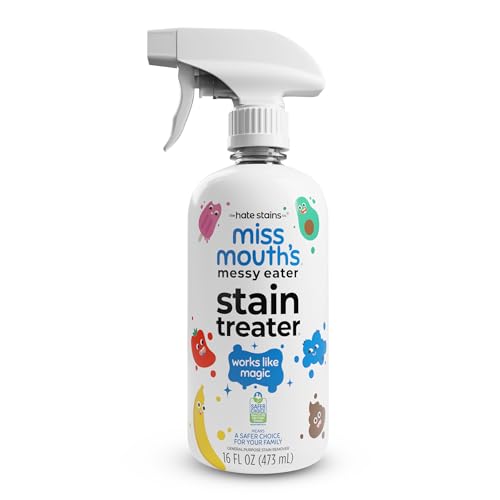
POWERFUL & FAST WORKING This lightning fast laundry stain remover spray is perfect for clothes, upholstery, and carpets.

Maximum Strength Formula – Eliminates the toughest stains, even 7-day dried-in messes like wine, coffee, blood, and food
Gathering Necessary Supplies
Start by collecting all the cleaning supplies you’ll need. This makes the process smoother and avoids delays. Common items include:
- Mild Detergent: A gentle detergent protects the fabric while cleaning.
- White Vinegar: Useful for natural, non-toxic cleaning solutions.
- Stain Remover: Specialized for different stain types, like food or ink.
- Soft Brush: Helps remove dirt without damaging the toy.
- Clean Towels: For blotting and drying.
Reading Fabric and Care Labels
Examine the fabric and care labels on the stuffed animals before cleaning. These labels offer critical information on cleaning methods and potential restrictions. Key points include:
- Machine Washable: Indicates if the toy can be cleaned in a washing machine.
- Hand Wash Only: Suggests using gentle hand washing to avoid damage.
- Specific Detergents: Recommends certain types of detergents for optimal care.
- Drying Instructions: Provides guidance on air drying versus machine drying.
Following these preparatory steps ensures a smoother, more effective cleaning process, preserving your child’s beloved stuffed animals.
Methods to Get Stains Out of Stuffed Animals
Stuffed animals can get stained from various sources. Here are effective methods to get them looking fresh again.
Recommended Products
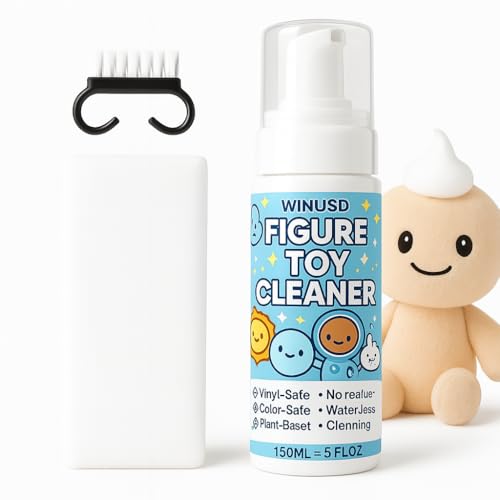
【Powerful Deep-Cleaning Formula】This foaming toy cleaner spray eliminates dirt and stains from plush surfaces with strong cleansing, yet remains gentle without sticky residue. Ideal for stuffed animals, pet toys, and all fabric toys.

Fast-Acting Foam Plush Toy Cleaner for Stuffed Animals & Fabric Toys: Specially designed foam plush toy cleaner for stuffed animals, plush toys, fabric dolls and soft surfaces. Rich foam penetrates fibers to lift dirt, dust, and everyday stains without soaking materials, making it ideal for plush toy cleaning, fabric toy care, and soft surface maintenance.

【Gentle Cleaning】Specifically developed for plush toys, this cleaner uses a plant-based formula to lift dirt and refresh the surface without harsh chemicals, keeping cherished stuffed animals looking their best.
Using Gentle Detergents
Gentle detergents, like those for delicate fabrics, clean stuffed animals without causing damage. Dilute the detergent in water, then immerse the stained area. Use a soft cloth to gently rub the stain. Rinse with cold water to remove any detergent residue, then blot the area with a clean towel. Ensure the stuffed animal’s care label allows this method.
Natural Cleaning Solutions
Natural cleaning solutions are effective for safe stain removal. White vinegar mixed half-and-half with water works well on many stains. Apply the solution using a spray bottle or cloth. Let it sit for 30 minutes. Another option is baking soda; sprinkle it on damp stains, let it dry, then brush it away. These methods avoid harsh chemicals, keeping your stuffed animal safe for your child.
Spot Cleaning Techniques
Spot cleaning tackles tough stains directly. For ink stains, apply rubbing alcohol to a cotton swab and dab the stain. For greasy stains, use cornstarch to absorb the grease. Leave it on for 15 minutes, then brush it off. Always test these methods on a small, inconspicuous area first to ensure there’s no damage to the stuffed animal’s fabric.
Tips for Drying and Fluffing After Cleaning
Drying and fluffing stuffed animals correctly keeps them looking and feeling their best. Follow these steps to ensure your child’s favorite toys remain soft and cozy.
Recommended Products

【Instant Warmth & Care】Warm comfort, right when you need it. Just pop your kitten plush heating pad in the microwave for gentle, soothing heat that melts away cramps, muscle tension, and everyday stress. Always heat with care - follow the instructions and check the temperature before cuddling up. Come with an extra little cat plush, which brings you a touch of calm and comfort to every cozy moment.

Clever 2-in-1 Design: Experience playful versatility! Our unique design merges a classic Halloween black cat with festive pumpkin flair. Simply add the pumpkin hood for spooky season spirit, then remove it afterwards for year-round companionship. Reinforced stitching ensures durability for kids' adventures.

SOOTHING WARMTH WHEREVER YOU NEED IT – Got a stiff neck from staring at screens? Aches in your shoulders after workout? Or that familiar cramp in your stomach? Just pop your cozy heating pad stuffed animal for back pain relief in the microwave for 90 seconds, and let the gentle warmth ease the tension away. Need cooling relief instead? Pop dog heated stuffed animal in the freezer for 4 hours—perfect for soothing headaches or hot summer days. Hot or cold, it molds perfectly to your neck, shoulders, knees, or belly—bringing comfort exactly where you need it most.
Proper Drying Techniques
Dry stuffed animals in a well-ventilated area to prevent mold growth. Use a fan for quicker air drying. If the care label permits, use a dryer on a low heat setting. Place the stuffed animal inside a pillowcase to avoid direct heat.
Blot excess water with a towel before air drying. Hang the stuffed animal or lay it flat on a clean, dry towel. Turn the stuffed animal periodically to ensure even drying.
Keeping the Shape and Texture Intact
Reshape stuffed animals while they’re still damp. Gently knead and fluff the stuffing to redistribute it evenly. This prevents lumps and maintains the original shape.
Brush the fur with a soft brush to restore texture once the stuffed animal is dry. For stubborn tangles, use a pet comb. Avoid using heat tools like hairdryers, which can damage delicate fabrics.
Conclusion
Keeping your child’s stuffed animals clean and stain-free doesn’t have to be a daunting task. With a few simple techniques and the right products, you can tackle even the toughest stains and keep those beloved toys looking fresh. Remember to use gentle detergents and natural solutions whenever possible to protect the fabric and stuffing. Proper drying and fluffing will ensure they stay soft and cuddly. By following these tips, you’ll not only extend the life of the stuffed animals but also keep your child’s favorite companions in great shape.
Frequently Asked Questions
How can I clean greasy stains from stuffed animals?
Greasy stains can be effectively removed using solvents such as dish soap or specialized degreasers. Apply a small amount to the stain, gently rub, and rinse with water.
What should I use to clean ink stains on a stuffed animal?
Rubbing alcohol works well for ink stains. Dab a small amount on a cloth and then gently blot the stain until it lifts.
Are there natural cleaning solutions I can use?
Yes, natural solutions like white vinegar and baking soda are effective. They are gentle on fabrics and safe for children’s toys.
How do I dry a stuffed animal after cleaning?
Avoid using heat tools. Instead, let the stuffed animal air dry. You can reshape it while damp and fluff the fur by gently brushing it.
What is spot cleaning, and when should I use it?
Spot cleaning targets specific areas of a stuffed animal instead of the entire toy. It’s best for tough stains like ink or grease to avoid over-saturating the toy.
Can I use regular detergent to clean stuffed animals?
Yes, but use a gentle detergent to avoid damaging the fabric. A mild soap solution works well for general cleaning.
How do I maintain the texture of a stuffed animal after cleaning?
After drying, brush the fur gently to restore its texture. Avoid using heat tools, which can cause damage, and reshape the animal while it is still damp to maintain its appearance.
How often should I clean my child’s stuffed animals?
Clean them as needed, especially when visibly dirty or stained. Regular spot cleaning can help maintain overall cleanliness and prolong the life of the toy.