
Key Takeaways
- Importance of Cleaning: Regularly cleaning dish scrub brushes prevents bacteria growth, ensures kitchen hygiene, and enhances their scrubbing power, making cleaning more efficient.
- Step-by-Step Cleaning: Follow a structured cleaning routine that includes pre-cleaning preparation, soaking in soapy water, scrubbing with a vinegar solution, thorough rinsing, and proper drying.
- Routine Maintenance: Clean your scrub brush after each use to remove food particles and prevent moisture buildup, which can lead to mold and odors.
- Alternative Cleaning Tools: Consider using baking soda, hydrogen peroxide, lemon juice, essential oils, or a dishwasher for effective cleaning and disinfection of your scrub brushes.
- Safety and Longevity: Establishing a cleaning routine not only ensures hygiene but also prolongs the lifespan of your dish scrub brushes, saving you money over time.
Ever looked at your dish scrub brush and wondered if it’s actually clean? You’re not alone. Many people overlook this essential kitchen tool, but a dirty scrub brush can spread germs and grime instead of getting rid of them.
Importance Of Cleaning Dish Scrub Brushes
Cleaning dish scrub brushes is crucial for maintaining a healthy kitchen environment. These brushes, used daily, gather food particles, grease, and bacteria. Without proper cleaning, these germs can transfer to dishes, leading to potential foodborne illnesses.
Regularly cleaning your scrub brushes extends their lifespan. Brushes that harbor grime deteriorate faster, requiring more frequent replacements. A clean brush also maintains its scrubbing power, ensuring effective cleaning of pots, pans, and plates.
Consider the following reasons for keeping your scrub brushes clean:
- Prevent Bacterial Growth: Bacteria thrive in damp, soiled environments. Removing food residue and moisture after use minimizes this risk.
- Ensure Hygiene: Clean brushes help maintain overall kitchen hygiene by avoiding cross-contamination when washing dishes.
- Enhance Performance: A clean brush works better, making scrubbing easier and more efficient.
- Reduce Unpleasant Odors: Build-up in brushes may lead to foul smells. Regular cleaning eliminates odors and keeps your kitchen fresh.
Establish a routine to clean your dish scrub brush after each use. This simple practice keeps your kitchen safer and prolongs the life of your cleaning tools.
Step-By-Step Guide
Cleaning your dish scrub brush ensures it remains free from germs and grime. Follow these simple steps for effective cleaning.
Pre-Cleaning Preparation
- Gather Supplies: Collect hot water, liquid dish soap, white vinegar, and a bowl or sink.
- Inspect the Brush: Check for any visible food particles, grease, or damage before cleaning.
- Remove Loose Debris: Rinse the brush under running water to dislodge any food particles.
Cleaning Methods
- Soak in Soapy Water: Fill a bowl or sink with hot, soapy water. Place the scrub brush in it and let it soak for 10–15 minutes.
- Scrub with a Solution: Mix equal parts of vinegar and water. Use this solution to scrub the bristles with your fingers or a clean cloth.
- Rinse Thoroughly: Rinse the brush under warm water to remove soap and any remaining debris.
- Disinfect if Necessary: For extra cleanliness, soak the brush in a mixture of vinegar and water for an additional 5 minutes.
- Dry Properly: Shake off excess water and let the brush air dry in an upright position. Avoid storing it in a damp area.
By following these steps, you maintain hygiene and enhance the effectiveness of your dish scrub brush. Regular cleaning keeps your kitchen safer and your tools in good condition.
Tips For Maintaining Cleanliness
Maintaining the cleanliness of your dish scrub brush is essential for a hygienic kitchen. Here are some practical tips to ensure your scrub brush stays fresh and effective.
Recommended Products
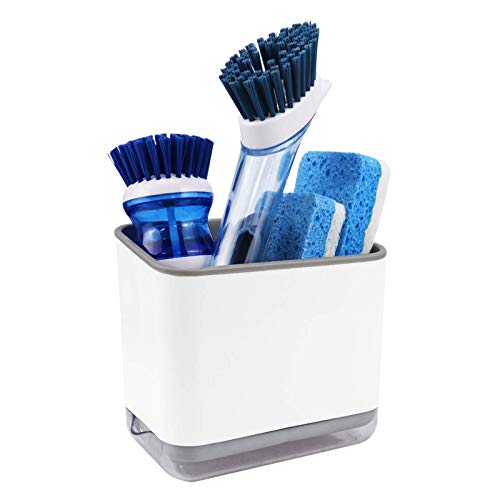
【Clutter-Free Sink Area】 Plastic sink sponge holder can be placed on the counter instead of attach to the sink by suction cups, won’t get in the way of other activities in the kitchen sink. It helps keep dishwashing tools in one place and keeps the sink area tidy.
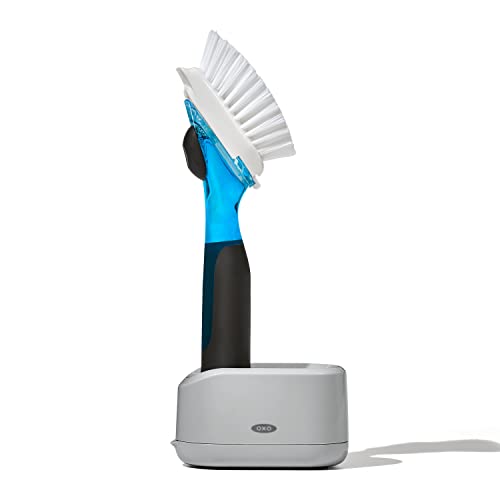
Squirts soap with the light push of a button

Easy to Brush off Stain: High-density firm bristles make it easy to brush off stains on a variety of surfaces without wearing and scratching
Frequency Of Cleaning
Clean your dish scrub brush after each use. A quick rinse under hot water removes food particles and debris. For deeper cleaning, scrub it with dish soap. Performing this task daily prevents bacteria from developing, ensuring your kitchen tools remain safe and effective.
Proper Drying Techniques
Dry your scrub brush thoroughly to prevent moisture buildup, which can lead to mold. After rinsing, shake off excess water and stand the brush upright. Place it in a well-ventilated area or a dish rack designed for drying brushes. This method promotes airflow, helping the brush dry more quickly and reduces the risk of germs thriving.
Alternative Cleaning Tools
Using alternative tools can enhance your cleaning routine for dish scrub brushes. Explore these options:
Baking Soda
Baking soda acts as a natural abrasive. Mix it with water to form a paste. Apply it directly to the brush, scrubbing gently. Rinse thoroughly. This method helps eliminate odors and tough grime.
Hydrogen Peroxide
Hydrogen peroxide serves as a disinfectant. Soak your scrub brush in a solution of one part hydrogen peroxide to three parts water for about 10-15 minutes. Rinse thoroughly afterward. This process kills bacteria effectively.
Lemon Juice
Lemon juice provides a fresh scent while enhancing cleaning. Apply lemon juice directly to the brush or soak it in a mixture of lemon juice and water. The acidity cuts through grease and eliminates odors.
Dish Soap
Regular dish soap is effective for everyday cleaning. Simply apply a few drops to your brush and scrub under running water. This approach removes food particles and keeps hygiene in check.
Essential Oils
Essential oils, like tea tree or lavender, can add antibacterial properties. Add a few drops to your cleaning mixture to boost effectiveness. Essential oils also leave your scrub brush smelling pleasant.
Dishwasher
If your dish scrub brush is dishwasher-safe, placing it on the top rack can simplify cleaning. Use a hot cycle without additional dishes to avoid cross-contamination.
Ultrasonic Cleaners
Ultrasonic cleaners are another valuable tool. These devices use high-frequency sound waves to remove dirt and debris from brushes effectively. Just follow the manufacturer’s instructions for best results.
Using these alternative tools can ensure your dish scrub brushes remain clean and effective. Experiment with different options to find what works best for your cleaning needs.
Conclusion
Keeping your dish scrub brush clean is a simple yet essential part of maintaining a healthy kitchen. By incorporating a routine cleaning process after each use you can prevent the buildup of bacteria and prolong the life of your brush.
Don’t forget to explore various cleaning methods that work best for you. Whether it’s using natural ingredients like baking soda and lemon juice or relying on your dishwasher, you have options that can make the task easier.
With a little effort your scrub brush can stay fresh and effective ensuring your dishes are always clean and safe to use. Happy cleaning!
Frequently Asked Questions
How often should I clean my dish scrub brush?
It’s best to clean your dish scrub brush after each use. Regular cleaning helps remove food particles and bacteria, ensuring your kitchen remains hygienic.
What supplies do I need to clean my scrub brush?
To clean your scrub brush, gather hot water, dish soap, vinegar, and a scrubbing tool. These supplies will help effectively remove grime and bacteria.
Can I disinfect my dish scrub brush?
Yes, you can disinfect your scrub brush. After cleaning with soap and water, soak it in a vinegar solution or use hydrogen peroxide to eliminate harmful germs.
How should I dry my scrub brush?
Air dry your scrub brush in an upright position in a well-ventilated area. This prevents moisture buildup and reduces the risk of mold growth.
What are some alternative cleaning tools for scrub brushes?
Alternative cleaning tools include baking soda for scrubbing, lemon juice for grease-cutting, and essential oils for antibacterial benefits. Dishwasher-safe brushes can also be cleaned in the dishwasher.
Why is cleaning my scrub brush important?
Cleaning your scrub brush is vital for maintaining kitchen hygiene. Dirty brushes can harbor bacteria, which may transfer to dishes and lead to foodborne illnesses.
