
Key Takeaways
- Understanding Oven Igniters: Recognize that oven igniters are essential components in gas ovens that ignite gas for cooking; a dirty igniter can cause issues such as delayed heating and increased gas consumption.
- Cleaning Frequency: It’s important to clean your oven igniter every few months or sooner if problems arise to maintain efficiency and prolong its lifespan.
- Essential Tools: Equip yourself with a soft-bristled brush, microfiber cloths, vinegar or baking soda, a toothbrush, mild dish soap, rubber gloves, safety goggles, and a mask to ensure a safe and effective cleaning process.
- Step-by-Step Cleaning Process: Follow a straightforward cleaning procedure that includes turning off the gas supply, inspecting, brushing, applying a cleaning solution, scrubbing, and drying the igniter thoroughly before reassembling your oven.
- Avoid Common Mistakes: Prevent over-cleaning and always prioritize safety by adhering to precautions, such as ensuring the gas supply is off and wearing protective gear during the cleaning process.
Have you ever noticed your oven taking longer to heat up or not lighting at all? A dirty igniter might be the culprit. Cleaning your oven igniter can seem daunting, but it’s a simple task that can save you time and frustration in the kitchen.
Understanding Oven Igniters
Oven igniters play a crucial role in ensuring your oven operates correctly. Knowing more about them can help you understand their importance and the need for regular cleaning.
What Is an Oven Igniter?
An oven igniter is a small yet vital component in gas ovens. It ignites the gas to create the flame needed for cooking. Typically, igniters are made from ceramic and are often located near the burner. When you turn on the oven, the igniter receives an electrical current that heats it up. Once it reaches a certain temperature, it ignites the gas, producing the flame for cooking. If the igniter is dirty or defective, it may fail to light, leading to cooking delays.
Importance of Cleaning an Oven Igniter
Cleaning an oven igniter is essential for maintaining its efficiency. A dirty igniter can lead to several issues:
- Delayed Heating: The igniter may take longer to ignite the gas.
- Incomplete Combustion: A dirty igniter can lead to inconsistent flames, affecting cooking performance.
- Increased Gas Consumption: If the igniter struggles to ignite, it may cause the oven to use more gas than necessary.
Regular cleaning helps prevent these problems and prolongs the life of your igniter. Aim to clean the igniter every few months or sooner if you notice any issues. By keeping it clean, you ensure your oven operates smoothly, enhancing your overall cooking experience.
Tools Needed for Cleaning
Cleaning an oven igniter requires specific tools for efficiency and safety. Gathering these tools beforehand makes the process smoother.
Recommended Cleaning Supplies
- Soft-bristled Brush: Use a soft-bristled brush to remove loose debris and grime without scratching the igniter.
- Microfiber Cloths: Keep several microfiber cloths on hand for gentle wiping and drying.
- Vinegar or Baking Soda: Apply vinegar or baking soda to create an effective natural cleaner that cuts through grease.
- Toothbrush: A clean toothbrush effectively scrubs tight spots and hard-to-reach areas.
- Dish Soap: Use a mild dish soap mixed with warm water for a safe cleaning solution.
Safety Equipment to Use
- Gloves: Wear rubber or latex gloves to protect your hands from cleaning agents and dirt.
- Safety Goggles: Use safety goggles to shield your eyes from any splashes, especially when using vinegar.
- Mask: A mask can help prevent inhaling dust and debris during the cleaning process.
- Non-slip Shoes: Ensure you wear non-slip shoes to maintain a good grip while working around the oven.
Having the right tools on hand ensures that cleaning the oven igniter remains straightforward and efficient, eliminating worries about safety or potential damage.
Step-by-Step Guide on How to Clean Oven Igniter
Cleaning your oven igniter is straightforward. Follow these steps for optimal results.
Recommended Products

Heavy Duty Oven Cleaner Brush Set:you will receive 2 crevice cleaning brushes, 3 Stainless Steel Brass Nylon Brush, 1 curved brush, 1 round brush, 1 razor blade scraper, 6 scraper replacement heads, 1 pumice stone, 1 wire ball brush, and 2 cleaning sponges.

【Heavy Duty Grill Brush & Wire Brushes】: LAKIDOGS Duty Grill & Wire Brushes are built and designed for heavy-duty scrubbing on commercial grills and ovens. Suit for the extra strong ergonomic stainless steel handle.No need to dirty your hands. Keep your commercial cooking surfaces clean for future use.
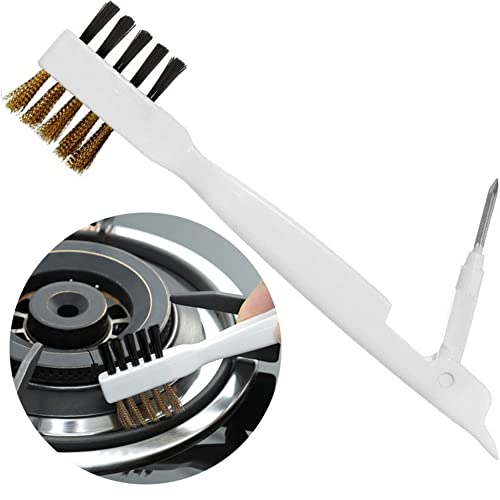
Versatile kitchen tool: Brass wire brush +nylon brush on one side and stainless steel nail + spatula on another side. This brush size is made for small jobs and tight spaces. Durable and strong. Combine brush, sparse, stainless steel needle pick and shovel into one, 4-in-1 function, easy to clean the counters,gas stoves, etc .
Preparing Your Oven for Cleaning
- Turn Off the Gas Supply: Ensure safety by turning off the gas to your oven. Locate the gas shut-off valve and turn it clockwise until it stops.
- Unplug the Oven: Disconnect the oven from the power source. This prevents any accidental shocks while you clean.
- Remove Oven Racks: Take out the racks to access the igniter easily. Set them aside in a safe place.
Cleaning the Igniter
- Inspect the Igniter: Examine your igniter for visible dirt or grime. Dust and built-up food can affect its performance.
- Use a Soft-Bristled Brush: Gently brush the igniter with the soft-bristled brush. This removes loose debris without causing damage.
- Apply Vinegar or Baking Soda: Mix a small amount of vinegar or baking soda with water to create a cleaning solution. Dampen a microfiber cloth with the solution, then wipe the igniter.
- Scrub with a Toothbrush: For tougher stains, use a toothbrush. Lightly scrub around the igniter to eliminate stubborn grime.
- Dry Thoroughly: Ensure the igniter dries completely. Use a clean cloth to gently wipe away any moisture.
Reassembling and Testing
- Reattach Oven Racks: Place the oven racks back in their original positions after everything is dry.
- Reconnect Power: Plug your oven back into the power source and turn the gas supply back on.
- Test the Igniter: Turn on your oven to check whether the igniter lights properly. If it ignites quickly, you’ve successfully cleaned it.
These steps maintain your igniter’s efficiency and prolong its lifespan. Regular cleaning ensures a better cooking experience.
Common Mistakes to Avoid
Avoiding mistakes during the cleaning process helps maintain your oven igniter’s functionality. Here are crucial points to keep in mind.
Over-Cleaning the Igniter
Over-cleaning can damage the igniter. You often think a thorough scrubbing is beneficial, but excessive force can wear down its sensitive components. Use a soft-bristled brush for regular maintenance instead of abrasive materials. Scrub gently to remove debris without harming the surface. Cleaning every few months suffices; constant scrubbing isn’t required.
Ignoring Safety Precautions
Ignoring safety precautions poses significant risks. Always prioritize your safety before cleaning. Ensure the gas supply is shut off and the oven is unplugged. Wear gloves and safety goggles to protect against sharp debris or chemical irritants. Using a mask can prevent inhalation of harmful dust or particles. Following these steps minimizes risks involved during the cleaning process.
Conclusion
Cleaning your oven igniter can make a world of difference in your cooking routine. By taking the time to maintain this crucial component, you’re ensuring your oven heats up efficiently and operates safely. Remember that regular upkeep not only extends the life of the igniter but also enhances your overall cooking experience.
With the right tools and a little patience, you can tackle this task with confidence. So don’t hesitate to roll up your sleeves and give your oven igniter the care it deserves. Happy cooking!
Frequently Asked Questions
Why is my oven taking longer to heat up?
A slow-heating oven often indicates a dirty igniter. When the igniter is covered in grease or debris, it may not ignite the gas efficiently, leading to longer heating times. Regular cleaning helps maintain optimal performance.
How do I clean the oven igniter?
First, turn off the gas supply and unplug the oven. Remove the oven racks for better access. Use a soft-bristled brush to clear loose debris, then apply a vinegar or baking soda solution. Scrub with a toothbrush, rinse, and ensure thorough drying before reassembling.
What tools do I need to clean the oven igniter?
You’ll need a soft-bristled brush, microfiber cloths, vinegar or baking soda, a toothbrush, and mild dish soap. Additionally, ensure you have safety equipment like gloves, goggles, a mask, and non-slip shoes for protection during the cleaning process.
What safety precautions should I take when cleaning the igniter?
Always turn off the gas supply and unplug the oven before starting. Wear gloves and safety goggles to protect yourself from potential hazards. A mask can help avoid inhaling dust or debris, and use non-slip shoes to prevent slips and falls.
How often should I clean my oven igniter?
It’s recommended to clean the oven igniter regularly, ideally every few months, to prevent grease buildup and ensure it functions properly. Regular maintenance can enhance the igniter’s efficiency, prolong its lifespan, and improve your cooking experience.
What mistakes should I avoid when cleaning the igniter?
Avoid over-cleaning, as too much scrubbing can damage the igniter. Do not use abrasive materials that can scratch or harm the surface. Always ensure the gas supply is shut off and prioritize safety precautions to minimize risks during cleaning.
