
Key Takeaways
- Understanding Porcelain Sinks: Familiarize yourself with the structure and common issues of porcelain sinks to maintain their appearance effectively.
- Causes of Rust Stains: Rust on porcelain sinks typically originates from metal contact, chips, cracks, hard water deposits, and poor drainage.
- Prevention Tips: Use rubber mats to protect against metal contact, clean regularly with non-abrasive products, promptly address damage, check water quality, and dry the sink after use.
- Effective Cleaning Methods: Utilize a baking soda and vinegar method for a natural approach, or choose a commercial rust remover designed for porcelain surfaces for tougher stains.
- Regular Maintenance: Establish a cleaning routine with vinegar and ensure immediate action on stains to maintain a rust-free sink.
- Protective Measures: Consider sealants for added protection, moisture-absorbing mats, and avoid harsh chemicals to preserve the sink’s finish.
Have you ever noticed unsightly rust stains on your porcelain sink? You’re not alone. Many people face this frustrating issue, and it can make your kitchen or bathroom look less than its best. Luckily, cleaning rust off a porcelain sink doesn’t have to be a daunting task.
Understanding Porcelain Sinks
Porcelain sinks are popular in both kitchens and bathrooms due to their durability and aesthetic appeal. Familiarity with their structure and common issues helps you maintain them effectively.
Recommended Products

HUNDREDS OF USES - Easily tackle a variety of household cleaning jobs with an all in one cleaner designed for bathrooms, kitchens, dishwashers, coffee pots and even the siding of your house

Goodbye Rust: Remove rust stains around the home with a heavy-duty rust removal product trusted for over 60 years. The unique cleaner gel clings to dissolve rust stains on contact for difficult-to-reach places.
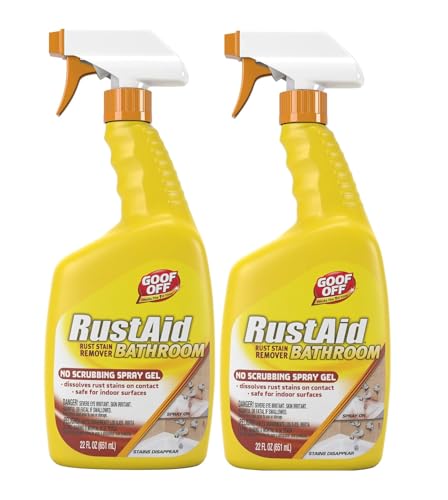
Tackle bathroom rust with a powerful solution designed for visible results. This formula targets rust on contact and works effectively as a rust cleaner for tubs, showers, sinks, tile, and other indoor surfaces.
What Is Porcelain?
Porcelain is a ceramic material known for its strength and non-porous surface. It consists of clay, silica, and feldspar, fired at high temperatures. This process makes porcelain water-resistant and smooth, which contributes to its resistance to stains. Porcelain sinks often come in white or glossy finishes, enhancing their visual appeal in any setting.
Common Issues with Porcelain Sinks
Several problems can arise with porcelain sinks, often requiring proper care to address.
- Rust Stains: Common in areas where metal fittings or objects come into contact with the sink. Rust stains can accumulate and become unsightly if not cleaned promptly.
- Chips and Cracks: These damaged areas expose the underlying layer, making the sink susceptible to further stains and damage.
- Hard Water Deposits: Mineral buildup from hard water can lead to discoloration and a rough texture, necessitating regular cleaning to maintain surface integrity.
- Fading: Over time, exposure to harsh chemicals or excessive sunlight can dull the finish, leading to an aged appearance.
Understanding these issues helps you take proactive measures to keep your porcelain sinks looking pristine.
Why Rust Forms on Porcelain
Rust forms on porcelain sinks due to various factors. Understanding these causes helps you prevent and manage rust stains effectively.
Causes of Rust Stains
- Metal Contact: When metal objects like faucets or scrubbers sit on the sink, they can rust and transfer that rust to the porcelain surface.
- Chips and Cracks: If your porcelain has chips or cracks, moisture can penetrate these areas. This moisture, in combination with metal exposure, can lead to rust formation.
- Hard Water Deposits: Minerals in hard water can accumulate over time, creating a breeding ground for rust if left unchecked, particularly when combined with iron in the water supply.
- Poor Drainage: Stagnant water from poor drainage can promote rust stains, especially if it collects around the edges or in cracks.
Preventive Measures
- Use Rubber Matting: Place rubber mats or coasters under metal items to create a barrier and prevent direct contact with the porcelain.
- Regular Cleaning: Clean your sink frequently with a non-abrasive cleaner to remove potential rust-causing elements.
- Address Damage Promptly: Fix any chips or cracks immediately to prevent moisture intrusion that could lead to rust.
- Check Water Quality: Test your water supply for iron content. Installing a water softener can help reduce minerals that contribute to rust staining.
- Dry Your Sink: Wipe your sink dry after use to avoid moisture buildup, particularly around fittings or drains.
Effective Methods to Clean Rust Off Porcelain Sink
Removing rust from a porcelain sink is efficient with the right methods. Here are two effective techniques you can use.
Recommended Products
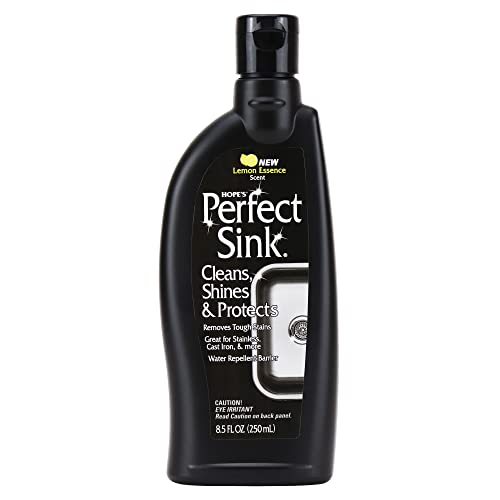
Cleaner & Polish - Hope’s Perfect Sink is a gentle cleaner that shines polishes and protects in one simple step; get your cleaning done faster and more efficiently

All Purpose Cleaner for Everyday Cleaning: Concentrated powder cleanser eliminates stubborn rust stains, cuts through heavy baked-on grease, burnt pots and pans, and removes hard water mineral deposits. This oxalic acid formula works without bleach to restore shine to stainless steel, porcelain, ceramic tile, and aluminum - no dilution needed, just sprinkle onto a wet surface

NEW LOOK SAME FORMULA - Same great trusted and effective formula but without the Dyes or Fragrances
Baking Soda and Vinegar Method
- Gather Supplies: You’ll need baking soda, white vinegar, a soft cloth or sponge, and warm water.
- Apply Baking Soda: Sprinkle a generous amount of baking soda directly onto the rust stain.
- Add Vinegar: Pour a small amount of white vinegar over the baking soda. You’ll notice fizzing, which helps lift the stain.
- Scrub: After the fizzing subsides, use a soft cloth or sponge to gently scrub the area in circular motions.
- Rinse: Rinse the sink thoroughly with warm water to remove any residue from the baking soda and vinegar.
- Dry: Wipe the sink dry with a clean cloth to prevent further moisture buildup.
Commercial Rust Removers
- Select a Product: Choose a commercial rust remover specifically designed for porcelain surfaces. Look for options that are non-toxic and safe for household use.
- Follow Instructions: Read the manufacturer’s instructions carefully to ensure proper application.
- Apply the Cleaner: Apply the rust remover to the affected areas as directed, often using a sponge or cloth.
- Let it Sit: Allow the product to sit for the recommended time—this enhances its effectiveness.
- Scrub: Gently scrub the stained area with a soft cloth or sponge to lift the rust.
- Rinse and Dry: Rinse the sink with clean water and dry it thoroughly to avoid new stains.
These methods efficiently tackle rust stains, restoring your porcelain sink’s cleanliness and shine.
Tips for Maintaining a Rust-Free Porcelain Sink
Maintaining a rust-free porcelain sink involves regular upkeep and protective measures. Follow these tips to keep your sink looking its best.
Regular Cleaning Routines
Establish a consistent cleaning schedule. Use a soft sponge or cloth with a non-abrasive cleaner to wipe down your sink daily. This prevents residue buildup that can cause rust stains. Rinse thoroughly afterward to remove any cleaner residue.
Incorporate vinegar into your cleaning routine. Mix equal parts of vinegar and water in a spray bottle, mist the sink, and wipe it down weekly. Vinegar neutralizes hard water deposits that can lead to rust.
Address stains immediately. If you notice a rust stain, tackle it right away with a baking soda paste. Create the paste by mixing baking soda with a small amount of water. Apply, scrub gently, rinse, and dry.
Protective Coatings
Consider applying a protective coating. A porcelain-safe sealant creates a barrier against stains and rust. Research the options available for your sink and follow the manufacturer’s instructions for application.
Use rubber mats or trays under metal items. These mats absorb moisture and minimize contact between metal and porcelain, reducing rust risk. Ensure that these mats are washed regularly to prevent mold growth.
Avoid harsh chemicals that can damage the porcelain surface. Opt for pH-balanced cleaners instead. Protect your sink’s finish by keeping it free from abrasive sponges and scouring pads.
Conclusion
Keeping your porcelain sink rust-free doesn’t have to be a daunting task. With a few simple cleaning methods and regular maintenance, you can easily restore its shine and beauty. Remember to tackle stains promptly and use gentle cleaners to avoid damaging the surface.
Incorporating protective measures like rubber mats and a consistent cleaning routine will go a long way in preventing rust from becoming an issue. By being proactive and attentive, you’ll ensure your sink remains a stunning centerpiece in your kitchen or bathroom for years to come. Enjoy your sparkling clean sink and the satisfaction that comes with maintaining it!
Frequently Asked Questions
What causes rust stains on porcelain sinks?
Rust stains on porcelain sinks often arise from contact with metal items, chips and cracks that let moisture in, hard water deposits, and poor drainage. Understanding these causes can help you take preventive measures.
How can I remove rust stains from porcelain sinks?
To remove rust stains, sprinkle baking soda on the stain, add vinegar, scrub gently, then rinse and dry. Alternatively, use a commercial rust remover designed for porcelain, following the product instructions for the best results.
How can I prevent rust stains on my porcelain sink?
Prevent rust stains by using rubber mats under metal items, cleaning regularly with non-abrasive cleaners, promptly fixing any damage, checking water quality for iron, and drying the sink after each use to reduce moisture.
Are porcelain sinks durable and stain-resistant?
Yes, porcelain sinks are made from a strong, non-porous ceramic material. They are water-resistant and generally resistant to stains, making them a popular choice for kitchens and bathrooms.
What maintenance tips help keep porcelain sinks rust-free?
To maintain your porcelain sink, establish a cleaning routine with non-abrasive cleaner, use vinegar to combat hard water deposits, address stains immediately, and consider applying a protective coating. Avoid harsh chemicals to preserve the porcelain surface.
