
Key Takeaways
- Regular Cleaning is Essential: Clean your tea kettle every few weeks to prevent mineral buildup and ensure the best taste in your beverages.
- Effective Cleaning Solutions: Use equal parts vinegar and water or a paste of baking soda and water to effectively remove stains and mineral deposits from the kettle’s interior.
- Health Benefits: Keeping your kettle clean reduces bacteria growth and lowers health risks associated with contaminated drinks.
- Maintenance Tips: Avoid abrasive materials and store your kettle in a dry place to maintain its condition and longevity.
- Rinse Thoroughly: Always rinse your kettle well after cleaning to remove any residual cleaning solution or odors.
- Monitor Water Quality: Use filtered water to minimize mineral deposits and enhance the flavor of your tea and coffee.
Have you ever noticed a strange taste in your tea or coffee? It might be time to give your kettle a good clean. Over time, mineral deposits and residue can build up inside, affecting the flavor of your favorite brews.
Importance Of Cleaning A Tea Kettle
Cleaning a tea kettle is crucial for several reasons. First, mineral deposits from water, like calcium and limescale, build up over time. These deposits alter the taste of your tea or coffee. Regular cleaning prevents strange flavors and maintains the quality of your beverages.
Second, a clean kettle promotes healthier drinking. Bacteria can thrive in leftover residue or stagnant water. Ensuring your kettle remains clean reduces health risks associated with consuming contaminated beverages.
Third, maintaining your kettle extends its lifespan. Regular cleaning minimizes wear and tear, helping you avoid costly replacements.
Lastly, a clean kettle enhances the overall experience of brewing your favorite drinks. The aesthetics of a shiny, well-maintained kettle add to your kitchen’s appeal.
Focus on cleaning your kettle routinely to enjoy fresh, flavorful tea or coffee while ensuring your health and maximizing the kettle’s longevity.
Common Cleaning Methods
Cleaning your tea kettle regularly keeps it in good shape and ensures flavorful brews. Here are some effective methods to clean the inside of your kettle.
Recommended Products

Mrs. Meyer’s Baking Soda Cream Cleaner removes soap scum and grease build-up to make your kitchen sparkle

Aunt Fannie's Extra Strength All Purpose Cleaning Vinegar: Contains distilled white vinegar specifically formulated for cleaning with 6% acidity; No added scents, dyes, or other additives
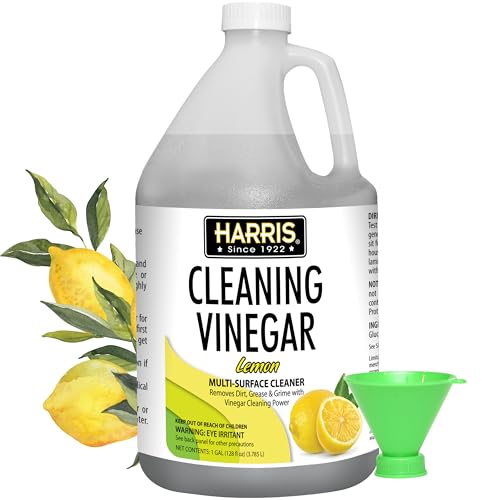
Powerful Cleaner - Vinegar has been used for hundreds of years as a cleaner because it works!
Vinegar And Water Solution
Mix equal parts of vinegar and water to create a powerful cleaning solution. Fill the kettle halfway with this mixture, then bring it to a boil. Let it sit for about 30 minutes after boiling. Once cool, pour out the solution and rinse the kettle thoroughly with fresh water. This method removes mineral deposits and helps eliminate odors.
Baking Soda And Water Paste
Combine three tablespoons of baking soda with a cup of water to form a paste. Apply the paste inside the kettle, focusing on any stained areas. Let it sit for 15-20 minutes, then scrub gently with a non-abrasive sponge. Rinse well with water. This method effectively cuts through stubborn stains while deodorizing your kettle.
Step-By-Step Cleaning Process
Cleaning the inside of your tea kettle is straightforward. Follow these steps to keep it fresh and free from mineral buildup.
Recommended Products

Electric Kettle Cleaning Solution: Still looking for a cleaning tool that can thoroughly clean your electric kettle? Come and try our electric kettle cleaning brush set! The retractable cleaning brush can clean the dirt at the bottom of the electric kettle, and the short straw brush can clean the stains remaining on the filter screen of the kettle mouth, making your electric kettle look brand new and ensuring that every cup of hot water is pure and free of impurities.

A Must-Have Kitchen Essential – Clean & Revive is specially designed to remove tough, ingrained stains from tea cups, coffee mugs, teapots, and flasks. Say goodbye to stains that dishwashers leave behind and restore your items to a like-new shine!

VERSATILE SET: Complete bottle cleaning kit includes 4 different brushes designed for various sizes of bottles, kettles, jugs, and pitchers
Gather Your Supplies
- White vinegar – use equal parts vinegar and water for effective cleaning.
- Baking soda – combine three tablespoons with a cup of water for stain removal.
- Soft sponge or cloth – choose one that won’t scratch your kettle’s interior.
- Water – fresh water helps with rinsing after cleaning.
Cleaning The Inside
- Vinegar Solution: Combine equal parts white vinegar and water in the kettle.
- Boil the Mixture: Bring the solution to a boil, then turn off the heat.
- Soak: Let the mixture sit for about 30 minutes to loosen mineral deposits.
- Scrub: Use a soft sponge to gently scrub any remaining stains.
- Rinse: Empty the kettle and rinse several times with fresh water until the vinegar odor is gone.
Alternatively, for tougher stains,
- Baking Soda Paste: Mix three tablespoons of baking soda and a cup of water.
- Apply: Spread the paste on the stained areas inside the kettle.
- Let it Sit: Allow it to sit for about 15 minutes.
- Scrub: Gently scrub the area with a soft sponge.
- Rinse: Empty the kettle and rinse thoroughly with clean water.
Both methods ensure a clean kettle, enhancing the flavor of your beverages. Regular cleaning maintains your kettle’s lifespan and keeps your drinks delicious.
Tips For Maintaining A Clean Kettle
- Clean Regularly: Schedule cleaning every few weeks to prevent mineral buildup. This keeps the kettle fresh and ensures clean-tasting drinks.
- Use Vinegar Solution: Mix equal parts white vinegar and water. Boil the mixture, then let it sit for 30 minutes. This method removes stubborn deposits.
- Try Baking Soda Paste: Combine three tablespoons of baking soda with one cup of water to create a paste. Apply it to stained areas, let it sit, then scrub gently before rinsing.
- Avoid Abrasive Materials: Stick to soft sponges or cloths. Scratchy materials can damage the interior surface and affect the kettle’s performance.
- Store with Care: Keep the kettle dry and store it in a clean, dry place when not in use. This prevents moisture buildup and mold growth.
- Rinse Thoroughly: Always rinse the kettle after cleaning. This removes any leftover cleaning solution and ensures no residual flavors impact your beverages.
- Monitor Water Quality: Use filtered water if your tap water contains high mineral levels. This reduces buildup and improves the overall taste of your drinks.
- Inspect Regularly: Check for debris or buildup before each use. Prompt attention to any issues ensures a consistently clean kettle.
Recommended Products
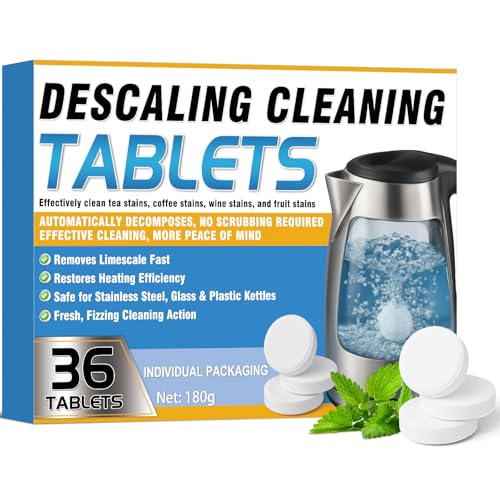
Powerful, Fast-Acting Descaling: Formulated with high-purity natural citric acid, our descaling tablets rapidly dissolve stubborn limescale, calcium deposits, and mineral buildup from the interior walls of your appliances. Simply drop in a tablet, fill with water, and let it work its magic—no strenuous scrubbing required. In just a few minutes, your electric kettle’s original heating efficiency will be fully restored.

EFFECTIVE LIMESCALE REMOVER: This liquid citric acid solution breaks down stubborn limescale and mineral deposits, helping restore your kettle’s performance with every clean.

Citric Acid Easily Removes Stubborn Limescale:JOYAONE kettle descaling tablets use an advanced natural citric acid formula, making this kettle descaler tablet an effective solution that uses citric acid for cleaning to dissolve and deeply penetrate stubborn mineral deposits and limescale buildup on the inner walls of kettles, helping to restore the container to a clean state without the need for repeated scrubbing.
Conclusion
Keeping your tea kettle clean is essential for enjoying the best flavors in your beverages. By incorporating simple cleaning methods like vinegar and baking soda, you can easily tackle mineral buildup and odors.
Regular maintenance not only enhances your drinking experience but also helps your kettle last longer. So make it a habit to check and clean your kettle every few weeks.
With just a little effort, you’ll ensure every cup of tea or coffee tastes fresh and delightful. Happy brewing!
Frequently Asked Questions
What causes strange tastes in tea or coffee?
Strange tastes in tea or coffee often result from mineral deposits and residue accumulating in the kettle. Regular cleaning is essential to prevent this buildup, ensuring that your beverages taste fresh and flavorful.
Why should I clean my tea kettle regularly?
Cleaning your tea kettle regularly prevents mineral buildup that can alter taste, reduces bacteria for healthier drinking, extends the kettle’s lifespan, and enhances the overall brewing experience.
What are effective cleaning methods for a kettle?
Two effective methods are using a vinegar and water solution and a baking soda paste. For vinegar, mix equal parts and boil, letting it sit for 30 minutes. For baking soda, create a paste, apply it to stains, let it sit, scrub gently, and rinse.
How can I properly clean my kettle?
To clean your kettle, gather supplies like white vinegar, baking soda, a soft sponge, and water. For vinegar, boil the solution and soak; for baking soda, apply the paste, scrub, and rinse thoroughly after soaking.
How often should I clean my tea kettle?
It’s advisable to clean your tea kettle every few weeks to prevent mineral buildup and ensure that your drinks taste clean and fresh. Regular maintenance is key for a good brewing experience.
What precautions should I take when cleaning my kettle?
Avoid using abrasive materials to clean your kettle, as they can damage the interior. Always rinse thoroughly after cleaning to remove any leftover cleaning solutions and check for buildup before each use.
How should I store my kettle to keep it clean?
Store your kettle in a dry place to prevent moisture buildup and mold growth. This practice helps maintain cleanliness and ensures your kettle is ready for use when needed.
Can water quality affect my kettle?
Yes, using filtered water can help reduce mineral buildup in your kettle. This not only enhances the flavor of your beverages but also minimizes the need for frequent cleaning.
