
Key Takeaways
- Importance of Cleaning: Regularly cleaning your Whirlpool dishwasher filter ensures efficient performance by preventing food debris from recirculating, resulting in cleaner dishes.
- Extended Lifespan: A well-maintained filter minimizes strain on the dishwasher, potentially prolonging its lifespan and reducing repair costs.
- Energy Efficiency: Keeping the filter clean optimizes energy use, which can lead to lower utility bills and improved eco-friendliness.
- Odor Reduction: Regular filter cleaning helps eliminate unpleasant odors caused by trapped food particles, keeping your kitchen fresh.
- Step-by-Step Process: Understand the steps to locate, remove, clean, and reinstall the filter to maintain its effectiveness and ensure proper functionality.
- Maintenance Tips: Implement monthly checks, proper loading techniques, and regular rinsing before loading dishes to keep the filter and dishwasher in optimal condition.
Do you ever notice your dishes aren’t coming out as clean as they should? A clogged dishwasher filter might be the culprit. It’s a common issue that many people face, but the good news is that cleaning it is a quick and easy task you can tackle yourself.
Importance Of Cleaning Your Dishwasher Filter
Cleaning your dishwasher filter plays a crucial role in maintaining efficient dishwasher performance. A clean filter prevents food debris from recirculating, ensuring your dishes come out spotless.
Regular filter cleaning enhances water circulation. Improved circulation maximizes cleaning effectiveness, allowing your dishwasher to reach all areas of your dishes. This results in cleaner, shining plates after each cycle.
Keeping the filter clean extends the lifespan of your dishwasher. Clogged filters lead to strain on the appliance, potentially causing breakdowns or costly repairs over time. A well-maintained filter reduces this risk significantly.
Dirt and grime buildup impacts the dishwasher’s energy efficiency. A clean filter fosters optimal energy use, which can lower your utility bills. Efficient dishwashing not only saves money but also improves your eco-friendliness.
Cleaning the filter also minimizes odors. Food particles trapped in the filter can create unpleasant smells. Regular maintenance eliminates these odors, keeping your kitchen fresh.
Overall, a clean dishwasher filter enhances performance, extends appliance life, reduces energy costs, and improves kitchen hygiene. Regular maintenance is a simple yet effective way to enjoy the full benefits of your dishwasher.
Tools Needed For The Task
Cleaning your Whirlpool dishwasher filter requires some basic supplies. Gather these tools before you start for a smooth process.
Recommended Cleaning Supplies
- Sponge: A non-abrasive sponge helps scrub the filter without causing damage.
- Dish Soap: Use a mild dish soap to break down grease and grime effectively.
- Soft-Bristled Brush: A toothbrush or soft-bristled brush works well for getting into small crevices.
- Bowl or Sink: A bowl or sink provides a place to soak and rinse the filter.
- Towel: A clean towel absorbs excess water, preventing messes during reassembly.
Safety Precautions
- Unplug the Dishwasher: Always unplug the appliance before starting any cleaning tasks.
- Wear Gloves: Protect your hands from detergent and any sharp edges with rubber or disposable gloves.
- Check for Sharp Objects: Inspect the filter area for broken glass or sharp utensils before cleaning.
- Use Caution with Water: Be mindful of slipping hazards when using water around electrical appliances.
Step-by-Step Guide On How To Clean A Whirlpool Dishwasher Filter
Cleaning your Whirlpool dishwasher filter is straightforward and enhances the performance of your appliance. Follow these steps for a successful cleaning experience.
Locating The Dishwasher Filter
- Open the Door: Start by opening your dishwasher door fully.
- Remove the Bottom Rack: Pull out the bottom dish rack to access the filter area easily.
- Find the Filter: Look at the bottom of the dishwasher for a circular or rectangular filter cover, usually located near the spray arm.
Removing The Filter
- Twist the Filter: Turn the filter counterclockwise to release it from its original position.
- Lift Out the Filter: Carefully pull the filter out. Be cautious to avoid forcing it, as that may cause damage.
Cleaning The Filter
- Rinse Under Water: Rinse the filter under warm running water. Use a soft-bristled brush to scrub away any stubborn debris.
- Soak If Needed: If the filter is heavily soiled, soak it in a bowl with warm water and mild dish soap for 10-15 minutes before rinsing.
- Wipe Down: Use a non-abrasive sponge to wipe down any nooks and crannies where food particles might hide.
Reinstalling The Filter
- Position the Filter: Place the clean filter back into its original location in the dishwasher.
- Twist to Secure: Turn the filter clockwise until it clicks into place.
- Replace the Bottom Rack: Slide the bottom rack back into the dishwasher.
Regularly cleaning your Whirlpool dishwasher filter ensures optimal performance and clean dishes every use.
Tips For Maintaining A Clean Dishwasher Filter
- Check Monthly: Inspect the filter at least once a month. Regular checks help catch any buildup before it becomes an issue.
- Use Proper Loading Techniques: Load dishes properly. Position larger items away from the filter to prevent debris from clogging it.
- Rinse Before Loading: Rinse off large food particles before placing dishes in the dishwasher. This reduces the amount of debris that goes into the filter.
- Run Hot Water Before Starting: Run the hot water faucet for a few moments before starting the dishwasher. This ensures the temperature is optimal for cleaning and helps dissolve grease.
- Avoid Harsh Chemicals: Steer clear of harsh cleaners when wiping down the filter. Stick to mild dish soap and a non-abrasive sponge to prevent damage.
- Allow to Dry Completely: After cleaning, give the filter time to dry completely before reinstalling. Moisture can trap debris and promote mold.
- Keep the Area Clean: Keep the dishwasher area free of clutter. A clean environment helps you notice issues faster and maintains performance.
- Schedule Deep Cleanings: Schedule deep cleanings every few months. Run an empty cycle with a dishwasher cleaner to help remove buildup from the interior.
- Know When to Replace: Be aware of the filter’s lifespan. If you notice persistent issues after cleaning, consider replacing the filter according to the manufacturer’s guidelines.
Incorporating these tips into your routine keeps your Whirlpool dishwasher filter clean and functioning effectively, leading to cleaner dishes and a happier kitchen environment.
Recommended Products

W10872845 pump filter and WPW10463906 screen filter compatible with Whirlpool, Kenmore, Amana, and Kitchenaied dishwasher.W10872845 whirlpool dishwasher filter replaces W10393354, WPW10693534, W10425171, W10455263, W10234631, W10393351, 8579307, W10465374, W10465373, W10465377, W10465379, W10056425, 4454491, AP6030094, PS11759673, EAP11759673. WPW10463906 whirlpool dishwasher filter replaces AP6021820, W10195360, 2312301, PS11755148,W10463906.

【W1872845 DISHWASHER PUMP FILTER REPLACEMENT】The W10872845 dishwasher pump filter cup replacement for Whirlpool, Kenmore, Kitchenaid, Amana, Inglis and Jenn Air Dishwasher. W10872845 replaces W10393354, W10425171, W10455263, W10234631, W10393351, 8579307, W10693534, W10465374, W10465373, W10465377, W10465379, W10056425,WPW10693534. Replaces 4454491, AP6030094, PS11759673, EAP11759673
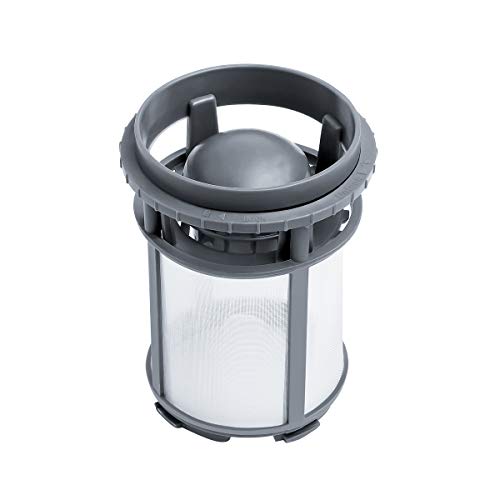
𝐂𝐎𝐌𝐏𝐀𝐓𝐈𝐁𝐋𝐄 𝐌𝐎𝐃𝐄𝐋𝐒 - Funmit W10872845 dishwasher filter replacement is fully compatible with Whirlpool, Kenmore, Amana, and Kitchenaied dishwasher. W10872845 is equivalent to W10393354, WPW10693534, W10425171, W10455263, W10234631, W10393351, 8579307, W10693534, W10465374, W10465373, W10465377, W10465379, W10056425. Replaces part# 4454491, AP6030094, PS11759673, EAP11759673 (Contact us if you are not clear the models, and we are here to help within 24 hours)
Conclusion
Cleaning your Whirlpool dishwasher filter is a small task that can make a big difference in your kitchen. By keeping the filter clean you’ll ensure your dishes come out sparkling every time. Plus it helps your dishwasher run efficiently and last longer.
Make it a habit to check and clean the filter regularly. With just a few simple steps you can avoid clogs and maintain a pleasant kitchen environment. Remember to follow the tips for ongoing maintenance and enjoy the benefits of a well-functioning dishwasher. Happy cleaning!
Frequently Asked Questions
Why are my dishes not coming out clean from the dishwasher?
A common reason for dirty dishes is a clogged dishwasher filter. Food debris can accumulate in the filter, preventing proper water circulation and leaving dishes less clean. Regular filter cleaning is essential for optimal dishwashing performance.
How do I clean my Whirlpool dishwasher filter?
To clean your Whirlpool dishwasher filter, first unplug the appliance for safety. Locate the filter, remove it, and rinse it under running water. For heavy soil, soak it in warm, soapy water. Finally, let it dry and reinstall it securely.
How often should I clean the dishwasher filter?
It’s recommended to check and clean the dishwasher filter at least once a month. Regular maintenance prevents buildup of debris, ensuring efficient cleaning during each cycle and prolonging the life of your appliance.
What tools do I need to clean the dishwasher filter?
You will need a non-abrasive sponge, mild dish soap, a soft-bristled brush, a bowl or sink for soaking, and a towel for drying. These tools make the cleaning process effective and risk-free.
Are there any safety precautions I should take?
Yes, always unplug the dishwasher before cleaning. Wear gloves to protect your hands, check for sharp objects in the filter, and be cautious with water to prevent slips. Safety is crucial during the cleaning process.
Can I avoid dirty dishes by loading the dishwasher properly?
Yes, proper loading techniques can minimize food debris on dishes. Rinse dishes before loading, avoid overcrowding, and ensure water can circulate freely. This helps keep your filter cleaner and improves overall washing effectiveness.
What should I do if my dishwasher still smells bad?
If your dishwasher has unpleasant odors, it may indicate food buildup. In addition to cleaning the filter, check other areas like the drain and spray arms. Running a hot vinegar or baking soda cycle can also help eliminate odors.
When should I replace the dishwasher filter?
If the filter is damaged, excessively clogged, or shows signs of wear and tear, you should replace it. Regular maintenance will help you identify any issues early, ensuring your dishwasher operates efficiently.
