
Key Takeaways
- Regular Cleaning is Essential: Consistent cleaning after each use prevents rust formation and maintains the sharpness of carbon steel knives.
- Use the Right Tools: Employ non-abrasive sponges, mild dish soap, white vinegar, and food-safe mineral oil for effective cleaning while protecting the knife’s surface.
- Follow a Step-by-Step Process: Begin with an initial rinse, apply cleaning solutions, scrub gently, then rinse and dry immediately to prevent moisture buildup.
- Establish a Maintenance Routine: Create a schedule for regular cleaning to extend the knife’s lifespan and keep it looking great, especially after using acidic foods.
- Proper Storage is Key: Store knives in a safe environment using knife blocks, magnetic strips, or sheaths, and apply mineral oil for long-term protection against rust.
Do you ever find yourself staring at your carbon steel knife, unsure of how to keep it in top shape? You’re not alone. Many home cooks love these knives for their sharpness and durability but struggle with the maintenance that keeps them looking and performing their best.
Importance Of Cleaning Carbon Steel Knives
Cleaning carbon steel knives serves several key purposes. Maintaining their sharpness and preventing rust are vital for extending the knife’s lifespan.
Prevent Rust Formation
Carbon steel knives are prone to rust due to moisture exposure. Cleaning them immediately after use removes food particles and moisture, preventing corrosion. Wiping the blade with a dry cloth after washing keeps it dry and reduces rust risk.
Maintain Sharpness
Regular cleaning helps maintain edge sharpness. Residue builds up on the blade, dulling the edge over time. Proper cleaning removes these residues, ensuring your knife cuts effectively.
Enhance Aesthetic Appeal
A clean carbon steel knife looks visually appealing. Dirt and stains detract from its beauty. Regular cleaning and polishing maintain its shine and make it an attractive kitchen tool.
Ensure Safety
Cleaning your knife prevents bacteria growth from leftover food. A clean surface reduces the risk of contamination, ensuring safe food preparation.
Increase Resale Value
Well-maintained carbon steel knives retain their value. Proper cleaning and care enhance resale chances if you decide to upgrade. Potential buyers appreciate a knife that appears well cared for.
By cleaning your carbon steel knives regularly, you ensure they perform optimally, appear beautiful, and last longer.
Tools And Materials Needed
Cleaning your carbon steel knife requires specific tools and materials for effective maintenance. Using the right supplies helps ensure a thorough clean without damaging the knife.
Cleaning Solutions
- Mild Dish Soap: Use a gentle dish soap mixed with warm water. This solution removes food residues without harming the blade.
- Vinegar: Utilize white vinegar for its natural acidity. It effectively cuts through grease and helps prevent rust.
- Baking Soda: Create a paste with baking soda and water. It serves as a gentle abrasive for stubborn stains.
- Mineral Oil: Use food-safe mineral oil after cleaning. It helps protect the knife from moisture and rust.
Cleaning Tools
- Soft Sponge: Select a non-abrasive sponge to prevent scratches. This tool lifts grime without damaging the blade.
- Microfiber Cloth: Keep a microfiber cloth handy for drying and polishing. It leaves a streak-free shine.
- Soft-Bristled Brush: Use a soft brush, like a toothbrush, for detailed cleaning around rivets or intricate areas.
- Rag: A clean, dry rag works well for wiping down the knife after washing. This step is crucial to prevent moisture buildup.
- Cutting Board: Place the knife on a stable cutting board during cleaning for safety and ease of use.
Having these tools and materials ready makes the cleaning process straightforward and efficient, ensuring your carbon steel knife remains in excellent condition.
Step-By-Step Guide On How To Clean Carbon Steel Knife
Cleaning your carbon steel knife properly extends its lifespan and maintains its performance. Follow these steps for optimal results.
Recommended Products
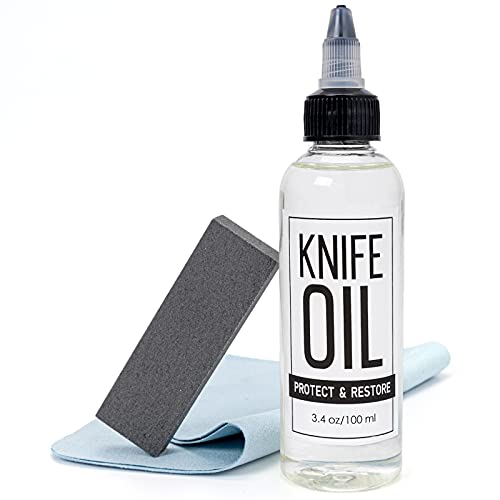
Professional Maintenance Oil: Specifically designed to maintain steel and carbon steel kitchen knives from rust and wear. Our blade oil works wonders on any type of blade, providing superior protection for your knife blades. A perfect kitchen knife oil for kitchen knives and a perfect knife oil lubricant for pocket knives, gardening equipment, and more.

Knife Oil Rust Eraser Kit: this maintenance set includes 2 rust remover for knives, 100 black cotton swabs, 2 pairs of black gloves, 2 bottles of tool sword maintenance oil (50ml each), and 2 dark gray microfiber cloths, everything you need to keep your blades in pristine condition; Ideal for knives, swords, katanas, and other metal tools, this kit ensures anti-rust lubrication, derusting, and long term protection
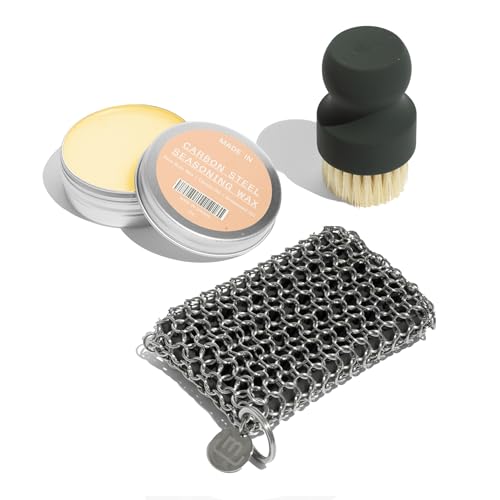
Includes: Chain Mail Scrubber | Beechwood Wooden Cleaning Brush | Carbon Steel Seasoning Wax
Initial Rinse
Rinse your knife under warm running water, ensuring all surface debris and food particles are removed. Focus on areas near the blade, especially around the tang and handle. This initial wash prepares your knife for deeper cleaning.
Applying Cleaning Solution
Mix mild dish soap with warm water in a small bowl. Dip a non-abrasive sponge into the solution. Gently scrub the blade using the sponge, ensuring you cover the entire surface. For tough grease, white vinegar can also be used. Apply it to the sponge, targeting greasy sections.
Scrubbing And Removing Residue
Use a soft-bristled brush to tackle stubborn stains. Brush in gentle motions along the blade, especially in crevices. If using baking soda paste, apply it directly to the stained areas. Let it sit for a few minutes before scrubbing to allow the paste to penetrate the residue.
Rinsing And Drying
Thoroughly rinse the knife under warm water to remove all soap, vinegar, or baking soda. Be sure to clean both sides and the handle. Once all cleaning agents are off, dry the knife immediately with a microfiber cloth. Ensure it’s completely dry to prevent rusting. Store the knife in a safe place, ideally with some mineral oil applied to protect its surface.
Maintenance Tips For Carbon Steel Knives
Maintaining carbon steel knives is crucial for their longevity and performance. Follow these tips to keep your knives in top shape.
Regular Cleaning Schedule
Establish a cleaning routine to prevent rust and buildup. Clean your carbon steel knife after each use, especially if it has come into contact with acidic foods like tomatoes or citrus. Rinse the knife under warm water to remove food particles. Apply a solution of mild dish soap mixed with warm water, and scrub the blade gently with a non-abrasive sponge. Aim to clean your knives immediately after use, ensuring they stay sharp and pristine.
Proper Storage Techniques
Store your carbon steel knives properly to prevent damage and rust. Use a knife block, magnetic strip, or knife sheath to keep blades safe and dry. Avoid storing knives in a drawer where they may contact other utensils, leading to scratches. If you plan to store the knife for an extended period, apply a thin layer of mineral oil to the blade. This layer protects against moisture and maintains the knife’s shine. Always ensure the knife is completely dry before storage to minimize any risk of corrosion.
Conclusion
Taking care of your carbon steel knife doesn’t have to be complicated. With the right tools and a little bit of effort, you can keep your knife looking great and performing at its best. Remember to clean it after each use and store it properly to prevent rust and damage.
Establishing a routine will not only enhance the knife’s lifespan but also make cooking more enjoyable. A well-maintained knife is a joy to use and an investment in your kitchen. So grab your supplies and give your carbon steel knife the care it deserves. Happy cooking!
Frequently Asked Questions
Why is it important to clean carbon steel knives regularly?
Cleaning carbon steel knives regularly helps prevent rust formation, maintain sharpness, enhance appearance, reduce bacteria growth, and increase resale value. Proper cleaning ensures the knives perform well and last longer.
What cleaning solution should I use for carbon steel knives?
A mild dish soap mixed with warm water is ideal for general cleaning. For cutting through grease and preventing rust, white vinegar can be effective. Baking soda paste works well for stubborn stains.
What tools do I need to maintain carbon steel knives?
Essential tools include a non-abrasive sponge, a soft-bristled brush for stubborn stains, a microfiber cloth for drying and polishing, a clean rag, and a stable cutting board to ensure safety during cleaning.
How should I store carbon steel knives to prevent damage?
Store carbon steel knives in a knife block, on a magnetic strip, or in a knife sheath. Applying a thin layer of mineral oil before extended storage helps protect against moisture and maintains shine.
Is there a step-by-step guide for cleaning carbon steel knives?
Yes, start with a rinse under warm running water, apply a mild soap solution, scrub with a non-abrasive sponge, and rinse thoroughly. Dry immediately with a microfiber cloth and consider applying mineral oil for added protection.
How often should I clean my carbon steel knives?
It’s best to clean your carbon steel knives after each use, especially after cutting acidic foods. Regular cleaning helps maintain their performance and prevents rust and damage.
