
Key Takeaways
- Regular Cleaning is Essential: Clean your dish drying mat weekly to prevent bacteria buildup and unpleasant odors.
- Follow Care Instructions: Always check and adhere to the washing instructions on the mat’s label to avoid damaging the material.
- Avoid Harsh Chemicals: Use mild detergents and avoid bleach, as harsh chemicals can degrade the mat and cause discoloration.
- Proper Air Drying: Always air dry your mat instead of using a dryer to maintain its structure and absorbency.
- Control Moisture Levels: Only place moderately wet dishes on the mat to reduce over-saturation and prevent mold growth.
- Rotate Your Mat: Change the position of your mat regularly to promote even wear and extend its lifespan.
Have you ever noticed that your dish drying mat starts to smell or look grimy after a while? You’re not alone. Many people overlook this handy kitchen accessory, but keeping it clean is essential for maintaining a fresh and hygienic space.
Understanding Dish Drying Mats
Dish drying mats serve a vital role in your kitchen by absorbing water from clean dishes and providing a soft surface to prevent scratches. They typically consist of a microfiber top layer and an absorbent core, which makes them effective at quick drying.
You might notice that repeated use can lead to unpleasant odors and staining. The buildup of moisture, food particles, and grease can create a breeding ground for bacteria. Regular cleaning helps maintain their effectiveness.
Recommended Products
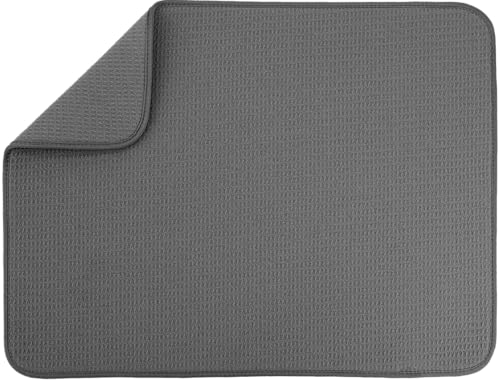
One microfiber dish dry Mat XL measuring 18 in. x 24 in.; kitchen mat for countertop absorbs up to 4 times its weight in water to keep your countertop dry, unlike a silicone dish drying mat

Absorbent And Multifunctional: WISELIFE dish drying mat is made of high-quality materials that absorb water quickly, leaving your dishes and kitchen countertops dry; the multifunctional drying mat can be placed anywhere you want to absorb water

INSTANT WATER ABSORPTION: Crafted with high-density microfiber and a foam core, this dish mat rapidly and evenly absorbs up to 4 times its weight in water. It efficiently catches drips from dishes, produce, or utensils, keeping your countertop clean. Say goodbye to soggy towels and wet surfaces.
Choosing the Right Material
Selecting the right material impacts both durability and ease of cleaning. Some mats are machine washable, while others require hand washing. Look for mats labeled as “quick-dry” or “anti-microbial,” as these features can reduce odors and bacteria growth.
Dos and Don’ts in Maintenance
- Do clean your mat every week to prevent buildup.
- Do follow care instructions on the label.
- Don’t use bleach or harsh chemicals, as these can degrade the material.
- Don’t dry your mat in the dryer unless specified; air drying is often the safest choice.
Tips for Preventing Odors
- Allow the mat to air out between uses by hanging it or laying it flat.
- Use baking soda for deodorizing; sprinkle it on the mat, let it sit for a few hours, then shake off the excess.
- Ensure your dishes are not excessively wet before placing them on the mat to minimize moisture retention.
By understanding the structure and maintenance of dish drying mats, you can prolong their lifespan and keep your kitchen environment fresh and hygienic.
Materials Used in Dish Drying Mats
Dish drying mats typically consist of multiple layers, each designed for specific functions. Understanding these materials helps you choose a mat that meets your needs.
Top Layer Materials
- Microfiber: Soft and absorbent, microfiber effectively pulls moisture away from dishes. It’s gentle on glassware and prevents scratching.
- Cotton: Some mats feature a cotton top layer, providing similar absorbency and softness while being machine washable.
Core Materials
- Foam: Often found in the core, foam adds cushioning and enhances absorbency. It allows the mat to retain water efficiently.
- Polyester Blends: These materials enhance durability and drying speed. Polyester blends resist wear and can prolong the mat’s lifespan.
Backing Materials
- Anti-Slip Rubber: Many mats include a rubber backing to prevent slipping. This feature ensures stability on countertops and protects your surfaces.
- Waterproof Layers: Some mats incorporate waterproof layers to prevent moisture from seeping through to your countertop, protecting it from water damage.
Safety Tips for Cleaning
- Use Mild Detergents: Choose gentle detergents to avoid damaging the material’s fibers. Harsh chemicals can lead to deterioration.
- Avoid Bleach: Bleach can weaken the fibers and change the mat’s color. Stick to safer alternatives for stains and odors.
- Air Dry: Allow the mat to air dry instead of using the dryer. High heat can damage the materials and affect their performance.
By knowing the materials used in dish drying mats and following safety tips for cleaning, you can maintain a hygienic and effective drying surface for your dishes.
Step-by-Step Guide on How to Clean Dish Drying Mat
Cleaning your dish drying mat keeps it fresh and free from bacteria. Follow these straightforward methods to ensure your mat remains in top shape.
Hand Washing Method
- Prepare the Area: Lay the mat on a flat surface, preferably in your sink or tub.
- Gather Supplies: Use mild dish soap, a soft sponge or cloth, and warm water.
- Mix Solution: Combine a few drops of dish soap with warm water in a bowl or basin.
- Scrub the Mat: Dip the sponge in the soapy water and gently scrub the surface of the mat. Focus on any stained or smelly areas.
- Rinse Thoroughly: Use clean water to rinse away the soap. Ensure no residue remains, as soap can attract dirt.
- Air Dry: Hang the mat or lay it flat on a clean surface to air dry completely. Avoid using a dryer, as heat can damage the materials.
Machine Washing Method
- Check Labels: Verify that your mat is machine washable by checking the care instructions.
- Prepare for Washing: Shake out any food debris or particles from the mat.
- Load the Washer: Place the mat in the washing machine along with a few towels to help balance the load.
- Select Settings: Use a gentle cycle with cold water. Add a mild detergent—avoid bleach or fabric softeners as they can harm the material.
- Dry Carefully: After the wash, remove the mat promptly. Air dry it flat or hang it up. Do not put it in the dryer.
Regular cleaning through these methods ensures your dish drying mat remains effective and hygienic.
Tips for Maintaining Your Dish Drying Mat
Regular Cleaning Schedule
- Clean your dish drying mat weekly. This practice prevents odors and bacteria growth.
- Check the care instructions before cleaning. Ensure you’re following the manufacturer’s recommendations for washing.
Air Drying Techniques
- Air dry your mat after washing. This method preserves the material and prevents wear and tear.
- Hang the mat over a rack or lay it flat on a clean surface. Ensure it’s fully dry before using it again.
Avoiding Harsh Chemicals
- Skip bleach and harsh chemicals. These can damage the fabric and lessen its absorbent properties.
- Use mild detergents for cleaning. Gentle cleaners are tough on grime but safe for your mat.
Preventing Odors
- Air out your mat after each use. Lay it flat or hang it up to promote airflow.
- Deodorize with baking soda. Sprinkle a thin layer, let it sit for 15 minutes, then shake it off.
Proper Usage Techniques
- Place only moderately wet dishes on the mat. Excess moisture leads to quicker saturation and less effective drying.
- Rotate your mat regularly. Different areas can wear differently, so change its position to promote even use.
Material Care
- Choose mats with moisture-wicking properties. Quick-dry and anti-microbial mats resist odors better than regular ones.
- Inspect your mat for wear and tear. Replace it if you see significant damage to maintain effectiveness.
By following these tips, you maintain a clean and effective dish drying mat, contributing to a fresh kitchen environment.
Common Mistakes to Avoid
Cleaning your dish drying mat effectively requires attention to detail. Avoid these common mistakes to enhance its longevity and performance.
- Ignoring Care Labels
Check the care label before cleaning. Using improper settings can damage the mat’s material and absorbency.
- Using Harsh Chemicals
Soft detergents work best. Strong chemicals can degrade the mat and lead to unpleasant odors.
- Neglecting Regular Cleaning
Clean the mat weekly at minimum. Skipping this allows bacteria and odors to build up over time.
- Not Air Drying Properly
Always air dry your mat. Using a dryer can shrink or warp the material, reducing its effectiveness.
- Placing Excessively Wet Dishes
Ensure dishes are only moderately wet before placing them on the mat. This prevents over-saturation and quickens the growth of mold.
- Overlooking Visible Damage
Regularly check for rips or stains. Damaged mats should be replaced, as they can harbor bacteria.
- Forgetting to Rotate the Mat
Occasionally rotate your mat’s position. This helps distribute wear evenly and prolongs its lifespan.
By avoiding these mistakes, you can maintain a hygienic and effective dish drying mat.
Conclusion
Keeping your dish drying mat clean is essential for a fresh and hygienic kitchen. By following simple cleaning methods and maintenance tips you can extend its lifespan and prevent unpleasant odors. Remember to choose the right materials and establish a regular cleaning routine to keep things in top shape.
With just a little effort you’ll ensure that your dish drying mat remains a reliable companion in your kitchen. So go ahead and give it the care it deserves and enjoy a cleaner space for your dishes.
Frequently Asked Questions
Why do dish drying mats become smelly over time?
Dish drying mats can become smelly due to moisture, food particles, and grease accumulating after repeated use. The combination of these elements can foster bacteria growth, leading to unpleasant odors.
How often should I clean my dish drying mat?
It is recommended to clean your dish drying mat weekly to prevent odors and maintain hygiene. Regular cleaning helps ensure a fresh and safe environment for drying clean dishes.
Can I machine wash my dish drying mat?
Many dish drying mats are machine washable, but it’s essential to check the care label first. Use a gentle cycle and air dry afterward to preserve the mat’s effectiveness and integrity.
What materials should I look for in a dish drying mat?
Choose dish drying mats made of microfiber or cotton for absorbency, with a core of foam or polyester for cushioning. Look for mats labeled as “quick-dry” or “anti-microbial” for better odor resistance.
How can I prevent odors in my dish drying mat?
To prevent odors, allow your mat to air out, sprinkle baking soda on it for deodorizing, and ensure dishes are not excessively wet before placing them on the mat.
What cleaning supplies should I use for my dish drying mat?
Use mild detergents and avoid bleach or harsh chemicals when cleaning your dish drying mat. This helps maintain the mat’s material integrity and prolongs its life.
How can I safely hand wash my dish drying mat?
To hand wash, create a soapy solution, scrub the mat gently, rinse thoroughly, and let it air dry. This method effectively cleans without damaging the material.
What are common mistakes to avoid when caring for dish drying mats?
Common mistakes include neglecting care labels, using harsh chemicals, failing to clean regularly, and placing excessively wet dishes on the mat. Avoiding these can enhance the mat’s lifespan and performance.
