
Key Takeaways
- Understand Mold Causes: Mold thrives in dishwashers due to moisture accumulation, leftover food, high humidity, and infrequent use. Recognizing these factors is key to prevention.
- Health Risks: Exposure to mold can lead to allergic reactions and respiratory problems. Regular cleaning minimizes health risks associated with mold growth.
- Cleaning Essentials: Use white vinegar, baking soda, soft cloths, and small brushes for effective mold removal. Always unplug the dishwasher for safety before cleaning.
- Cleaning Process: Remove dishes and racks, clean the filter, wipe interior surfaces with a vinegar solution, and run a hot cycle with vinegar to eliminate mold.
- Preventive Measures: Conduct regular maintenance like checking for residue, running hot cycles weekly, and leaving the door ajar post-use to minimize moisture and mold growth.
- Best Practices: Load the dishwasher properly, choose quality detergents, check the drain, and consider humidity control to ensure a mold-free environment.
Have you ever opened your dishwasher only to be greeted by a musty smell or dark spots? You’re not alone. Mold can easily sneak into your appliance, turning your once sparkling-clean dishwasher into a breeding ground for bacteria.
Understanding Mold in Dishwashers
Mold can thrive in dishwashers, creating an unappealing environment and leaving unpleasant odors. Knowing the causes and potential health risks associated with mold helps you maintain a cleaner appliance.
Common Causes of Mold Growth
- Moisture Accumulation: Excess water inside the dishwasher, especially in hidden areas, fosters mold growth. Ensure you check and clean filters regularly.
- Food Residue: Leftover food particles on dishes or in the dishwasher can become breeding grounds for mold. Rinsing dishes before loading prevents this.
- High Humidity: Dishwashers in humid environments promote mold development. Ventilation around your appliance can improve air circulation.
- Infrequent Use: Dishwashers that sit unused for days can develop mold. Running a cycle with vinegar monthly helps combat this issue.
Health Risks Associated with Mold
- Allergic Reactions: Mold exposure can trigger symptoms like sneezing, nasal congestion, or skin irritation. Those with allergies are more susceptible.
- Respiratory Problems: Breathing in mold spores can exacerbate asthma or other respiratory conditions. Proper cleaning reduces these risks.
- Toxic Mold: Certain mold types can produce mycotoxins, leading to more severe health issues. Regular maintenance keeps these molds at bay.
By understanding these factors, you can take effective steps to prevent mold and ensure a cleaner, healthier dishwasher.
Preparing to Clean Your Dishwasher
Cleaning your dishwasher requires a few essential supplies and adherence to safety guidelines. This preparation ensures an effective and safe cleaning experience.
Recommended Products

VERSATILE PANTRY STAPLE: Perfect for cooking, pickling, marinating, and enhancing your favorite recipes with a crisp, tangy flavor.

VERSATILE PANTRY STAPLE: Perfect for cooking, pickling, marinating, and enhancing your favorite recipes with a crisp, tangy flavor.
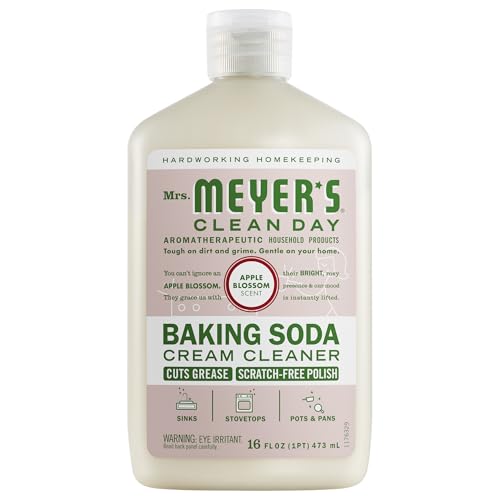
Mrs. Meyer’s Baking Soda Cream Cleaner removes soap scum and grease build-up to make your kitchen sparkle
Required Supplies and Tools
Gather the following supplies before starting the cleaning process:
- White vinegar: Use this as a natural cleaner to eliminate mold and odors.
- Baking soda: Apply this for added scrubbing power and freshening.
- Soft cloths or sponges: Choose these to wipe surfaces without scratching.
- Toothbrush or small brush: Utilize this for hard-to-reach areas and crevices.
- Screwdriver: Keep this handy if you need to remove any parts for thorough cleaning.
Safety Precautions to Consider
Take important safety precautions to ensure a smooth cleaning process:
- Unplug the dishwasher: Disconnect the power before starting any cleaning to avoid electrical hazards.
- Wear gloves: Protect your skin from possible irritants in cleaning solutions.
- Ventilate the area: Open windows to allow fresh air in while cleaning chemical odors dissipate.
- Avoid mixing cleaners: Stick to one type of cleaner to prevent dangerous reactions between chemicals.
By preparing adequately, you’ll optimize your cleaning efforts and maintain a healthier dishwasher.
Step-by-Step Guide on How to Clean Mold Out of Dishwasher
Follow these steps to effectively remove mold from your dishwasher and keep it clean.
Removing Dishes and Racks
Start by taking out all dishes, utensils, and racks from the dishwasher. This creates a clear workspace, allowing you to access all areas. Check for any remaining food particles on the racks and remove them. Keeping the environment clean aids in preventing mold growth.
Cleaning the Filter
Next, locate the filter at the bottom of your dishwasher. Remove it by twisting or pulling, depending on your model. Rinse it under warm water to eliminate debris and mold. If necessary, scrub it gently with a toothbrush. Make sure it’s completely dry before placing it back into the appliance.
Wiping Down Interior Surfaces
Wipe down the interior surfaces of the dishwasher using a soft cloth or sponge. Dampen the cloth with a mixture of equal parts white vinegar and water. Focus on the door, walls, and any crevices where mold might hide. This solution cuts through mold and leaves a fresh scent. For stubborn spots, sprinkle baking soda directly on the affected area and scrub with the toothbrush.
Running a Cleaning Cycle
After cleaning, run an empty dishwasher cycle with a cup of white vinegar on the top rack. Set your dishwasher to a hot water cycle. This helps eliminate any remaining mold and deodorizes the appliance. If necessary, repeat this cycle with baking soda for added freshness.
By following these steps, you can maintain a mold-free dishwasher and ensure a healthier kitchen environment.
Preventing Future Mold Growth
Preventing mold growth in your dishwasher requires a few simple habits. Consistent maintenance and mindful use keep the appliance fresh and clean.
Regular Maintenance Tips
- Check for Residue: Inspect the filter and spray arms after each use. Remove food particles or debris to prevent buildup.
- Run Hot Cycles: Run your dishwasher on a hot cycle weekly. This helps wash away residue and reduce moisture.
- Use Vinegar Monthly: Place a cup of white vinegar on the top rack and run a cycle. Vinegar cuts through grime and neutralizes odors.
- Leave the Door Ajar: After cycles, slightly open the door for ventilation. This lowers humidity and helps with drying.
- Clean the Exterior: Wipe down the door seal and exterior surfaces with a cloth. This minimizes mold growth points.
Best Practices for Dishwasher Use
- Load Properly: Avoid overcrowding the dishwasher. Proper placement ensures water reaches all surfaces.
- Choose the Right Detergent: Use a high-quality detergent designed for dishwashers. It promotes effective cleaning and mold prevention.
- Avoid Non-Dishwasher-Safe Items: Don’t put items like wooden utensils or certain plastics inside. They can retain moisture and foster mold.
- Check the Drain: Ensure the drain is clear. An obstructed drain traps water and increases mold risk.
- Monitor Humidity: If humidity is high in your kitchen, consider using a dehumidifier. This helps control moisture levels.
By adopting these practices, you maintain a mold-free environment in your dishwasher. Regular attention prevents issues before they arise.
Conclusion
Keeping your dishwasher mold-free is essential for a clean and healthy kitchen. By following the steps outlined and maintaining a regular cleaning schedule, you can prevent mold from becoming a recurring issue.
Remember to stay proactive by checking for food residue and running hot cycles weekly. A little effort goes a long way in ensuring your dishwasher remains in top shape.
With these tips in your toolkit, you can enjoy a fresh and odor-free appliance for years to come. Happy dishwashing!
Frequently Asked Questions
What causes mold to grow in dishwashers?
Mold in dishwashers typically occurs due to moisture accumulation, leftover food residues, high humidity, and infrequent use. These conditions create an ideal environment for mold and bacteria to thrive, leading to unpleasant odors and potential health risks.
How can I safely clean mold out of my dishwasher?
To clean mold from your dishwasher, start by removing all dishes and racks. Clean the filter, wipe down surfaces with a vinegar-water solution, and run an empty cycle with white vinegar to deodorize and eliminate remaining mold.
What supplies do I need to clean my dishwasher?
Essential supplies include white vinegar, baking soda, soft cloths, a toothbrush, and a screwdriver. These items will help you effectively clean and maintain your dishwasher while ensuring safety throughout the process.
How can I prevent future mold growth in my dishwasher?
Prevent mold growth by maintaining consistent cleaning habits: check for residues, run hot cycles weekly, use vinegar monthly, leave the door ajar for ventilation, and clean the exterior regularly. Proper loading and monitoring humidity levels are also crucial.
Are there health risks associated with mold in dishwashers?
Yes, mold in dishwashers can pose health risks, including allergic reactions, respiratory problems, and exposure to toxic mold. Ensuring a clean and mold-free appliance is essential for maintaining a healthy kitchen environment.
