
Key Takeaways
- Understanding Ceramic Composition: Ceramic frying pans are made from aluminum with a silica-based non-stick coating, offering a healthier cooking alternative.
- Benefits of Usage: These pans require less oil for cooking, provide versatile use, and are easy to clean due to their non-stick surfaces.
- Proper Cleaning Techniques: Clean ceramic pans gently with warm, soapy water, avoiding abrasives, and consider using baking soda or vinegar for tough stains.
- Utensil Recommendations: Use silicone, wooden, or plastic utensils to prevent scratches and preserve the integrity of the ceramic coating.
- Maintenance Practices: Avoid high heat, store with protective layers, and clean immediately after use to prolong the lifespan of your ceramic frying pan.
- Inspection and Care: Regularly check for wear and address any damage promptly to maintain the performance of your cookware.
Ever wondered how to keep your ceramic frying pan looking brand new? If you’ve ever faced stubborn stains or stuck-on food, you’re not alone. Many people struggle with maintaining their cookware, and it can feel frustrating when your favorite pan doesn’t perform as it should.
Understanding Ceramic Frying Pans
Ceramic frying pans are popular for their non-stick properties and aesthetic appeal. These pans feature a ceramic coating that offers a healthier cooking option without the dangers associated with some traditional non-stick coatings. Understanding their composition and care requirements ensures that your cookware lasts for years.
Composition of Ceramic Frying Pans
Ceramic frying pans typically consist of an aluminum or hard-anodized aluminum base. The ceramic coating is made from silica, a natural material. This eco-friendly coating provides a smooth surface that promotes easy food release. Without chemical additives or PTFE, ceramic pans offer a safer alternative for cooking.
Benefits of Ceramic Frying Pans
- Healthier Cooking: Ceramic surfaces require less oil or butter, meaning fewer calories in your meals.
- Versatility: Use them on the stovetop or in the oven. Most ceramic frying pans can withstand high temperatures, making them suitable for various cooking methods.
- Easy Cleanup: The non-stick surface prevents food from sticking, simplifying post-meal cleanup.
Considerations When Using Ceramic Frying Pans
- Heat Sensitivity: Avoid using high heat settings, as extreme temperatures can damage the ceramic coating.
- Utensils: Opt for silicone, wooden, or plastic utensils to prevent scratching the surface. Metal utensils can lead to wear and tear.
- Storage: Store ceramic frying pans carefully, stacking them with protective layers to avoid chipping.
How to Maintain Ceramic Frying Pans
Routine care keeps your ceramic frying pans in excellent condition. To maintain the non-stick surfaces:
- Gentle Cleaning: Clean after each use with warm, soapy water. Avoid abrasive cleaners and steel wool.
- Preventing Scratches: Use soft sponges, and avoid soaking them for long periods.
- Avoid Cooking Spray: Cooking sprays can build up on ceramic surfaces, leading to a sticky finish over time.
By understanding the construction, advantages, and maintenance techniques for ceramic frying pans, you enhance your cooking experience and prolong the lifespan of your cookware.
Essential Cleaning Tools
To keep your ceramic frying pan in top condition, using the right cleaning tools makes a difference. Efficient cleaning tools simplify the process and help maintain the pan’s surface.
Recommended Cleaners
Use gentle cleaners specifically designed for ceramic cookware. Consider these options:
- Mild Dish Soap: A few drops mixed with warm water offers effective cleaning without damage.
- Baking Soda Paste: Combine baking soda with a little water to form a paste for scrubbing tough stains.
- White Vinegar Solution: Mix equal parts of water and vinegar for a natural, effective cleaner.
Cleaning Utensils
Choose soft cleaning utensils that won’t scratch the ceramic surface. Here are some recommended tools:
- Soft Sponge: A non-abrasive sponge helps remove food residue without harming the pan.
- Microfiber Cloth: Use a microfiber cloth for drying and giving a shiny finish.
- Plastic Scraper: A plastic scraper loosens stuck-on bits without damaging the coating.
Using these recommended cleaners and utensils ensures your ceramic frying pan stays in excellent shape, enhancing your cooking experience.
Step-by-Step Cleaning Process
Cleaning your ceramic frying pan correctly ensures its longevity and maintains its non-stick surface. Follow these simple steps for effective cleaning.
Pre-Cleaning Preparation
- Cool Down: Allow the pan to cool completely. Placing a hot ceramic pan in cold water may cause damage.
- Scrape Off Food: Use a plastic scraper to gently remove stuck-on food. Avoid using metal utensils, as they can scratch the surface.
- Gather Supplies: Collect necessary cleaning supplies. You’ll need mild dish soap, warm water, a non-abrasive sponge, and optional baking soda or vinegar for tough stains.
Cleaning Instructions
- Fill with Warm Water: Add warm, soapy water to the pan and let it soak for 10-15 minutes.
- Wipe Down the Surface: Use a non-abrasive sponge to clean the pan’s interior, applying gentle pressure. Refrain from using steel wool or harsh scrubbers.
- Treat Stubborn Stains: For tough stains, create a baking soda paste by mixing baking soda with a small amount of water. Apply this paste to the stain and let it sit for 10-20 minutes before scrubbing gently.
- Rinse Thoroughly: Rinse the pan under warm running water to remove soap and any cleaning residue. Make sure no baking soda or vinegar appears on the surface afterward.
- Dry Completely: Wipe the pan dry with a microfiber cloth or allow it to air dry completely before storing.
By following these steps, you can keep your ceramic frying pan in excellent condition, ready for your next culinary adventure.
Maintenance Tips for Longevity
Caring for your ceramic frying pan ensures it lasts longer and performs better. Follow these practical tips for optimal maintenance.
Recommended Products
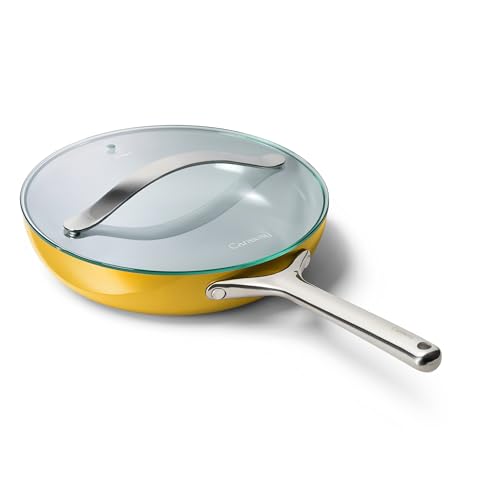
10.5” FRYING PAN: Perfect for slide-off-the-pan eggs, sauteing veggies, flipping pancakes and more. This durable non-stick pan makes cooking easier than ever, cleaning (dare we say) enjoyable, and adds a pop of color to any home.
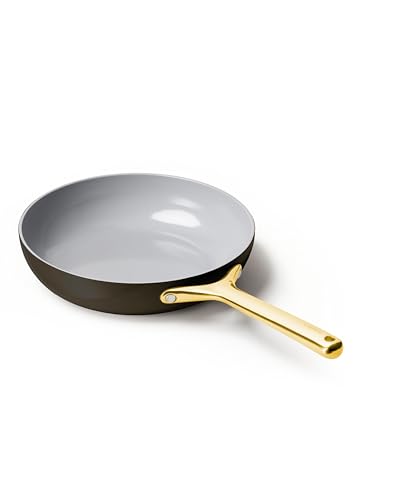
CARAWAY NOW LIVE ON AMAZON: Caraway has officially launched their best-selling and consciously crafted cookware on Amazon for everyone to enjoy. Time to upgrade your pots and pans and spruce up your kitchen decor!
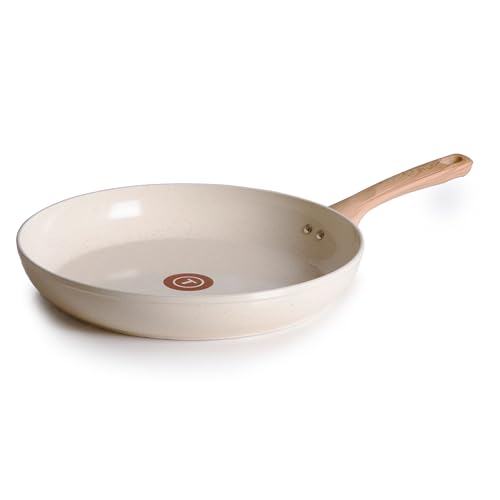
Everyday Cooking with Reduced Eco Impact: Made with a 100% recycled aluminum body to help reduce your environmental impact, and featuring T-fal’s GoCeram ceramic non-stick surface that needs little to no oil for healthier cooking
Avoid High Heat
- Choose Low to Medium Heat: Excessive heat can damage the ceramic coating. Keep your stove settings low or medium to maintain the pan’s integrity.
Use the Right Utensils
- Select Non-Metal Tools: Use wooden, silicone, or plastic utensils. Metal tools can scratch the ceramic surface, reducing its non-stick capabilities.
Store Properly
- Stack with Care: If you stack your pans, place a soft cloth or paper towel between them. This prevents scratches and nicks on the ceramic surface.
Clean Immediately After Use
- Wash Promptly: Clean your pan soon after cooking. Stuck-on food is easier to remove when it hasn’t dried. This practice keeps your pan looking fresh and new.
Dry Thoroughly
- Avoid Water Spots: After washing, dry your pan completely with a soft towel. Leftover moisture can lead to water spots or affect the ceramic coating over time.
Use Gentle Cleaners
- Stick with Milder Soaps: Avoid harsh chemicals. Mild dish soap or natural cleaners, like vinegar, work best for keeping your pan clean without damage.
Regularly Inspect the Surface
- Check for Wear: Look for any signs of chipping or wear. Address any damage early to prevent further deterioration of the ceramic coating.
Following these tips enhances your cooking experience and keeps your ceramic frying pan in great shape for a long time.
Conclusion
Taking care of your ceramic frying pan doesn’t have to be a chore. With a little routine maintenance and the right cleaning techniques, you can keep your cookware looking and performing its best. Remember to treat it gently and avoid harsh materials to preserve its non-stick surface.
By following the simple steps outlined and incorporating some practical tips, you’ll enjoy cooking with your ceramic pan for years to come. Embrace these practices and make your cooking experience even more enjoyable. Happy cooking!
Frequently Asked Questions
What are the main advantages of ceramic frying pans?
Ceramic frying pans offer non-stick properties, requiring less oil for healthier cooking. They are made with an eco-friendly ceramic coating derived from silica, making them a safer choice for food preparation. They also provide versatility for various cooking methods, enhancing your cooking experience.
How do I clean stubborn stains from my ceramic frying pan?
For tough stains, create a paste with baking soda and water, apply it to the stain, and let it sit for 15-20 minutes. Use a non-abrasive sponge to scrub gently, then rinse thoroughly with warm water. This should help lift stubborn stains without damaging the ceramic surface.
Can I use metal utensils on ceramic frying pans?
It’s best to avoid metal utensils, as they can scratch and damage the ceramic coating. Opt for non-metal utensils made of silicone, wood, or plastic to maintain the integrity of your ceramic frying pan and ensure it remains non-stick.
What is the proper way to store ceramic frying pans?
Store ceramic frying pans by placing a soft cloth or paper towel between them to prevent scratches. Avoid stacking them directly on top of one another. Hanging them or keeping them in a designated area can also help prevent damage and extend their lifespan.
How often should I clean my ceramic frying pan?
Clean your ceramic frying pan after each use to prevent food buildup and stubborn stains. Prompt cleaning helps maintain the non-stick surface and ensures that your pans stay in optimal condition for longer. Always wash with gentle soap and avoid abrasive materials.
