
Key Takeaways
- Understanding Stains: Coffee pot stains arise from oils, mineral deposits, and burnt grounds, impacting both appearance and taste.
- Cleaning Importance: Regular cleaning is vital to maintaining flavor and safety in your coffee pot, preventing bacteria buildup and stale flavors.
- Identifying Severity: Light, moderate, and severe stains require different cleaning approaches, from simple rinsing to deep cleaning methods like vinegar or baking soda.
- Effective Cleaning Methods: Utilize vinegar and water solutions, baking soda pastes, or commercial cleaners for effective stain removal and maintenance.
- Prevent Future Stains: Rinse after use, perform weekly deep cleans, and consider water quality to minimize staining and maintain freshness.
- Choose the Right Pot: Select coffee pots with non-stick coatings, removable parts, and high-quality materials for easier cleaning and longevity.
Do you find yourself staring at stubborn coffee pot stains that just won’t budge? You’re not alone. Many coffee lovers face this frustrating problem, and it can make your beloved brew look less inviting.
Understanding Coffee Pot Stains
Coffee pot stains result from the natural oils and compounds in coffee. Over time, these residues build up, turning into brown or dark marks inside your coffee maker. This discoloration not only affects your coffee’s taste but also the appearance of your pot.
Recommended Products
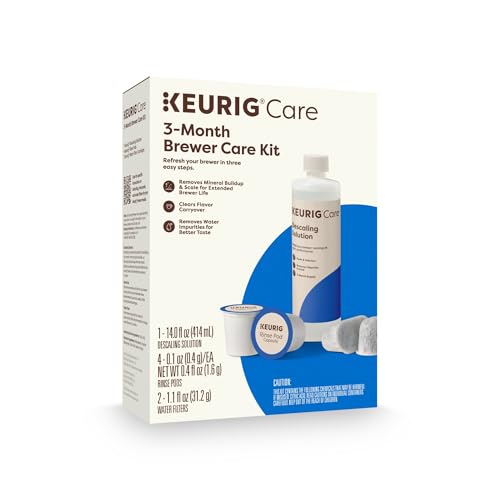
INCLUDES: 4 Keurig Rinse Pods, 1 Descale Solution, and 2 Water Filter Cartridge Refills

Bulk Coffeemaker Decalcifier Tablet: 24 Tablets Work out to a Year Supply or more. Compare to other products like powder, pods, sachet, packets. Choose ACTIVE Cleaning Tablets for better Values

2-Pack Coffee Descaler and Cleaner - Clean and rinse away residue and oil buildup in your coffee maker with Impresa's Coffee Descaler Solution. Our highly effective solution comes with two 8-ounce bottles - enough for 4 descaling sessions (2 uses per bottle)
Common Types of Coffee Pot Stains
- Oil Stains: Oil from coffee grounds can leave a slick residue. This often occurs if you use a paper filter or brew oily coffee types, like dark roasts.
- Mineral Deposits: Hard water can lead to white or cloudy spots. These deposits accumulate over time, especially if you don’t clean your pot regularly.
- Burnt Grounds: If coffee grounds are left in the pot for too long, they can burn. This creates stubborn stains and foul odors.
Why Cleaning Matters
Cleaning your coffee pot is essential for maintaining flavor. Stains can alter the taste of your coffee, making it bitter or stale. Regular cleaning extends the life of your coffee maker and enhances your overall coffee experience.
Identifying Stain Severity
- Light Stains: Often easy to clean with simple household solutions.
- Moderate Stains: May require more vigorous scrubbing or specialized products.
- Severe Stains: Often necessitate a deep-cleaning approach, sometimes using vinegar or baking soda.
When you recognize the severity of stains, you can choose the appropriate cleaning method, ensuring your coffee pot stays in top shape.
The Importance of Cleaning Your Coffee Pot
Cleaning your coffee pot isn’t just about appearances. Stains can affect health and flavor. Regular cleaning keeps your coffee experience enjoyable.
Health Benefits
Dirty coffee pots harbor bacteria, which can pose health risks. Microorganisms thrive in leftover coffee oils and residue. Regular cleaning eliminates these harmful agents, ensuring your coffee remains safe to drink. Using a clean pot helps boost your immune system and prevents potential stomach issues caused by contaminated coffee.
Taste Preservation
Stale oils and mineral deposits alter your coffee’s taste. Residue clings to the pot, infusing flavors that muddle each cup. Regularly cleaning your coffee pot helps preserve the delicious, rich flavor of your brew. Use vinegar or baking soda as effective cleaning agents to remove stubborn stains. Enjoying fresh, flavorful coffee daily hinges on proper maintenance.
Effective Cleaning Methods for Coffee Pot Stains
Cleaning coffee pot stains effectively restores your pot’s appearance and enhances the flavor of your coffee. Here are some efficient methods to tackle those stains.
Vinegar and Water Solution
Mix equal parts of vinegar and water for a powerful cleaning solution. This method works well on both oil and mineral stains.
- Fill the coffee pot halfway with this mixture.
- Turn on the coffee maker and let it brew halfway.
- Turn it off and let the solution sit for 30 minutes.
- Complete the brew cycle, then discard the solution.
- Rinse the pot with warm water several times to remove any vinegar residue.
Baking Soda Paste
Baking soda serves as a gentle abrasive that effectively tackles tough stains.
- Create a paste by mixing three tablespoons of baking soda with water.
- Apply the paste directly to the stained areas using a soft cloth or sponge.
- Gently scrub until the stains lift.
- Rinse thoroughly with warm water to ensure no residue remains.
Commercial Cleaners
If home remedies aren’t working, consider commercial cleaners specifically designed for coffee makers.
- Look for cleaners that indicate coffee pot compatibility.
- Follow the manufacturer’s instructions for optimal results.
- Typically, you’ll need to run the cleaner through a brew cycle, followed by multiple rinses with water.
Using these methods ensures your coffee pot remains clean, safe, and ready for your next brew.
Preventing Future Stains
Keeping your coffee pot clean is easier with a few preventive measures. Implement these simple strategies to minimize stains and maintain a fresh brewing environment.
Regular Maintenance Tips
- Rinse After Use: Rinse your coffee pot with warm water immediately after each use. This action removes leftover coffee grounds and oils.
- Daily Wipe-Down: Give your coffee maker a quick wipe-down with a damp cloth daily. Focus on areas that collect residue, like the carafe and warming plate.
- Weekly Deep Clean: Once a week, perform a deeper clean using a vinegar solution. Use one part vinegar and one part water, run it through a brewing cycle, and then follow up with plain water.
- Check Water Quality: Use filtered water to reduce mineral buildup. Hard water contributes to staining inside the pot and can affect coffee taste.
Choosing the Right Coffee Pot
- Select Non-Stick Coatings: Choose coffee pots with non-stick interiors. These make cleaning easier and help prevent stains from sticking.
- Opt for Glass or Stainless Steel: Both glass and stainless steel pots are easier to clean compared to plastic. They resist staining and do not retain odors.
- Look for Removable Parts: Select coffee makers with removable parts, such as the filter basket. This feature allows for thorough cleaning and easier maintenance.
- Invest in Quality: Quality coffee makers often feature better materials. Durable options withstand regular cleaning, keeping your coffee pot looking new longer.
Conclusion
Keeping your coffee pot clean is essential for both its appearance and the taste of your coffee. By tackling those stubborn stains regularly, you can enjoy a fresher brew and a healthier drinking experience.
With simple methods like using vinegar or baking soda, you can easily restore your coffee pot to its former glory. Plus, adopting preventive measures will save you time and effort down the line.
So why not make cleaning your coffee pot a part of your routine? You’ll not only enhance your coffee experience but also ensure every cup is as delicious as it should be. Happy brewing!
Frequently Asked Questions
What causes coffee pot stains?
Coffee pot stains are primarily caused by the natural oils and compounds found in coffee. As these substances build up over time, they create dark marks inside the coffee maker, resulting in unsightly stains that can also affect the taste of the coffee.
How can I clean my coffee pot?
To clean your coffee pot, mix equal parts of vinegar and water, then brew the solution through the coffee maker. Afterward, let the mixture sit for about 30 minutes before rinsing thoroughly. For tougher stains, consider using a baking soda paste or a commercial cleaner, following the manufacturer’s instructions.
What are the health risks of a dirty coffee pot?
A dirty coffee pot can harbor bacteria due to leftover coffee oils and residues. These microorganisms can pose health risks, making it essential to clean the pot regularly to ensure safe drinking and to reduce any potential negative impact on your immune system.
How often should I clean my coffee pot?
It is recommended to perform a basic clean after each use, including rinsing and wiping the pot. A more thorough cleaning should be conducted weekly using a vinegar solution to maintain both cleanliness and optimal coffee flavor.
What preventive measures can I take to avoid stains?
To minimize future stains, rinse the coffee pot with warm water after each use, conduct daily wipe-downs, and use filtered water to reduce mineral buildup. Choosing pots with non-stick coatings and removable parts can also make cleaning easier.
What types of stains can develop in a coffee pot?
Common types of stains in a coffee pot include oil stains from coffee grounds, mineral deposits from hard water, and burnt grounds left in the pot for extended periods. Regular cleaning helps prevent these stains from becoming severe.
Are commercial cleaners effective for coffee pot stains?
Yes, commercial cleaners can be effective for removing stubborn coffee pot stains. However, it is essential to follow the manufacturer’s instructions for safe and optimal use, and always rinse the pot thoroughly after cleaning.
Can stains affect the taste of my coffee?
Yes, stains can significantly alter the taste of your coffee. Residual oils and deposits can infuse unwanted flavors into each brew, making regular cleaning necessary to enjoy fresh and flavorful coffee.
