
Key Takeaways
- Start Early: Begin cleaning your newborn’s tongue around 2 weeks old to prevent milk residue buildup and promote oral health from the start.
- Importance of Cleaning: Regular tongue cleaning prevents bacteria growth, bad breath, and potential oral discomfort, ensuring a healthy mouth environment.
- Simple Methods: Use a soft damp cloth or a designated baby tongue cleaner for gentle and effective cleaning of your baby’s tongue.
- Comfort is Key: Create a calming environment for your baby during cleaning sessions to increase their comfort and acceptance of the routine.
- Daily Routine: Aim to clean your newborn’s tongue daily, ideally after feedings, to maintain consistent oral hygiene and prevent residue buildup.
Have you ever wondered how to keep your newborn’s mouth clean? It’s a common concern for new parents. A baby’s tongue can collect milk residue and bacteria, which might lead to discomfort or even infections if not addressed.
Cleaning your little one’s tongue is a simple yet essential part of their oral care routine. This article will guide you through easy steps to ensure your baby’s mouth stays healthy and fresh. By following these tips, you’ll not only promote good hygiene but also help your newborn develop a positive relationship with oral care right from the start.
Importance Of Cleaning Your Newborn’s Tongue
Cleaning your newborn’s tongue plays a vital role in their overall oral health. Milk residue can harbor bacteria, leading to potential issues such as thrush or bad breath. By ensuring a clean tongue, you contribute to the prevention of these concerns.
Maintaining a clean tongue supports the development of a healthy mouth. This practice encourages the growth of good bacteria while minimizing harmful bacteria. A clean tongue also helps your baby start developing a positive attitude towards oral hygiene, setting the stage for future dental care routines.
Cleaning your newborn’s tongue doesn’t require complex tools. A simple, soft baby washcloth or a dedicated infant toothbrush works well. You can dampen the cloth and gently wipe your baby’s tongue to remove any residue. This approach not only cleans but also provides a soothing experience for your little one.
Address any concerns about the safety of cleaning your baby’s tongue. Make sure to avoid using any harsh chemicals or mouthwashes. Always handle your newborn gently, using light pressure to avoid discomfort. Regular cleaning can begin as early as the first few weeks, adapting as your baby grows and dietary habits change.
When To Start Cleaning My Newborn’s Tongue
Establishing a cleaning routine for your newborn’s tongue is essential for oral health. Knowing when to start makes the process easier for both you and your baby.
Signs That It’s Time
Watch for these signs that indicate it’s time to start cleaning your baby’s tongue:
- Milk Residue: If you notice white patches or milk buildup on your newborn’s tongue after feeding.
- Fussiness During Feeding: If your baby seems fussy or uncomfortable while feeding, it may indicate oral discomfort.
- Bad Breath: If your baby has noticeable bad breath, even in infancy, it may signal the need for cleaning.
Recommended Age
Start cleaning your newborn’s tongue around 2 weeks of age. This early introduction helps prevent the buildup of bacteria. Continue this routine until your baby starts solids, around 6 months, then adjust your cleaning methods as their diet evolves.
Methods For Cleaning My Newborn’s Tongue
Cleaning your newborn’s tongue is an easy and important task to promote oral health. Here are two effective methods for doing so.
Recommended Products

Baby Tongue Cleaner - Momcozy baby tongue cleaner helps to finish the baby's oral cleaning. Our baby toothbrush can effective clean bayb's tongue and gums. Our toddler toothbrush can develop good hygiene habits for babies
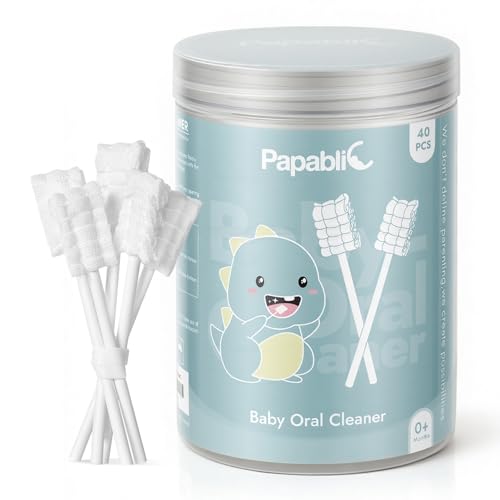
【Upgrade Design】: Unlike gum wipes or finger toothbrushes, these new swab-style disposable infant brushes can easily reach every part of your baby’s mouth with a flexible paper handle. Ultra-soft and all-round brush heads make cleaning a breeze and efficient.
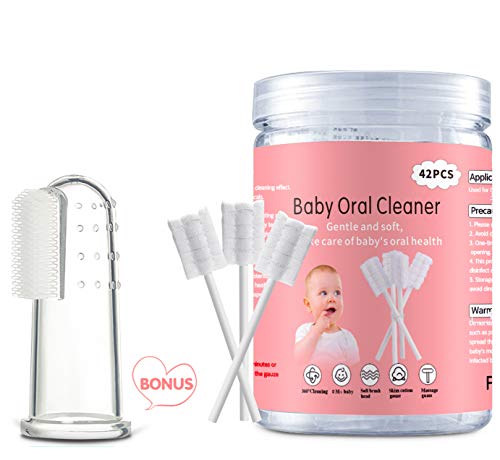
Focus On Early Baby Oral Care: Our baby toothbrush helps to solve the baby's oral health problem, effectively removes oral stains, milk stains, tongue coating, and keeps the mouth clean. Begin early with this delicate tongue brush to develop good oral hygiene habits for babies and infants.
Using A Soft Cloth
- Choose a soft, damp cloth. A clean, gentle baby washcloth works well.
- Wrap the cloth around your fingertip. This gives you a good grip and control.
- Gently open your baby’s mouth. Hold your baby in a comfortable position.
- Lightly swipe the cloth across the tongue. Use a back-and-forth motion to remove any milk residue.
- Rinse the cloth periodically. Keeping it clean helps prevent reintroducing bacteria.
Using A Baby Tongue Cleaner
- Select a baby tongue cleaner. These tools are specifically designed for infants.
- Ensure the cleaner is clean and safe. Check materials to avoid harmful chemicals.
- Position your baby comfortably. Use the same supportive hold as with the cloth method.
- Gently insert the cleaner into your baby’s mouth. Be cautious and mindful of their comfort.
- Move it across the tongue. A gentle rolling motion helps remove milk and bacteria.
- Rinse the cleaner after use. This keeps it sanitary for future cleaning.
By using these methods regularly, you foster a healthy oral environment for your newborn, making future dental care easier as they grow.
Tips For Effective Cleaning
Maintaining a clean tongue for your newborn is straightforward. Follow these tips to ensure effective cleaning.
Recommended Products

Safe & Gentle Materials: Made of 100% medical absorbent cotton, soft and gental cotton gauze can protect baby's oral mucosa

Expiration Information:The printed date on the package is the manufacturing date, not the expiration date. The shelf life of this product is 36 months. Please read the package label carefully before use.
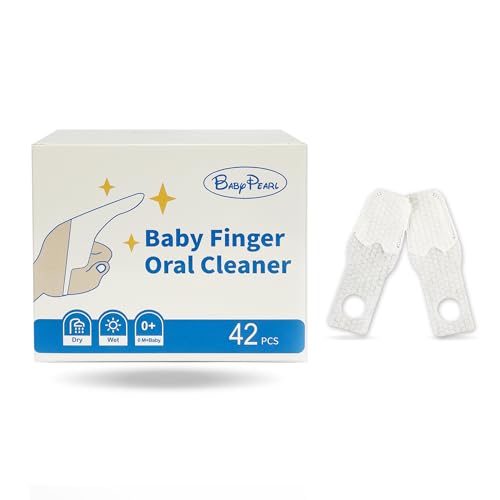
[Gentle Oral Care]: Three-dimensional pearl bristles made of 100% medical skim gauze. The soft absorbent gauze is comfortable to use and fits the baby's gums. It does not contain fluorescent whitening agents and is tasteless. Infant tongue cleaner newborn tooth wipes have strong Moisture-absorbing properties. Use the infant toothbrush to wipe the gums in a circular motion, and also wipe the inside of the cheek.
Frequency Of Cleaning
Clean your newborn’s tongue daily. Establish a routine around feedings—perhaps in the morning or after the last feeding of the day. This consistency helps prevent milk residue buildup. Aim for once a day or as needed, particularly if you notice residue or bad breath.
Creating A Comfortable Environment
Ensure your baby feels comfortable during cleaning. Choose a time when your baby is calm, like after a bath or during quiet playtime. Hold your baby securely in your lap or on a safe surface. Use a soft, soothing voice throughout the process. You might sing a gentle lullaby or talk softly to create a relaxing atmosphere. Having a favorite toy nearby can distract your baby and make cleaning easier.
Common Concerns And Myths
Recommended Products

Focus On Early Baby Oral Care: Our baby toothbrush helps to solve the baby's oral health problem, effectively removes oral stains, milk stains, tongue coating, and keeps the mouth clean. Begin early with this delicate tongue brush to develop good oral hygiene habits for babies and infants.
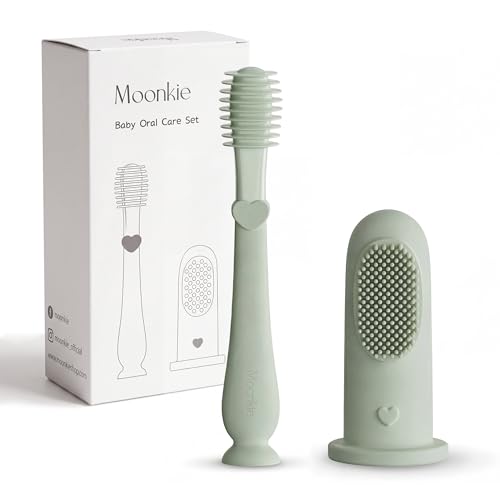
Designed for all-round Baby Oral Care - If you are the parent that would like to initiate early oral wellness care for your baby in depth, Moonkie’s Duet collection that includes 1 silicone finger toothbrush and 1 tongue cleaner is definitely a perfect fit for you and your little one!

【Comprehensive Baby Toothbrush】- Includes baby tongue cleaner and baby toothbrush, one-piece molding without risk of falling off. With a safety prompt line to prevent accidental injury to the baby's mouth. Oral partition care is more thorough, creating a fresh oral environment. It is also conducive to the baby's cultivation of good oral hygiene habits
Concern: Cleaning is Harmful
Cleaning your newborn’s tongue won’t harm them. Many parents fear that cleaning may irritate sensitive areas, but using a soft cloth or baby tongue cleaner ensures gentle care. Always handle with care to keep the experience positive.
Concern: Only Babies with Bad Breath Need Cleaning
Every newborn benefit from tongue cleaning, regardless of bad breath. Milk residue can accumulate quickly, creating an environment for bacteria. Routine cleaning prevents issues before they start.
Myth: You Can’t Start Until Teeth Appear
You should start cleaning your baby’s tongue as early as two weeks old. The presence of teeth isn’t a requirement. Early oral hygiene sets the foundation for a healthy mouth, preparing for future dental care.
Concern: Only Water is Sufficient
Rinsing with water alone isn’t enough. While water helps reduce residue, using a soft cloth or tongue cleaner effectively removes milk buildup. This thorough approach promotes a healthier oral environment.
Myth: It’s Fine to Use Adult Products
Using adult oral hygiene products, such as toothpaste or mouthwash, isn’t safe for newborns. These products contain ingredients that can be harmful or too abrasive. Opt for baby-safe items only.
Myth: This is Only Relevant for Bottle-Fed Babies
Tongue cleaning is essential for both bottle-fed and breastfeeding babies. Whether your baby feeds from a bottle or the breast, milk naturally leaves residue. Regular cleaning is crucial for everyone.
Concern: It’s Time-Consuming
Cleaning your baby’s tongue takes only a minute or two. Establishing a routine makes the process quick and efficient. Incorporate it into feeding times for an easy habit to maintain.
Concern: Babies Won’t Tolerate It
Many babies adapt well to tongue cleaning. Create a soothing environment with soft voices and gentle movements. Holding your baby securely can help ease any fussiness during the process.
Conclusion
Keeping your newborn’s tongue clean is a small but important step in promoting their oral health. By starting early and establishing a gentle routine, you’re helping to prevent potential issues while fostering a positive attitude toward oral care.
Remember to use a soft cloth or a baby tongue cleaner and make the experience soothing for both you and your little one. With a little patience and care, you’ll make this simple task a breeze.
Your efforts now will set the foundation for healthy habits as your baby grows. Enjoy these moments and the journey of nurturing their smile!
Frequently Asked Questions
When should I start cleaning my newborn’s tongue?
You should start cleaning your newborn’s tongue around 2 weeks of age. Look for signs like milk residue, fussiness during feedings, or noticeable bad breath, which indicate that it’s time to begin.
How do I clean my newborn’s tongue effectively?
Use a soft, damp baby washcloth wrapped around your fingertip or a specially designed baby tongue cleaner. Gently swipe across the tongue, rinsing the cloth or cleaner periodically to avoid reintroducing bacteria.
Why is it important to clean a newborn’s tongue?
Cleaning a newborn’s tongue prevents the buildup of milk residue and bacteria, which can cause issues like thrush or bad breath. It fosters good oral hygiene habits from an early age, supporting overall oral health.
Can I use adult oral hygiene products on my baby?
No, you should avoid using adult oral hygiene products on your baby, as they can be harmful. Stick to gentle methods designed for infants to ensure safety and effectiveness.
How often should I clean my newborn’s tongue?
It’s recommended to clean your newborn’s tongue daily, ideally after feedings. Establishing a routine can help maintain good oral hygiene and make the process easier for both you and your baby.
Is it safe to clean my baby’s tongue?
Yes, cleaning your baby’s tongue is safe and beneficial for all infants, not just those with bad breath. Just ensure you use gentle techniques and avoid harsh chemicals or adult products.
