
Key Takeaways
- Understand the Benefits: Granite sinks are durable, heat-resistant, and stain-resistant, adding elegance and value to your kitchen.
- Use the Right Supplies: Opt for pH-balanced dish soap, granite-specific cleaners, baking soda, and soft cleaning tools to avoid damaging the surface.
- Follow a Cleaning Routine: Clean your granite sink weekly using mild soap and avoid harsh chemicals to maintain its shine and prevent stains.
- Implement Protective Measures: Seal the sink every 6-12 months and use trivets for hot pots to protect against damage.
- Address Common Issues: Be aware of potential stains, scratches, and water spots to take corrective action before they worsen.
Ever stared at your granite sink and wondered how to keep it looking brand new? You’re not alone. Many people love the elegance of granite but struggle with keeping it spotless and shiny. With daily use, it’s easy for stains and grime to build up, making your beautiful sink look dull.
Understanding Granite Sinks
Granite sinks combine elegance and durability, making them a popular choice for modern kitchens. Knowledge of their specific benefits and common issues can help you maintain their beauty effectively.
Benefits of Granite Sinks
- Durability: Granite sinks resist chips and scratches, making them suitable for heavy kitchen use.
- Aesthetic Appeal: Their natural stone finish adds elegance, enhancing your kitchen’s overall design.
- Heat Resistance: Granite withstands high temperatures, allowing you to place hot pots and pans directly into the sink without damage.
- Stain Resistance: Properly sealed granite sinks resist stains from food and beverages, maintaining their appearance.
- Value Addition: Installing a granite sink can increase your home’s resale value due to its luxurious look.
Common Issues with Granite Sinks
- Stains: Unsealed or improperly sealed granite can absorb liquids, leading to stains.
- Scratches: While durable, excessive force can lead to scratches on the surface over time.
- Chipping: Heavy objects dropped into the sink may cause chips, particularly on the edges.
- Water Spots: Hard water can leave mineral deposits on the sink’s surface, creating unsightly spots.
- Cleaning Complications: Some cleaning products can damage the sealer, leading to potential deterioration.
Understanding these aspects helps you appreciate granite sinks and maintain them effectively.
Essential Cleaning Supplies
Cleaning a granite sink effectively requires the right supplies. Gather the following items before you start.
Recommended Products
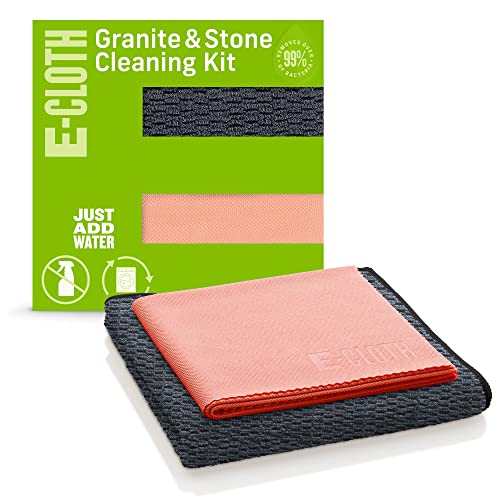
The E-Cloth Granite & Stone Cleaning Kit is all you need to protect your home investment, removing grease, grime, and over 99% of bacteria from granite, marble, enamel, and all stone surfaces — and then polishing them back to like-new. Keeps prized surfaces in mint condition without dulling its finish — with just water
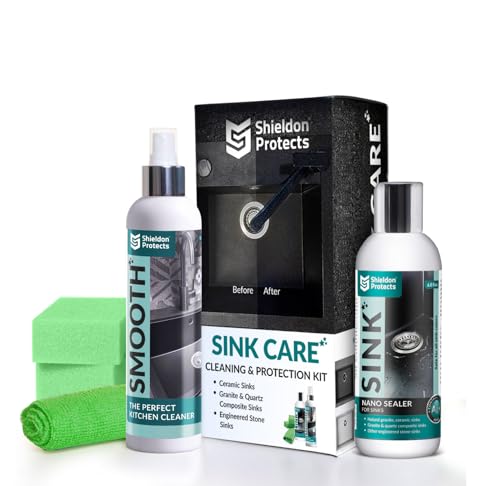
This kit will protect your sink from stains, add shine and keep it looking brand new. It will NOT remove deep-set stains. If you need to remove stubborn stains, please consider Shieldon Protects Sink Restorer Kit.

2-Step Streak-Free Stainless Steel Shine - Remove grease and fingerprints with Claro 2-cloth process: Use the damp pink cloth to remove smudges, then follow up with a dry gray microfiber cleaning cloth.
Recommended Cleaners
- pH-balanced dish soap: Choose a mild dish soap to avoid damaging the granite surface. Brands like Dawn or Seventh Generation work well.
- Granite cleaner: Opt for a cleaner specifically designed for granite. Products from brands such as Weiman and Black Diamond provide excellent results.
- Baking soda: This natural abrasive safely tackles stains and odors. Use it as a scrub when needed.
- White vinegar: Use in moderation. While it’s effective for many tasks, avoid excessive use as it can dull the granite.
Tools for the Job
- Soft cloths: Microfiber cloths and soft sponges won’t scratch the surface and effectively wipe away dirt.
- Non-abrasive scrub brush: A soft-bristled scrub brush helps remove stubborn grime without scratching.
- Squeegee: Use a squeegee to eliminate water spots, particularly if you have hard water.
- Spray bottle: Store diluted cleaners for quick access when cleaning your sink.
Using these supplies and tools ensures a quick, effective cleaning process for your granite sink, helping maintain its beauty and shine.
Step-by-Step Guide on How to Clean Granite Sink
Cleaning a granite sink keeps it looking its best and prevents damage. Follow these simple steps for excellent results.
Initial Rinse
Start by rinsing the sink with warm water. Use your hands or a cup to remove any loose debris and food particles. This step prevents scratching during the next stages. A thorough rinse prepares the surface for cleaning.
Apply Cleaning Solution
Spray a pH-balanced dish soap or a granite-specific cleaner on the sink’s surface. For a homemade solution, mix equal parts of white vinegar and water in a spray bottle. Avoid using acidic or bleach-based products; they can damage the granite. Generously apply the solution, ensuring even coverage.
Scrubbing Techniques
Use a soft cloth or non-abrasive scrub brush to gently scrub the sink. Focus on stained or dirty areas, applying light pressure. For stubborn stains, sprinkle a small amount of baking soda on the surface before scrubbing. Its gentle abrasive quality cuts through grime without harming the stone. Rinse the cloth or brush often to avoid smearing dirt.
Final Rinse and Drying
After scrubbing, rinse the sink again with warm water to remove all cleaning solution residues. Use a squeegee or soft cloth to dry the sink thoroughly. This step helps prevent water spots and streaks. Drying also enhances the natural shine of the granite, completing your cleaning process effectively.
Tips for Maintaining Granite Sinks
Maintaining the elegance of your granite sink requires regular care and attention. Follow these tips to keep your sink looking pristine and vibrant.
Routine Cleaning
Clean your granite sink at least once a week to avoid buildup. Use a pH-balanced dish soap diluted with water, applying it with a soft cloth or sponge. Rinse thoroughly to remove soap residue, which can dull the surface. For hard water spots, a mixture of equal parts white vinegar and water works effectively. Always dry the sink with a clean microfiber cloth to prevent water spots from forming.
Avoiding Damage
Prevent damage by steering clear of harsh chemicals and abrasive tools. Avoid using scouring pads, as they can scratch the surface. Don’t place hot pots or heavy objects directly in the sink; always use a trivet. Seal your granite sink every six to twelve months with a granite-specific sealant. This step protects against stains and keeps your sink’s finish in top shape. When handling food, promptly clean any spills, especially acidic substances like lemon juice and vinegar, to prevent staining.
Conclusion
Keeping your granite sink looking its best doesn’t have to be a chore. With the right tools and a bit of care you can maintain its elegance and shine effortlessly. Regular cleaning and prompt attention to spills will go a long way in preserving that beautiful finish.
Remember to steer clear of harsh chemicals and abrasive scrubbers to avoid damage. By following the simple steps and tips outlined you’ll enjoy a stunning sink that enhances your kitchen’s appeal for years to come. So grab those supplies and give your granite sink the love it deserves!
Frequently Asked Questions
What are the benefits of granite sinks?
Granite sinks are durable, heat resistant, and stain resistant, making them a popular choice in kitchens. They add aesthetic appeal and can potentially increase your home’s value. Their elegant look and robustness make them both functional and stylish.
How can I prevent stains on my granite sink?
To prevent stains, it’s essential to seal your granite sink every six to twelve months and promptly clean up spills, especially from acidic substances. Regular cleaning with pH-balanced dish soap can also help maintain its appearance.
What cleaning supplies do I need for granite sinks?
For effective cleaning, use pH-balanced dish soap, granite-specific cleaners, baking soda, and white vinegar in moderation. Essential tools include soft cloths, a non-abrasive scrub brush, a squeegee for water spots, and a spray bottle for diluted cleaners.
How often should I clean my granite sink?
It’s recommended to clean your granite sink at least once a week to prevent soap scum, stains, and buildup. Regular maintenance keeps the sink looking new and extends its lifespan.
What should I avoid when cleaning my granite sink?
Avoid using harsh chemicals and abrasive tools, as they can damage the granite surface. Instead, stick to non-acidic, gentle cleaners and soft cloths to protect the finish.
How do I clean a granite sink effectively?
Start by rinsing the sink to remove loose debris. Apply a pH-balanced dish soap or a mixture of white vinegar and water. Use a soft cloth or non-abrasive scrub brush to clean, and for stubborn stains, try baking soda. Rinse thoroughly and dry to prevent water spots.
How can I remove stubborn stains from my granite sink?
For stubborn stains, make a paste using baking soda and water, apply it directly to the stain, and let it sit for a few minutes before scrubbing gently with a non-abrasive brush. Rinse well afterward.
How can I maintain the shine of my granite sink?
To maintain shine, dry the sink with a microfiber cloth after cleaning to avoid water spots. Regular sealing every six to twelve months also helps keep the granite’s natural beauty intact.
