
Key Takeaways
- Regular Maintenance is Key: Cleaning kitchen basin pipes regularly helps prevent unpleasant odors and clogs, ensuring a smoothly functioning plumbing system.
- Identify Clog Signs Early: Be vigilant for signs of clogs, such as slow drainage, unpleasant odors, gurgling sounds, water backups, and frequent leaks to address issues before they become major problems.
- Essential Tools and Solutions: Gather essential tools like a plumber’s snake, bucket, and adjustable wrench, and use effective cleaning solutions such as baking soda and vinegar for optimal results.
- Follow a Step-by-Step Cleaning Process: Disassemble the pipes, clean each section thoroughly, and reassemble them carefully to maintain your kitchen basin’s functionality.
- Implement Preventive Measures: Establish a regular cleaning schedule and avoid common clogs by using drain covers and properly disposing of grease to keep your kitchen pipes clear.
- Health and Cost Benefits: Regular cleaning not only enhances drainage and reduces the need for costly plumbing repairs but also promotes a healthier home environment by eliminating bacteria and mold buildup.
Have you ever noticed a strange smell coming from your kitchen basin? It’s a common issue that can happen when food particles and grease build up in the pipes. Not only can this lead to unpleasant odors, but it can also cause clogs that disrupt your daily routine.
Overview of Kitchen Basin Pipe Cleaning
Cleaning the kitchen basin pipe prevents unpleasant odors and clogs. Regular maintenance keeps your plumbing system functioning smoothly.
Importance of Cleaning
Cleaning the kitchen basin pipe is essential for several reasons:
- Odor Prevention: Regular cleaning removes food particles and grease that cause bad smells.
- Clog Reduction: Routine maintenance prevents clogs, which can disrupt daily activities.
- Improved Drainage: Clean pipes enhance water flow, preventing slow drainage.
- Health Safety: Eliminating bacteria and mold from buildup protects your family’s health.
- Cost Savings: Preventive cleaning can reduce the need for costly plumbing repairs.
Signs of Clogged Pipes
Recognizing clogged pipes early can save you time and hassle. Watch for these signs:
- Slow Draining Water: If water takes longer to drain, it indicates a blockage.
- Unpleasant Odors: Strange smells from your basin suggest decomposing food in the pipes.
- Gurgling Sounds: Gurgling noises when the sink drains signal air trapped in the pipes.
- Water Backups: If water bubbles up from the sink or other drains, clogs are likely present.
- Frequent Leaks: Regular leakage around the pipes can indicate underlying issues caused by clogs.
Being proactive about cleaning and monitoring these signs can keep your kitchen basin functional and odor-free.
Tools and Materials Needed
Cleaning the kitchen basin pipe requires a few essential tools and materials. Having these items on hand makes the process easier and more effective.
Recommended Products

Effective Drain Clog Remover – Quickly dissolves grease, food waste, soap scum, and hair to unclog slow or blocked drains.
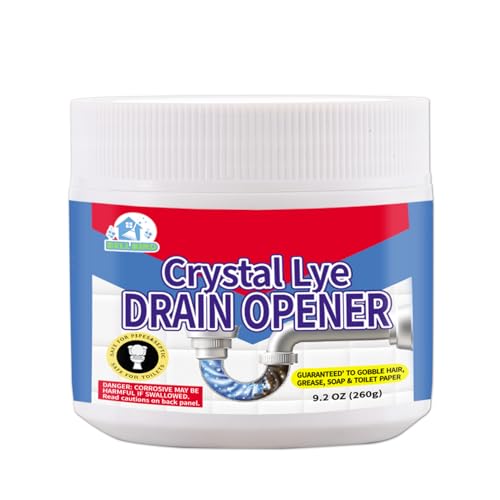
Heavy-Duty Clog-Dissolving Formula: Breaks down hair, grease, food buildup, and soap scum. Our crystal formula dissolves common blockages for smooth, free-flowing drains.

【EXCELLENT LENGTH】Metal clog remover is 35.5 inches long with a claw extending from the top, which could easily insert to deeper pipes, and grab the blockage and hair. Drain snake is 25 inches long with tiny hooked teeth on it, which is perfect to insert and easy to pull out hair and blockage. Cleaning brush is bendable and durable for daily cleaning of pipe inner wall.
Essential Cleaning Tools
- Plumber’s snake: This tool helps remove clogs deep in the pipes. It’s flexible and can navigate bends in the plumbing.
- Bucket: Use a bucket to catch any water or debris when you disconnect pipes or clean out the basin.
- Adjustable wrench: An adjustable wrench allows you to grip and turn various sizes of nuts and bolts on the plumbing.
- Screwdriver: A flathead or Phillips screwdriver can help remove screws holding pipes in place or disassemble sink fittings.
- Gloves: Wear rubber or latex gloves to protect your hands from grime and harsh cleaners.
Recommended Cleaning Solutions
- Baking soda and vinegar: Pour half a cup of baking soda followed by half a cup of vinegar down the drain. This combination helps break down grease and eliminate odors.
- Dish soap: A few squirts of dish soap mixed with hot water can assist in breaking down grease buildup.
- Salt and hot water: Pouring a mixture of salt and boiling water flushes the pipes and can help dislodge debris.
- Commercial drain cleaner: If clogs persist, consider using a commercial drain cleaner. Follow the manufacturer’s instructions carefully to avoid damage to your pipes.
By gathering these tools and materials, you’ll be well-prepared to clean your kitchen basin pipe thoroughly.
Step-by-Step Guide to Clean Kitchen Basin Pipe
Follow these steps to effectively clean your kitchen basin pipe and eliminate odors and clogs.
Recommended Products
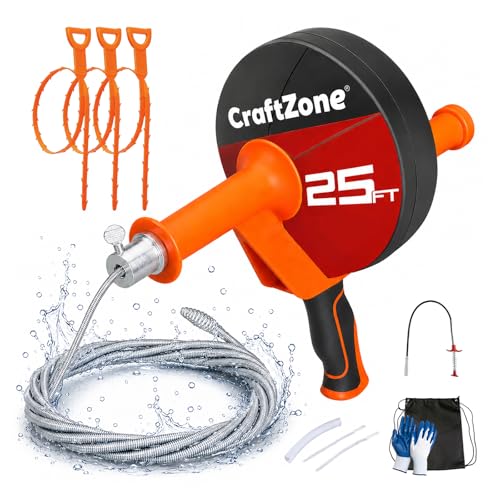
GOOD HELPER: This professional drain snake comes with a 25-ft steel pipe that will solve most household clogging problems and keep your drains clear. In addition, the drain hair remover comes with a pair of gloves, a storage bag, and two cleaning brushes, making it a great helper for cleaning your kitchen bathroom

Professional: This professional plumbers snake comes complete with 25 ft Steel, more than enough for most household clog, keeping your drains flowing smoothly. In addition, the pipe snake comes with a pair of gloves, which help to keep your hands clean and safe. What's more the springs can be stored in the drum to keep it tidy than conventional drain cleaner.
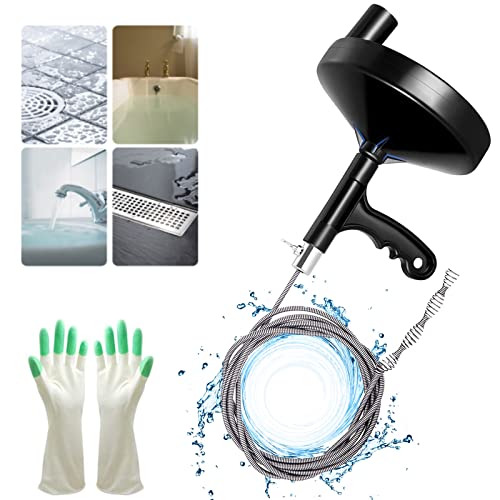
25 Ft of Flexible Steel Wire Easier to Reach Deeper Clogs: This professional plumbing snake drains auger comes with 25 ft of heavy-duty spring steel cable that goes beyond traps to remove most common household clogs. Highly effective drum auger for unclogging drains and keeping your drains flowing smoothly
Preparing to Clean
Start by gathering your tools and materials. You’ll need a plumber’s snake, bucket, adjustable wrench, screwdriver, gloves, and your chosen cleaning solutions. Clear the area under the sink for easy access. Lay down a towel to catch any spills during the process.
Disassembling the Pipe
Next, turn off the water supply connected to the kitchen basin. Use the adjustable wrench to loosen and remove the nuts connecting the pipe sections. Keep a bucket underneath to catch any remaining water. Take apart the pipe carefully, ensuring you remember the order of the pieces for easy reassembly.
Cleaning Process
Clean each pipe section with your chosen solution. For a baking soda and vinegar mixture, pour half a cup of baking soda followed by half a cup of vinegar into the pipe. Let it sit for 15-30 minutes. Rinse with hot water for effective residue removal. For stubborn clogs, use the plumber’s snake to break up debris and grease.
Reassembling the Pipe
Reassemble the pipe in the reverse order of disassembly. Hand-tighten the nuts first, then use the wrench for a snug fit—avoid overtightening, which can cause damage. Turn the water supply back on and check for leaks by running water through the basin. If everything looks good, you’ve successfully cleaned your kitchen basin pipe.
Preventative Maintenance Tips
Maintaining clean kitchen basin pipes prevents clogs and odors. Here are some effective strategies for you to follow.
Recommended Products

Effortless Cleanup with Ultra-Fine Mesh: Our disposable kitchen sink strainer mesh bag features an ultra-fine mesh design that traps even the tiniest food scraps, grease, and debris, keeping your sink and pipes clog-free. No more messy cleanups—just toss it when done!

2 PCS Stainless Steel Kitchen Sink Strainer, High-quality Stainless steel with reliable rust-free function.

2 PCS Stainless Steel Kitchen Sink Strainer, High-quality Stainless steel with reliable rust-free function.
Regular Cleaning Schedule
Set a regular cleaning schedule for your kitchen basin pipes. Aim for every month or every other month. Clean pipes not only reduce odors but also prevent buildup. You can use a simple mixture of baking soda and vinegar for a quick cleaning. Pour half a cup of baking soda followed by half a cup of vinegar into the drain. Let it sit for about 15 minutes, then rinse with hot water. This routine keeps your pipes flowing smoothly.
Avoiding Common Clogs
Being proactive helps avoid common clogs. Here are some tips to implement:
- Use drain covers: Protect your pipes from food particles and debris.
- Dispose of grease properly: Never pour grease down the drain. Allow it to cool, then discard it in the trash.
- Rinse after use: Always rinse dishes and utensils before placing them in the sink. This practice prevents food buildup.
- Educate your household: Teach everyone to avoid putting fibrous foods (like celery or onion skins) down the sink.
Following these strategies keeps your kitchen basin pipes clear and functional.
Conclusion
Taking the time to clean your kitchen basin pipes can make a world of difference. Not only will it eliminate those pesky odors but it’ll also keep your kitchen running smoothly. Regular maintenance is key to preventing clogs and ensuring your space remains healthy and functional.
Remember to gather your tools and follow the steps outlined to tackle any buildup. With a little effort and the right approach, you’ll enjoy a fresher kitchen and save yourself from potential plumbing headaches down the road. So grab your supplies and get started on keeping your kitchen basin in tip-top shape!
Frequently Asked Questions
What causes strange smells from kitchen basins?
Strange smells from kitchen basins are often caused by the buildup of food particles and grease in the pipes. Over time, these residues can produce unpleasant odors and may lead to clogs, disrupting daily kitchen activities.
How often should I clean my kitchen basin pipes?
It’s recommended to clean kitchen basin pipes every month or every other month to prevent odors and clogs. Regular maintenance keeps your drains functioning well and reduces the risk of costly plumbing issues.
What are the signs of clogged kitchen basin pipes?
Signs of clogged kitchen basin pipes include slow draining water, unpleasant odors, gurgling sounds, water backups, and frequent leaks. If you notice any of these signs, it’s time to clean your pipes.
What tools do I need to clean my kitchen basin pipes?
To clean your kitchen basin pipes, gather a plumber’s snake, bucket, adjustable wrench, screwdriver, and gloves. These tools will help you effectively disassemble and clean your pipes.
What cleaning solutions work best for kitchen basin clogs?
Effective cleaning solutions include a baking soda and vinegar mixture, dish soap with hot water, salt and boiling water, or commercial drain cleaners for stubborn clogs. Choose based on your cleaning needs.
Can I prevent clogs in my kitchen basin?
Yes, you can prevent clogs by using drain covers, disposing of grease properly, rinsing dishes before placing them in the sink, and educating household members about avoiding fibrous foods. These habits promote clear and odor-free pipes.
