
Key Takeaways
- Understanding Causes: Common causes of blocked kitchen drains include food debris, grease buildup, hair, foreign objects, and soap scum. Identifying these issues is the first step in addressing blockages effectively.
- Signs of Blockage: Look out for signs such as slow drainage, unpleasant odors, gurgling sounds, frequent backups, and water stains around the sink, which indicate potential drainage problems.
- Essential Tools: Equip yourself with a plunger, drain snake, bucket, rubber gloves, and towels to efficiently tackle blockages. Be prepared with cleaning solutions like baking soda, vinegar, or commercial drain cleaners for effective unclogging.
- Step-by-Step Solutions: Follow a systematic approach to clear drains, starting with plunging, then using a drain snake, and finally resorting to chemical cleaners if necessary. Ensure to flush with hot water afterward for best results.
- Preventive Measures: Regular maintenance is key; clean drains weekly, use a drain strainer, run cold water while using garbage disposal, and regularly check for leaks to prevent future blockages.
- Disposal Etiquette: Avoid putting harmful items like grease, coffee grounds, eggshells, and fibrous vegetables down the drain to maintain a clear and functioning drainage system.
Ever stood in your kitchen, watching water slowly pool around your feet? A blocked kitchen drain can turn your cooking haven into a frustrating mess. You’re not alone; it’s a common issue that can happen to anyone, usually at the most inconvenient times.
Understanding Blocked Kitchen Drains
Blocked kitchen drains pose a common frustration during meal preparation. Recognizing the underlying issues helps you tackle them effectively.
Common Causes of Blocked Drains
- Food debris – Scraps from cooking, such as grease, small bones, and vegetable peels, often accumulate and form clogs.
- Hair – Though more common in bathrooms, hair can also find its way into kitchen sinks, especially from washing or rinsing dishes.
- Grease buildup – Pouring cooking oils and fats down the drain leads to sticky residue that hardens and narrows the pipe pathways.
- Foreign objects – Small items, such as utensils or sponges, can accidentally fall into the sink, causing immediate blockages.
- Soap scum – Solid soap particles dissolve poorly in water and can build up over time, especially when mixed with grease.
Signs of a Blocked Drain
- Slow drainage – Water pooling in the sink during use indicates a blockage.
- Unpleasant odors – Foul smells might suggest trapped food or build-up within the pipes.
- Gurgling sounds – If you hear strange noises when you pour water down the drain, air may struggle to escape around a clog.
- Frequent backups – Water rising in other drains, such as the sink or dishwasher, points to a more extensive drainage issue.
- Water stains – Damp spots around the sink or cabinets can signal leaks from blocked pipes that cause pressure build-up.
Tools and Materials Needed
To clear a blocked kitchen drain effectively, gather the necessary tools and materials. Having the right equipment on hand makes the process smoother and more efficient.
Recommended Products

QUICK AND EASY: Our PlumbCraft Mini Drain Plunger powerfully unclogs sink drains with minimal effort. This drain clog remover is designed to get the job done fast.

Versatile Use: This drain clog remover set includes 5 plastic and 1 stainless steel drain snakes, effectively removing clogs from bathtubs, showers, kitchen sinks, utility sinks, toilets, washbasins, and sewers

1 CLICK AND CLEAN: Say goodbye to plumbing headaches! With just one touch, you can instantly solve clogged toilet problems at home. Whether it’s a busy morning or late at night, this easy-to-use tool saves you time and energy without waiting for a plumber
Basic Tools
- Plunger: A necessity for dislodging minor blockages, especially stubborn food particles.
- Drain snake: This flexible tool reaches deep into pipes, removing clogs that are out of reach.
- Bucket: Use this to catch any spilled water or debris during the unclogging process.
- Rubber gloves: Protect your hands from bacteria and harsh chemicals while working.
- Towel: Keep a towel handy for quick clean-up and drying your hands.
Cleaning Solutions
- Baking soda and vinegar: Pouring 1 cup of baking soda followed by 1 cup of vinegar down the drain creates a chemical reaction that helps break down grease and debris.
- Salt and hot water: Mix 1 cup of salt with 2 cups of boiling water to dissolve minor clogs.
- Commercial drain cleaners: Use according to instructions for tough blockages; ensure you’re in a well-ventilated space.
- Dish soap and hot water: Pour 1 cup of dish soap, followed by 2 cups of hot water, to break down grease buildup.
Having these tools and materials on hand prepares you for clearing a blocked kitchen drain efficiently and effectively.
Step-by-Step Guide on How to Clear a Blocked Kitchen Drain
Follow these steps to efficiently clear a blocked kitchen drain and restore water flow.
Recommended Products

Compact design is perfect for sink and drain clogs

The Master Plunger S4 is perfect for kitchen sinks, bathroom sinks, floor drains, showers, or bathtubs.
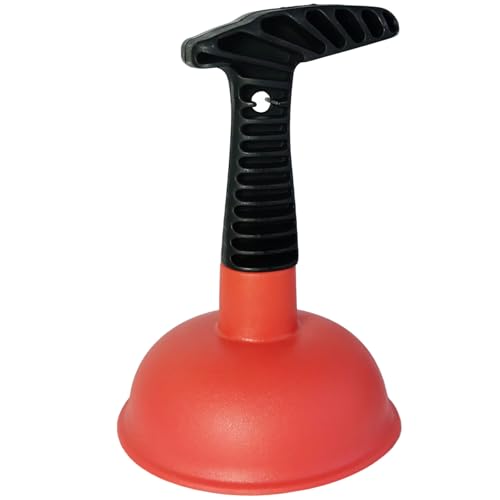
【Multifunctional sink plunger】The mini sink plunger fits for sinks, tubs, showers, toilets, and fish tanks. Ideal for homes, offices, and commercial spaces.
Using a Plunger
- Choose a plunger: Use a cup plunger, which works best for sinks.
- Prepare the area: Clear any standing water from the sink. Place a bucket nearby to catch any spills.
- Seal overflow holes: If applicable, use a wet cloth to block overflow holes. This ensures suction is focused on the clog.
- Position the plunger: Place the plunger over the drain, ensuring a good seal.
- Pump vigorously: Push down forcefully, then pull up without breaking the seal. Repeat for 15-20 seconds.
- Check the drain: If the water drains, you’ve cleared the blockage. If not, move to the next method.
Using a Drain Snake
- Select a drain snake: Choose a manual or automatic drain snake for this task.
- Insert the snake: Feed the snake into the drain until you meet resistance.
- Rotate the handle: Turn the handle to break up the clog. This motion helps to dislodge debris.
- Pull out the snake: Retrieve the snake, bringing any caught debris with it.
- Run hot water: Flush the drain with hot water to remove any remaining residue. Ensure proper drainage.
Chemical Drain Cleaners
- Choose a cleaner: Select a chemical drain cleaner specifically designed for kitchen sinks.
- Read instructions: Follow the manufacturer’s instructions carefully for safety and effectiveness.
- Pour cleaner: Slowly pour the recommended amount into the drain.
- Wait: Allow the cleaner to sit for the advised time, usually 15-30 minutes.
- Flush with cold water: After waiting, thoroughly flush the drain with cold water to clear any remaining chemicals.
By following these steps, you can effectively address a blocked kitchen drain.
Preventive Measures
Taking preventive measures keeps your kitchen drain flowing smoothly. You can avoid clogs and the hassle of clearances by following a few simple strategies.
Recommended Products

The kitchen sink drain strainer/ full mesh basket replacement for the 3-1/2" US standard kitchen sink drain. The efficient method of anti-clogging shields to prevent drain clog by catching kitchen waste, food scraps, utensils, or debris particles while letting water flow seamlessly.

Effectively Trap Debris: This sink strainer basket lets water drain, not kitchen scraps. Other drain plugs works too well or not well enough — or they just don't last

2 PCS Stainless Steel Kitchen Sink Strainer, High-quality Stainless steel with reliable rust-free function.
Regular Maintenance Tips
- Clean the drain weekly: Pour hot water down the drain once a week. This helps remove grease and food residue.
- Use a drain strainer: Install a mesh strainer over your drain. It catches food particles and debris before they enter the pipes.
- Run cold water: Keep cold water running while using the garbage disposal. It helps flush waste down and prevents buildup.
- Check for leaks: Inspect pipes regularly for leaks or corrosion. Fixing minor issues early can prevent larger problems.
What Not to Put Down the Drain
- Grease and oils: Never pour grease, oil, or fats down the drain. They solidify and block the pipes.
- Coffee grounds: Dispose of coffee grounds in the trash. They can clump together and cause blockages.
- Eggshells: Avoid putting eggshells down the disposal; they can create grit that builds up in pipes.
- Stringy foods: Stay clear of fibrous vegetables like celery or corn husks. Their strings can tangle and trap other debris in the drain.
- Chemical cleaners: Don’t use harsh chemical cleaners frequently. They can damage pipes over time and lead to leaks.
Following these preventive measures ensures a clean and functional kitchen drain, reducing your chances of experiencing a blockage.
Conclusion
Dealing with a blocked kitchen drain can be a hassle but with the right tools and techniques you can tackle it head-on. Remember to stay calm and follow the steps outlined to clear the blockage effectively.
Regular maintenance is key to preventing future clogs and keeping your kitchen running smoothly. By being mindful of what goes down your drain and incorporating simple cleaning habits into your routine you can save yourself from future frustration.
So next time you face a blocked drain don’t stress. You’ve got the knowledge and skills to handle it like a pro. Happy cooking!
Frequently Asked Questions
What causes a kitchen drain to get blocked?
Blocked kitchen drains can be caused by various factors, including food debris, grease buildup, hair, foreign objects, and soap scum. These materials accumulate over time, hindering the flow of water and leading to clogs.
How can I tell if my kitchen drain is blocked?
Signs of a blocked kitchen drain include slow drainage, unpleasant odors, gurgling sounds, frequent backups, and water stains around the sink area. Recognizing these indicators early can help you address the problem promptly.
What tools do I need to clear a blocked kitchen drain?
Essential tools for clearing a blocked kitchen drain include a plunger, drain snake, bucket, rubber gloves, and towels. These items will help you tackle clogs safely and effectively.
How do I use a plunger on a blocked drain?
To use a plunger, prepare the area by sealing overflow holes and placing the plunger over the drain. Pump it vigorously to create suction and dislodge the blockage. This method is effective for minor clogs.
What if the plunger doesn’t work?
If the plunger fails to clear the blockage, try using a drain snake. Insert it into the drain, rotate the handle to break up the clog, and flush the drain with hot water afterward to remove any remaining debris.
Are chemical drain cleaners safe to use?
Chemical drain cleaners can be effective, but it’s crucial to follow the manufacturer’s instructions closely for safety and effectiveness. Always wear protective gear and ensure good ventilation when using these products.
How can I prevent my kitchen drain from blocking?
To prevent blockages, regularly clean your drain with hot water, use a drain strainer to catch debris, and avoid putting grease, coffee grounds, and other problematic items down the sink. Regular maintenance can help maintain proper drainage.
What should I avoid putting down the kitchen drain?
Avoid putting grease, coffee grounds, eggshells, stringy foods, and harsh chemical cleaners down the kitchen drain. These items can lead to clogs and damage your plumbing over time.
