
Key Takeaways
- Understanding Grout Types: Tile grout is mainly cement-based or epoxy; the former is porous and more prone to stains while the latter is stain and moisture-resistant. Knowing your grout type helps in selecting the right cleaning methods.
- Cleaning Solutions: Effective cleaning can be achieved with simple ingredients like baking soda, white vinegar, and hydrogen peroxide. Each serves a unique purpose in removing stains and disinfecting grout.
- Essential Cleaning Tools: Gather necessary tools—stiff-bristled brush, gloves, safety goggles, and clean cloths—to ensure a safe and efficient cleaning process.
- Step-by-Step Cleaning: Follow a systematic process: prepare the area, apply the cleaning solution, scrub the grout thoroughly, and rinse to remove residue for optimal results.
- Regular Maintenance: Establish a weekly cleaning routine and prevent grime accumulation by quickly addressing spills and sealing grout every 6 to 12 months to maintain its appearance and durability.
Have you ever looked at your kitchen counter and noticed the grimy grout between the tiles? It can be frustrating to see how quickly dirt and stains build up, making your space feel less inviting. You’re not alone—many people struggle with keeping their tile grout looking fresh and clean.
Understanding Tile Grout
Tile grout serves as a filler between tiles, helping to keep them securely in place. Grout comes in two primary types: cement-based and epoxy. Cement-based grout is porous and can absorb moisture, making it more susceptible to staining. Epoxy grout, on the other hand, is non-porous and resistant to stains and moisture.
Grout varies in color and composition. You can choose a color that complements your tiles, but darker grout may hide stains better than lighter options. Understanding the type and color of your grout aids in selecting the right cleaning methods.
Grout’s porous nature allows dirt, grease, and mildew to accumulate over time. Without proper maintenance, this buildup can lead to discoloration and an unkempt appearance in your kitchen. Regular cleaning helps prevent deep stains and keeps your grout looking fresh.
Common issues include discoloration from spills, staining from food or oils, and mold growth. Identifying these problems is crucial for effective cleaning strategies. Knowing your grout type allows you to select appropriate cleaning products. Always test a new cleaner on a small, inconspicuous area to ensure it won’t damage the grout or tiles.
Consider preventative measures as well. Sealing your grout after cleaning enhances its resistance to stains and moisture. Regular sealing requires minimal effort and significantly prolongs the life and appearance of your grout. Aim to reseal your grout every 6 to 12 months, depending on usage and the type of sealant used.
Necessary Tools and Supplies
Cleaning tile grout on your kitchen counter requires specific tools and supplies for effective results. Collecting the right items streamlines the process and enhances your cleaning efficiency.
Recommended Products

2-in-1 benefits clean while protecting grout from water, dirt and grime
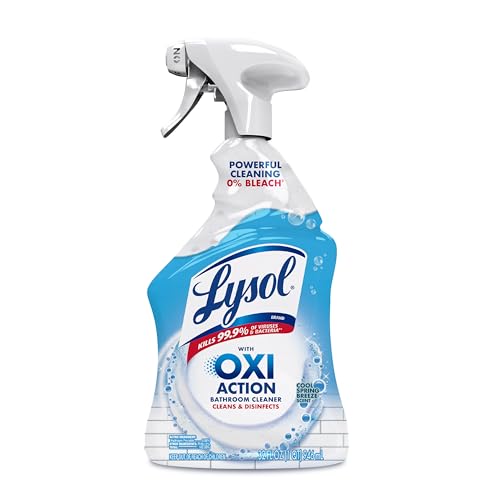
POWERFUL BATHROOM CLEANING WITH 0% BLEACH: Deep-cleaning, bleach-free* formula gives you the strength of a bathroom cleaner spray without the harshness of traditional bleach bathroom cleaners — ideal for bleach-sensitive surfaces.
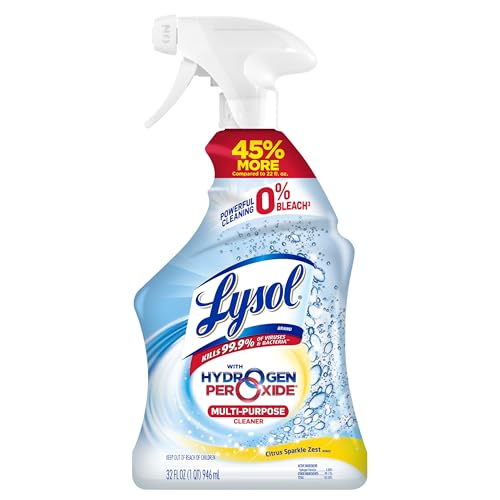
No harsh chemical residue
Cleaning Solutions
- Baking soda: Acts as a gentle abrasive that lifts stains without scratching tiles. Mix with water to create a paste for targeted application on stained grout.
- White vinegar: Serves as a natural disinfectant and deodorizer. Combine equal parts with water in a spray bottle for an easy-to-use solution.
- Hydrogen peroxide: Works well on tough stains. Apply directly to the grout, allowing it to sit for several minutes before scrubbing.
- Commercial grout cleaner: Ensure it’s suitable for your grout type. Always follow the manufacturer’s instructions for the best outcomes.
Protective Gear
- Gloves: Protect your skin from harsh cleaning agents. Choose rubber or disposable gloves for ease of use.
- N95 mask: Prevent inhaling any dust or fumes while cleaning, especially when using strong chemicals or scrubbing away mold.
- Safety goggles: Safeguard your eyes from splashes. Wear goggles to avoid irritation during the cleaning process.
Gathering these tools and supplies prepares you to tackle tile grout cleaning effectively, ensuring a clean and fresh kitchen counter.
Step-by-Step Cleaning Process
Cleaning tile grout effectively involves a straightforward process. Follow these steps for the best results.
Initial Preparation
Gather necessary tools and supplies. You’ll need baking soda, white vinegar, hydrogen peroxide, or your preferred grout cleaner. Get a small bowl for mixing, a brush with stiff bristles for scrubbing, a spray bottle, and gloves for protection. Ensure you clear the counter of any items, allowing for easy access to all grout lines.
Applying Cleaner
Mix baking soda and water for a paste, or use white vinegar straight from the bottle. Apply the cleaner directly to the grout lines. For stronger stains, consider using hydrogen peroxide, applying it with a spray bottle. Let the solution sit for 10 to 15 minutes. This dwell time helps break down stains, ensuring a more effective clean.
Scrubbing Technique
Use a stiff-bristled brush or an old toothbrush for scrubbing. Apply firm pressure while moving the brush along the grout lines. Scrub in small sections, focusing on one area at a time. Repeat this process for all affected grout sections, reapplying cleaner as needed to tackle stubborn stains.
Rinsing and Drying
After scrubbing, rinse the area with clean water using a damp cloth or sponge. Remove all cleaning solution residue to prevent buildup. Dry the counter thoroughly with a clean towel to avoid water spots and discourage mold growth. Regularly repeating these steps maintains the grout’s appearance and durability.
Maintenance Tips for Tile Grout
Maintaining clean tile grout is essential for a fresh kitchen look. Here are effective strategies to keep grout in great condition.
Recommended Products

For use inside or out on a variety of surfaces including sanded grout, ceramic tile, porcelain tile, glazed tile, stucco, travertine, marble, slate, granite, terrazzo and more to protect against water, stains and slippage

Convenient applicator bottle included; applicator tip

Keep a clean, NATURAL APPEARANCE and improve the DURABILITY of your grout in your shower, kitchen, bathroom, and tile flooring
Regular Cleaning Schedule
Establish a regular cleaning schedule to combat dirt buildup. Aim for weekly cleanings by using a simple solution of warm water and mild dish soap. This process removes surface grime before it becomes embedded. For deeper cleans, consider dedicating time every month for a thorough scrub with a targeted grout cleaner.
Preventing Grime Buildup
Preventing grime buildup starts with proactive measures. Wipe down spills immediately. This action helps eliminate stains before they set. Use coasters and placemats to safeguard counter surfaces from moisture and food residues. Sealing grout every 6 to 12 months enhances its resistance to stains, making maintenance easier. Choose a high-quality grout sealer for best results.
Conclusion
Keeping your tile grout clean can feel like a never-ending battle but with the right approach it doesn’t have to be overwhelming. By understanding your grout type and using effective cleaning methods you can restore the beauty of your kitchen counters.
Regular maintenance is key so make it a habit to clean spills right away and schedule deep cleans monthly. Don’t forget to seal your grout every 6 to 12 months to keep it looking fresh and resistant to stains.
With a little effort you can enjoy a bright and inviting kitchen that’s not just clean but also a joy to cook and gather in. Happy cleaning!
Frequently Asked Questions
What causes grout to get dirty in the kitchen?
Grout accumulates dirt, stains, and grime from spills, food, and oils. Its porous nature makes it prone to discoloration and mold growth, especially in high-use areas like kitchens.
How often should grout be cleaned?
It’s recommended to clean grout weekly with warm soapy water and to perform a deep clean monthly using specialized grout cleaners for best results.
What types of grout are there?
There are two main types of grout: cement-based, which is porous and stains easily, and epoxy, which is non-porous and more stain-resistant, making it easier to maintain.
How can I prevent stains on my grout?
To prevent stains, clean up spills immediately, use coasters, wipe down surfaces regularly, and seal your grout every 6 to 12 months with a high-quality sealer.
What tools do I need to clean tile grout?
Essential tools include stiff-bristled brushes, cleaning solutions like baking soda and vinegar, gloves, an N95 mask, and safety goggles to ensure a safe cleaning process.
Can I use regular household cleaners on grout?
While some household cleaners may work, it’s best to use products specifically designed for grout. Always test new cleaners on inconspicuous areas first to avoid damage.
How do I clean grout effectively?
To clean grout, apply a cleaner (like a baking soda paste), let it sit for 10-15 minutes, scrub with a stiff brush in small sections, then rinse thoroughly and dry to prevent mold.
Why is sealing grout important?
Sealing grout enhances its resistance to stains and moisture, making maintenance easier. It’s essential to reseal every 6 to 12 months based on usage to keep it protected.
What should I do if mold grows on my grout?
If mold appears, use a mixture of vinegar and water to treat it. Scrub gently, rinse thoroughly, and ensure the area is well-ventilated to prevent future growth.
