
Key Takeaways
- Understand various kitchen cabinet types (stock, custom, semi-custom) and materials (wood, MDF, plywood, laminate, metal) for appropriate cleaning methods.
- Gather essential cleaning supplies such as mild dish soap, vinegar, baking soda, soft cloths, and non-abrasive sponges to enhance efficiency.
- Follow a step-by-step cleaning process: prepare, clean, rinse, dry, and polish to restore cabinet shine and prevent damage.
- Maintain cabinets regularly by wiping them down daily, addressing spills instantly, and performing monthly deep cleans to prevent residue buildup.
- Inspect cabinets periodically for damage and moisture-related issues to ensure longevity and aesthetic appeal.
Have you ever looked at your kitchen cabinets and wondered how they got so grimy? It’s a common issue. Over time, grease, dust, and spills can build up, making your cabinets look dull and dirty. But don’t worry; cleaning them doesn’t have to be a daunting task.
Understanding Kitchen Cabinets
Kitchen cabinets play a crucial role in your kitchen’s functionality and aesthetics. They store your cookware, dishes, and food items while adding character to your space. Knowing the type and material of your cabinets helps in choosing the right cleaning methods.
Types of Kitchen Cabinets
- Stock Cabinets: Pre-manufactured and available in standard sizes, stock cabinets offer affordability and quick installation. They’re often less customizable but widely accessible.
- Custom Cabinets: Built from scratch to your specifications, custom cabinets provide a personalized touch. You can choose the design, materials, and dimensions, ensuring a perfect fit for your kitchen.
- Semi-Custom Cabinets: Offering more flexibility than stock cabinets, semi-custom cabinets allow limited modifications. You can select from various styles and finishes while retaining some affordability.
Common Materials Used
- Wood: A popular choice for its durability and beauty. Different varieties, like oak, maple, and cherry, provide distinct looks and strengths. Regular cleaning and occasional polishing maintain their finish.
- MDF (Medium-Density Fiberboard): This engineered wood product is strong and versatile, often used in painted cabinets. It’s resistant to warping but susceptible to moisture damage, so keep it dry.
- Plywood: Plywood is lightweight and sturdy. It’s composed of layers of wood veneer, making it less prone to splitting. Opt for plywood when looking for a balance of strength and weight.
- Laminate: A cost-effective option, laminate is often used for a sleek, modern look. It resists stains and scratches but can chip easily. Regular cleaning helps maintain its appearance.
- Metal: Stainless steel or aluminum cabinets offer a contemporary aesthetic and are highly durable. They resist moisture and stains, making them easy to clean.
Understanding these types and materials prepares you for effective cleaning and maintenance, ensuring your kitchen cabinets look their best.
Necessary Supplies for Cleaning
Gathering the right supplies makes cleaning kitchen cabinets efficient. Here’s what you’ll need to get started.
Cleaning Solutions
- Mild Dish Soap: Use a mixture of warm water and a few drops of mild dish soap for everyday cleaning. It’s effective on grease and stains without damaging the cabinet finish.
- Vinegar Solution: Combine equal parts of white vinegar and water for a natural cleaner. This solution tackles tough grime and eliminates odors.
- Baking Soda Paste: Mix baking soda and water to form a paste for stubborn stains. Apply it directly on the stain, let it sit for a few minutes, then wipe off.
- Furniture Polish: Choose a suitable furniture polish to restore shine. Look for a product without harsh chemicals for safe cabinet care.
Tools and Equipment
- Soft Cloths: Use microfiber or cotton cloths to prevent scratches while cleaning and drying surfaces. They effectively trap dirt and grease.
- Sponge: A non-abrasive sponge helps scrub without scratching the finish. It’s ideal for tougher spots that need extra attention.
- Soft-Bristled Brush: Employ a soft-bristled brush for crevices or detailed areas. It helps remove dust and grime effectively.
- Bucket: Keep a bucket handy for mixing cleaning solutions. It allows easy access to water and soap without the mess.
- Spray Bottle: Use a spray bottle for applying vinegar or cleaning solutions. It provides an even distribution and mess-free application.
Organizing your supplies in advance maximizes efficiency, making the cleaning process smoother.
Step-by-Step Guide on How to Properly Clean Kitchen Cabinets
Cleaning kitchen cabinets can be straightforward. Follow these steps to restore their shine and maintain their condition.
Pre-Cleaning Preparation
- Gather Supplies: Collect cleaning solutions like mild dish soap, vinegar solution, baking soda paste, and furniture polish. Stow tools such as soft cloths, non-abrasive sponges, soft-bristled brushes, buckets, and spray bottles.
- Clear Out Cabinets: Empty all items from the cabinets. This not only provides access to all surfaces but also gives you a chance to declutter.
- Inspect Cabinets: Check for any damage, such as cracks or loose hinges. Address these issues before cleaning to prevent further problems.
- Dust Surfaces: Wipe down surfaces with a dry cloth to remove dust. This initial step makes the actual cleaning process easier.
Cleaning Process
- Mix Cleaning Solution: Combine warm water with a few drops of mild dish soap or use a vinegar solution. Stir well to create a gentle cleanser.
- Test Small Area: Apply the solution to a small, inconspicuous area first. This ensures no adverse reactions occur with your cabinet material.
- Clean Cabinets: Dip a soft cloth or non-abrasive sponge into the cleaning solution. Wipe down the cabinet’s surfaces, working from top to bottom. Focus on areas with grease or stains.
- Tackle Difficult Spots: For stubborn grime, create a baking soda paste and apply it directly to affected areas. Let it sit for a few minutes before gently scrubbing.
- Rinse Surface: Use a clean cloth dampened with plain water to wipe away any leftover soap or cleaning residue. This prevents buildup or streaking.
Drying and Polishing
- Dry Cabinets: Use a separate clean, dry cloth to gently pat down surfaces and remove moisture. This prevents water damage or warping over time.
- Apply Furniture Polish: If desired, apply furniture polish according to the product’s instructions. This adds shine and provides a protective layer.
- Buff Surfaces: Use a dry microfiber cloth or soft cloth to buff the cabinets. This enhances the shine and removes any polish streaks.
- Reorganize Items: Once cabinets are completely dry, place items back inside. Consider organizing them based on frequency of use for better accessibility.
Maintaining Clean Kitchen Cabinets
Maintaining clean kitchen cabinets keeps your kitchen looking fresh and tidy. Regular care prevents the buildup of grime, protecting both appearance and functionality.
Recommended Products

Complete Cleaning Kit for Effortless Cabinet Care - Everything you need for spotless cabinets in one easy set. This kitchen cabinet cleaner kit includes a precision cleaning brush, and an 8 oz bottle with a calibrated spray top for even coverage. The cabinet cleaner for wood offers a smooth application, while the long-lasting cabinet cleaner degreaser helps you keep your cabinets looking cared for day after day.
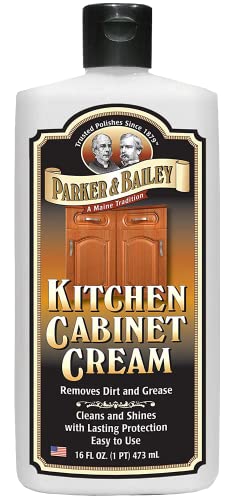
Kitchen Cabinet Creme cleans, restores and removes grease or food stains off your kitchen cabinets

Fast Tough Grease Removal: Specially formulated for kitchen cabinets. No cabinet damage. Removes tough grease buildup and fingerprints that ordinary cleaners can’t tackle. Wipes away instantly. Leaves cabinets fresh and shiny—no streaks, residue or oily film
Regular Maintenance Tips
- Wipe Down Daily: Use a soft cloth and a gentle cleaner to wipe down cabinet surfaces daily. This simple action prevents grease and dust from accumulating.
- Tackle Spills Immediately: Address spills as soon as they happen. Quick cleanups minimize the risk of stains and buildup.
- Use Coasters: For items stored on cabinets, like canisters, place coasters underneath. This protects against moisture and residue.
- Inspect for Damage: Regularly check for scratches and dents. Catching these early allows you to make necessary repairs before they worsen.
- Avoid Excess Moisture: Keep the area around your cabinets dry. Excess moisture can warp materials over time.
Deep Cleaning Schedule
- Monthly Deep Clean: Set aside time once a month for a deep clean. Use this opportunity to remove items, clean thoroughly, and reorganize.
- Seasonal Check: Every season, inspect your cabinets for wear and tear. Replace any damaged hardware or hinges during this time.
- Yearly Deep Clean: Conduct a comprehensive clean at least once a year. Empty cabinets, wash interiors, and refinish surfaces if necessary. This ensures a longer lifespan for your cabinets.
- Use Gentle Products: Stick to non-abrasive cleaners year-round. Harsh chemicals can damage finishes and lead to premature wear.
Following these maintenance tips and schedules helps keep your kitchen cabinets in top shape. Regular attention improves both appearance and durability, ensuring they serve you well for years.
Conclusion
Keeping your kitchen cabinets clean doesn’t have to be a daunting task. With the right supplies and a bit of know-how you can transform those grimy surfaces into shining features of your kitchen. Regular maintenance is key to preserving their beauty and functionality.
By incorporating simple daily and monthly cleaning habits you’ll not only enhance the look of your cabinets but also extend their lifespan. Remember to take your time and enjoy the process. A clean and organized kitchen can make cooking and entertaining so much more enjoyable. Happy cleaning!
Frequently Asked Questions
How do I clean grimy kitchen cabinets effectively?
To clean grimy kitchen cabinets, start by gathering necessary supplies like mild dish soap, vinegar, and soft cloths. Clear out the cabinets and dust surfaces. Mix a gentle cleaning solution, test it on a small area, and wipe down the cabinets, using a baking soda paste for stubborn spots. Rinse the surfaces, dry them, and apply furniture polish for added shine.
What types of kitchen cabinets are available?
There are three main types of kitchen cabinets: stock, custom, and semi-custom. Stock cabinets are pre-made and readily available; custom cabinets are built to your specifications, offering high personalization; semi-custom cabinets allow for some customization within set designs, providing a balance of choice and cost.
What materials are commonly used for kitchen cabinets?
Common materials for kitchen cabinets include wood, MDF, plywood, laminate, and metal. Wood offers durability and aesthetics, while MDF and laminate are budget-friendly and easy to maintain. Plywood is strong and resistant to warping, while metal provides a modern look and is highly durable.
How can I maintain clean kitchen cabinets?
To maintain clean kitchen cabinets, perform regular wipe-downs, clean up spills immediately, and use coasters underneath items. Inspect cabinets for damage periodically, and establish a deep cleaning schedule, including monthly and seasonal tasks, to keep cabinets in top condition.
What cleaning supplies are best for kitchen cabinets?
Ideal cleaning supplies for kitchen cabinets include mild dish soap, vinegar, baking soda, and furniture polish. Use soft cloths, non-abrasive sponges, and soft-bristled brushes to avoid damaging surfaces. Organizing these supplies will help streamline the cleaning process.
How often should I deep clean my kitchen cabinets?
Deep cleaning your kitchen cabinets should be done at least once every three to six months. Additionally, create a seasonal and yearly schedule for thorough cleanings to ensure cabinets remain in excellent condition and to prevent grease and grime buildup.
