
Key Takeaways
- Enhanced Hygiene: Regular kitchen cleaning reduces the risk of foodborne illnesses and keeps pests at bay, promoting a safer cooking environment.
- Increased Efficiency: An organized kitchen allows for quick access to utensils and ingredients, saving time during meal preparation.
- Positive Atmosphere: A tidy kitchen creates a welcoming space for family and friends, fostering enjoyable cooking and dining experiences.
- Essential Cleaning Supplies: Having the right tools and products, like microfiber cloths, sponges, and all-purpose cleaners, makes the cleaning process more effective.
- Step-by-Step Cleaning Guide: Following a structured cleaning plan ensures a thorough cleanse of surfaces, appliances, and storage areas, maintaining an organized kitchen.
- Consistent Maintenance Routines: Implementing daily, weekly, and monthly cleaning tasks helps maintain a clean kitchen, preventing clutter and enhancing overall kitchen management.
Is your kitchen feeling more chaotic than clean? You’re not alone. Many people struggle with keeping this essential space tidy and sanitary, often feeling overwhelmed by the mess that piles up.
Importance Of Cleaning Your Kitchen
Cleaning your kitchen enhances overall hygiene. A clean kitchen reduces the risk of foodborne illnesses caused by bacteria. Regular cleaning minimizes cross-contamination from raw foods, ensuring a safer cooking environment.
Cleaning your kitchen also improves food safety. It eliminates pests attracted by crumbs and spills. Keeping surfaces sanitized stops unwanted guests like rodents and insects from invading your space.
A clean kitchen boosts efficiency. When everything is organized, you can easily find utensils, pots, and ingredients. This saves time during meal preparation, allowing you to focus on cooking instead of searching for items.
Cleaning encourages a pleasant atmosphere. A tidy kitchen creates a welcoming space for family gatherings and socializing with friends. It fosters a positive environment for cooking and enjoying meals together.
Cleaning reduces unpleasant odors. Lingering smells from spoiled food can affect your enjoyment of cooking and eating. Regularly cleaning your kitchen prevents odors from building up and keeps the space fresh.
Lastly, a clean kitchen promotes mental well-being. Clutter can overwhelm you, causing stress and anxiety. A clean environment promotes calmness and helps you feel in control of your space.
Essential Cleaning Supplies
Cleaning your kitchen requires the right tools and products. Having these essentials on hand makes the process efficient and effective.
Recommended Products
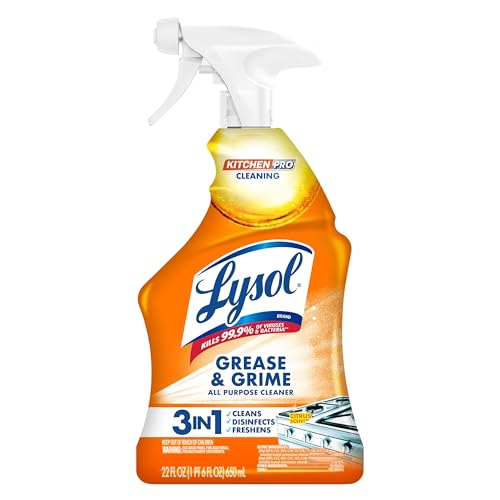
ELIMINATES 99.9% OF KITCHEN VIRUSES AND BACTERIA INCLUDNG SALMONELLA AND E.COLI: Lysol Pro Kitchen Cleaner is tested and proven to eliminate 99.9% of viruses and bacteria* (when used as directed). EPA Reg #777-91.

#1 Most effective Heavy-Duty Degreaser – This Heavy Duty formula breaks down stubborn grease and grime for a deep clean in seconds!
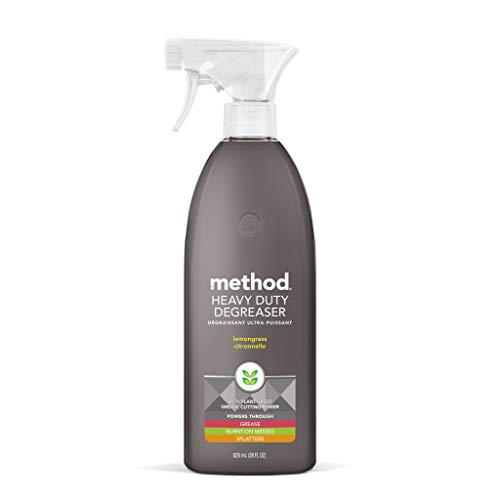
Contains (1) 28 ounce bottle of heavy duty degreaser.
Must-Have Tools
- Microfiber Cloths: Use these for wiping down surfaces. They capture dirt and grime without scratching.
- Sponges: Keep several types handy. A sponge with a scrubbing side tackles tough stains, while a softer side works for delicate surfaces.
- Scrub Brush: Choose one with stiff bristles for pots, pans, and baked-on messes.
- Broom and Dustpan: A broom is great for sweeping up crumbs. Pair it with a dustpan for easy collection.
- Mop: Opt for a flat mop for quick floor cleaning. It’s efficient and easy to store.
- Trash Bags: Stock different sizes for regular waste and recyclables. They keep your kitchen neat as you clean.
Cleaning Products to Consider
- All-Purpose Cleaner: Choose a versatile cleaner that works on countertops, appliances, and cabinets. Look for one with disinfecting properties.
- Degreaser: Use a degreaser for stovetops and greasy pans. It cuts through tough residue effectively.
- Disinfectant Wipes: Handy for quick cleanups. They’re perfect for surfaces that come into contact with food.
- Glass Cleaner: Keep your kitchen windows and appliances shining. A good glass cleaner prevents streaks.
- Baking Soda: This is great for scrubbing and deodorizing. Use it to clean the fridge or as a gentle abrasive.
- Vinegar: A natural cleaner and deodorizer. Mix equal parts vinegar and water for an effective surface cleaner.
Keeping these tools and products ready ensures you tackle kitchen messes with ease.
Step-By-Step Guide To Cleaning Your Kitchen
Cleaning your kitchen doesn’t have to be overwhelming. Follow these steps to ensure a thorough clean and maintain a tidy space.
Preparing The Area
- Clear the countertops: Remove all items from your countertops, including small appliances and utensils.
- Gather supplies: Collect your cleaning tools and products for easy access. This includes microfiber cloths, sponges, an all-purpose cleaner, disinfectant wipes, and trash bags.
- Wear gloves: Protect your hands from chemicals by wearing rubber gloves during the cleaning process.
Cleaning Countertops And Surfaces
- Dust surfaces: Use a microfiber cloth to dust off countertops and cabinets, removing crumbs and debris.
- Apply cleaner: Spray an all-purpose cleaner onto the surfaces. Let it sit for a minute to loosen grime.
- Wipe down: Use a clean cloth or sponge to wipe surfaces in a circular motion. Pay attention to corners and edges.
- Disinfect: Follow up by using disinfectant wipes for an extra layer of cleanliness, especially on high-touch areas.
Deep Cleaning Appliances
- Refrigerator: Empty the fridge and check expiration dates on items. Wipe down shelves with a baking soda and water solution. Replace items and organize by category.
- Oven: Remove racks and soak them in warm soapy water. Use a degreaser for the oven’s interior. Rinse with a damp cloth to eliminate any residue.
- Microwave: Place a bowl of water with lemon slices inside the microwave. Heat for five minutes to loosen grime. Wipe the interior with a cloth after cooling.
- Dishwasher: Place a cup of vinegar on the top rack and run a hot cycle to clean and deodorize. Wipe down the exterior with a damp cloth.
Organizing Cabinets And Drawers
- Empty cabinets: Take everything out of your cabinets and drawers to start fresh.
- Sort items: Group similar items together, such as pots, pans, dishes, and utensils. Consider donating items you no longer use.
- Clean inside: Wipe down the insides of cabinets with a damp cloth and let them dry.
- Return items: Place items back neatly. Stack pots and pans to save space, and keep frequently used utensils at the front for easy access.
By following these steps, you can maintain a clean and organized kitchen that enhances your cooking experience and contributes to a healthier home.
Maintaining A Clean Kitchen
A clean kitchen reflects your commitment to hygiene and organization. Establishing effective routines simplifies kitchen management and enhances your cooking experience.
Daily Habits
- Wipe Down Surfaces: After meals, use a microfiber cloth and an all-purpose cleaner to quickly wipe countertops and tables. This prevents buildup and maintains cleanliness.
- Do the Dishes: Wash or load dishes into the dishwasher immediately after eating. Clean dishes reduce clutter and prevent pest attraction.
- Sweep the Floor: Sweep daily to remove crumbs. This keeps your kitchen tidy and prevents pests.
- Take Out the Trash: Empty trash bins daily to avoid unpleasant odors and contamination.
- Check the Fridge: Discard expired food and leftovers each day to maintain an organized refrigerator.
Weekly And Monthly Tasks
- Weekly Cleaning: Set aside time each week for a comprehensive clean.
- Scrub Surfaces: Thoroughly clean countertops, stovetops, and backsplashes with a degreaser for stubborn stains.
- Vacuum or Mop Floors: Depending on your kitchen floor type, vacuum or mop weekly for a spotless finish.
- Deep Clean Appliances: Clean the inside of your microwave, fridge, and oven with appropriate cleaners to remove stains and odors.
- Monthly Maintenance: Incorporate these tasks into your monthly cleaning schedule.
- Organize Cabinets: Empty cabinets and drawers, sorting through items to discard or donate what you no longer use.
- Wash Trash Cans: Clean trash cans with disinfectant to eliminate odors and bacteria.
- Check Pantry: Inspect your pantry for expired items and organize dry goods for easier access.
By implementing these daily, weekly, and monthly tasks, you ensure that your kitchen remains a clean, efficient space ready for cooking and gathering.
Conclusion
Keeping your kitchen clean doesn’t have to be a daunting task. By incorporating the right tools and products into your routine you can make the process easier and more enjoyable. Remember that a clean kitchen not only enhances your cooking experience but also creates a welcoming space for family and friends.
Establishing daily weekly and monthly cleaning habits will help you maintain that fresh and organized feel. With a little effort and consistency you’ll find that a clean kitchen brings peace of mind and boosts your overall well-being. So roll up your sleeves and enjoy the satisfaction of a sparkling kitchen ready for your next culinary adventure.
Frequently Asked Questions
Why is maintaining a clean kitchen important?
A clean kitchen is essential for hygiene, reducing the risk of foodborne illnesses, and improving food safety by preventing pests. It also enhances efficiency in finding utensils and ingredients, creates a pleasant atmosphere for social gatherings, and promotes mental well-being by reducing stress associated with clutter.
What cleaning supplies do I need for my kitchen?
Essential cleaning supplies include microfiber cloths, various sponges, a scrub brush, a broom and dustpan, a flat mop, and trash bags. Recommended cleaning products are an all-purpose cleaner, degreaser, disinfectant wipes, glass cleaner, baking soda, and vinegar. These tools help tackle messes effectively.
What are the steps to clean my kitchen?
To clean your kitchen, start by preparing the area: clear countertops, gather your supplies, and wear gloves. Next, clean countertops by dusting, applying cleaner, wiping down, and disinfecting. Deep clean appliances like the refrigerator and oven, and organize cabinets and drawers for efficiency.
How can I maintain a clean kitchen daily?
Daily maintenance includes wiping down surfaces after meals, promptly doing the dishes, sweeping the floor, taking out the trash, and checking the fridge for expired items. These simple habits ensure your kitchen stays tidy and ready for cooking.
What are some weekly and monthly kitchen cleaning tasks?
Weekly tasks include scrubbing surfaces, vacuuming or mopping floors, and deep cleaning appliances. Monthly maintenance involves organizing cabinets, washing trash cans, and inspecting the pantry for expired goods. Following these routines helps keep your kitchen clean and efficient.
