
Key Takeaways
- Identify Common Causes: Understanding the frequent sources of kitchen drain blockages such as food particles, grease buildup, and foreign objects is crucial for prevention.
- Recognize Signs of Clogs: Pay attention to slow drainage, unpleasant odors, and gurgling sounds, as these are early indicators of a potential blockage.
- Essential Tools and Supplies: Keep a plunger, drain snake, and basic cleaning supplies like baking soda and vinegar handy for effectively clearing blockages.
- Follow Step-by-Step Methods: Use proven techniques such as boiling water, baking soda and vinegar, and plumber’s snakes to efficiently clear kitchen drain clogs.
- Implement Preventive Maintenance: Regularly clean your drains and avoid disposing of problematic items like grease and coffee grounds to reduce the risk of clogs.
- Act Quickly on Clogs: Addressing drain issues promptly can prevent more severe plumbing problems and save you time and money in the long run.
Ever found yourself standing in front of a kitchen sink filled with water that just won’t drain? You’re not alone. A clogged drain can turn cooking into a frustrating experience, but the good news is you don’t need to call a plumber right away.
Understanding Kitchen Drain Blocks
Kitchen drain blocks occur frequently and can disrupt your cooking routines. Knowing their causes and signs helps you address clogs quickly.
Common Causes of Drain Blockages
- Food Particles: Food remnants, especially starchy items like rice or pasta, can stick to drain walls.
- Grease Buildup: Pouring fats or oils down the drain solidifies over time, forming a thick layer that restricts water flow.
- Soap Residue: Some soaps leave a sticky residue that binds with food debris and builds up in pipes.
- Hair Lint: Hair and lint can easily gather at the trap and create blockages if washed down inadvertently.
- Foreign Objects: Utensils, packaging, and other items can accidentally fall into the drain and obstruct its flow.
Signs Your Kitchen Drain is Clogged
- Slow Drainage: Water takes longer to go down the sink, indicating an impending block.
- Unpleasant Odors: Foul smells suggest decomposing food trapped in the pipes.
- Gurgling Sounds: Bubbles or gurgling noises can signal air trying to escape through a partially blocked drain.
- Water Backup: In severe cases, water may back up into the sink, making it unusable.
- Frequent Need for Cleaning: Constantly finding yourself needing to clean the sink indicates a persistent drainage issue.
Recognizing these causes and signs helps you take the right steps in clearing a kitchen drain block.
Tools and Materials Needed
Clearing a kitchen drain blockage requires the right tools and cleaning supplies. Gather these items to tackle the problem efficiently.
Recommended Products

Clear Blockages Fast: Simply place the large opening over your clogged plug and pump it two times. This small kitchen sink plunger is guaranteed to clear more in 10 seconds than any other type of plunger.

Clear Sink Blockages Fast: Place the large opening of your kitchen sink plunger over your clogged plug pump it a two times. You'll clear more in 10 seconds than any other type of plunger.

【Compact Sink Plunger Kitchen】This mini plunger provides powerful push with multiple presses to easily clear any clog in your kitchen sink, shower or tub
Essential Tools for Clearing Drains
- Plunger: Use a plunger to dislodge minor clogs by creating suction.
- Drain Snake: A drain snake helps in reaching further blockages within pipes.
- Bucket: Place a bucket under the sink to catch any water or debris when clearing the drain.
- Adjustable Wrench: Utilize an adjustable wrench to loosen or tighten plumbing fittings.
- Screwdriver: Get a screwdriver to remove trap access, if needed.
- Gloves: Wear rubber gloves to protect your hands during the cleaning process.
Recommended Cleaning Supplies
- Baking Soda: Pour baking soda down the drain to help break down grease and debris.
- Vinegar: Use vinegar alongside baking soda for a natural cleaning reaction.
- Enzyme Cleaner: Consider an enzyme cleaner specifically designed to break down organic material in drains.
- Hot Water: Pouring hot water down the drain can assist in dissolving grease.
- Dish Soap: Use a few drops of dish soap to cut through any stubborn grease buildup.
Step-by-Step Guide on How to Clear Kitchen Drain Block
Follow these methods to quickly clear a blocked kitchen drain using simple, effective techniques.
Recommended Products

Professional: This professional plumbers snake comes complete with 25 ft Steel, more than enough for most household clog, keeping your drains flowing smoothly. In addition, the pipe snake comes with a pair of gloves, which help to keep your hands clean and safe. What's more the springs can be stored in the drum to keep it tidy than conventional drain cleaner.
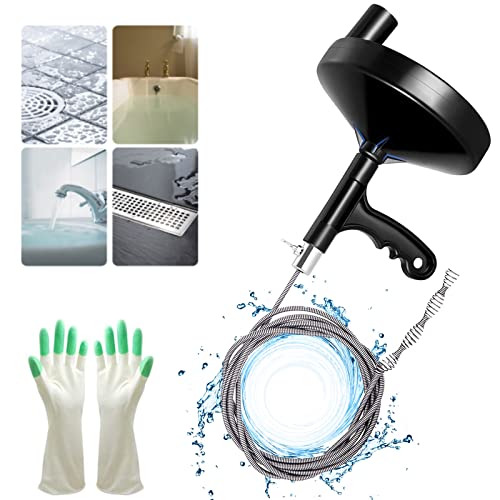
25 Ft of Flexible Steel Wire Easier to Reach Deeper Clogs: This professional plumbing snake drains auger comes with 25 ft of heavy-duty spring steel cable that goes beyond traps to remove most common household clogs. Highly effective drum auger for unclogging drains and keeping your drains flowing smoothly

【VALUABLE COMBINATION】8 pack of drain cleaning snake will fulfill your need to remove hair and other blockage.
Method 1: Boiling Water
- Heat Water: Bring a kettle of water to a rolling boil.
- Pour Slowly: Carefully pour the boiling water directly into the drain. This can dissolve grease and other soft blockages.
- Repeat as Needed: If the drain remains blocked, wait a few minutes and repeat the process. Multiple pours may help clear stubborn clogs.
Method 2: Baking Soda and Vinegar
- Prepare Mixture: First, pour 1 cup of baking soda down the drain.
- Add Vinegar: Then, follow with 1 cup of vinegar. Allow the mixture to fizz and react for about 15 minutes.
- Flush with Hot Water: Finally, flush the drain with boiling water. This combination effectively breaks down buildup and clears blockages.
Method 3: Plumber’s Snake
- Insert Snake: Feed the plumber’s snake into the drain until you reach the blockage.
- Rotate and Push: Rotate the handle while pushing it deeper into the drain. This helps snag and break apart the clog.
- Pull Out Debris: Once you feel resistance, pull the snake out slowly, bringing any blockage with it.
Method 4: Chemical Drain Cleaners
- Choose a Cleaner: Select a chemical drain cleaner that’s appropriate for your plumbing system.
- Follow Instructions: Carefully read and follow the manufacturer’s instructions on the product label.
- Flush Well: After using the cleaner, flush the drain thoroughly with water to clear any remaining chemicals and debris.
These methods offer practical solutions to clear your kitchen drain. It’s important to act quickly at the first signs of clogs to prevent further issues.
Preventive Measures for Drain Maintenance
Preventive measures help keep your kitchen drains flowing smoothly. A few simple habits can save you from dealing with clogs in the future.
Recommended Products

【EXCELLENT LENGTH】Metal clog remover is 35.5 inches long with a claw extending from the top, which could easily insert to deeper pipes, and grab the blockage and hair. Drain snake is 25 inches long with tiny hooked teeth on it, which is perfect to insert and easy to pull out hair and blockage. Cleaning brush is bendable and durable for daily cleaning of pipe inner wall.
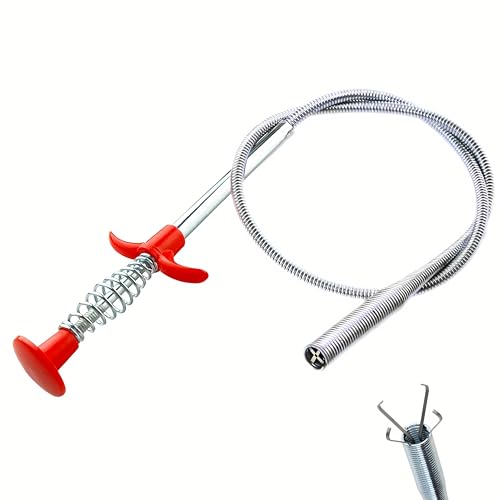
Extremely Slender. The diameter of tube ONLY 0.7cm. Our Grabber Tool is perfect for picking up small items in narrow spaces.

Package Includes: This value pack comes with 4 pack of 25" drain clog remover cleaning tools. The width of each hair drain clog remover is 0.45 inches. Please measure your drain opening to ensure it is larger than 0.5 inches before purchasing
Regular Cleaning Tips
- Clean drains weekly. Pour hot water down the drain to dissolve grease. This practice helps prevent buildup before it starts.
- Use baking soda and vinegar monthly. Pour half a cup of baking soda followed by half a cup of vinegar. Let it sit for about 30 minutes, then rinse with hot water. This combination effectively breaks down residue and odors.
- Check for debris. Regularly inspect the drain strainer and remove any food particles or debris. This small step can make a big difference in maintaining clear drains.
Items to Avoid Disposing in the Sink
- Grease and fats. Never pour grease down the sink. It solidifies and causes blockages. Instead, collect it in a jar and dispose of it in the trash.
- Coffee grounds. Avoid rinsing coffee grounds down the drain. They can accumulate and create sludge. Always dispose of them in the compost or trash.
- Fibrous foods. Avoid putting items like potato peels, celery, and onion skins in the sink. Their fibrous nature can tangle and cause clogs.
- Paper products. Do not flush paper towels or napkins. They don’t break down like toilet paper and lead to drain issues.
- Small foreign objects. Ensure not to let any small items, such as utensils or wrappers, slip into the sink.
Practicing these preventive measures increases the lifespan of your kitchen drain and reduces the likelihood of frustrating clogs.
Conclusion
Dealing with a clogged kitchen drain can be a hassle but you’ve got the tools and knowledge to tackle it head-on. By understanding the common causes and signs of blockages you can act quickly and avoid bigger problems down the line.
Remember to keep your kitchen drain clean with regular maintenance and be mindful of what goes down the sink. With a little effort you can enjoy a smoothly running kitchen and keep those cooking frustrations at bay. Happy cooking and here’s to clear drains!
Frequently Asked Questions
What causes kitchen drains to clog?
Common causes of kitchen drain clogs include food particles, grease buildup, soap residue, hair lint, and foreign objects. High-fat foods create grease residue, while soap can mix with grease and other materials, forming blockages.
How can I tell if my kitchen drain is clogged?
Signs of a clogged kitchen drain include slow drainage, unpleasant odors, gurgling sounds, water backup, and the need for frequent cleaning. Recognizing these signs early can help you take quick action to resolve the issue.
What tools do I need to clear a clogged kitchen drain?
Essential tools for clearing a clogged kitchen drain include a plunger, drain snake, bucket, adjustable wrench, screwdriver, and rubber gloves. These tools will help you tackle minor and deeper blockages safely and effectively.
What natural cleaning supplies can I use for my drain?
Natural cleaning supplies include baking soda and vinegar, which react to break down buildup, and hot water to dissolve grease. Dish soap is also effective for cutting through stubborn residue, providing a safe cleaning option.
How do I prevent my kitchen drain from clogging?
To prevent clogs, regularly pour hot water down the drain, and use a baking soda and vinegar mixture monthly to break down residue. Avoid disposing of grease, coffee grounds, fibrous foods, and foreign objects in the sink to maintain clear drains.
