
Key Takeaways
- Surface Preparation is Key: Cleaning kitchen cabinets before painting is essential for optimal paint adhesion, preventing peeling and uneven finishes.
- Effective Cleaning Solutions: Use a mixture of warm water and mild detergent, vinegar solutions, or commercial degreasers to remove dirt and grease effectively.
- Use the Right Tools: Equip yourself with soft cloths, scrub brushes, and buckets for efficient cleaning and preparation before painting.
- Step-by-Step Process: Follow a structured cleaning process that includes removing grease, rinsing, drying, and inspecting cabinets for imperfections.
- Testing and Ventilation: Always test cleaning solutions on a small area first and ensure proper ventilation during the cleaning process to enhance safety and effectiveness.
Have you ever thought about giving your kitchen a fresh look but felt overwhelmed by the prep work? Cleaning your kitchen cabinets before painting is crucial to achieving a smooth and lasting finish. Without the right steps, your beautiful new color might not stick or could look uneven.
Importance Of Cleaning Kitchen Cabinets Before Painting
Cleaning kitchen cabinets before painting ensures the best possible surface for adhesion. A clean surface allows paint to stick properly, preventing peeling and chipping.
Dust and grease can hinder paint from bonding. If you skip this step, you risk having paint that won’t adhere well, leading to an uneven finish. For example, cabinets that remain uncleaned might show streaks or uneven color after painting.
Using the right cleaning solutions removes built-up grime and old polish. For instance, a mix of warm water and a mild detergent works well on most surfaces. Using a degreaser may be necessary for oily surfaces.
Inspecting the cabinets is crucial after cleaning. Look for any imperfections like scratches or dents. Address these issues before painting to ensure a smooth finish.
Preparation also enhances the longevity of your newly painted cabinets. Clean cabinets create a solid foundation for your new color, making all the difference in durability and appearance.
Best Cleaning Solutions
Cleaning kitchen cabinets before painting is crucial for achieving a smooth finish. Here are some effective cleaning solutions.
Recommended Products
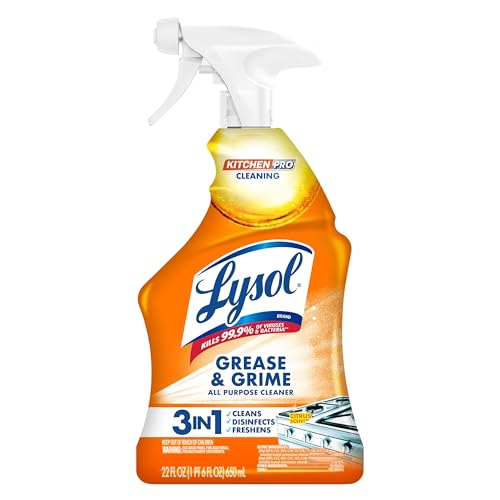
ELIMINATES 99.9% OF KITCHEN VIRUSES AND BACTERIA INCLUDNG SALMONELLA AND E.COLI: Lysol Pro Kitchen Cleaner is tested and proven to eliminate 99.9% of viruses and bacteria* (when used as directed). EPA Reg #777-91.

CABINET & FURNITURE CLEANER: Removes dirt, grime & grease buildup
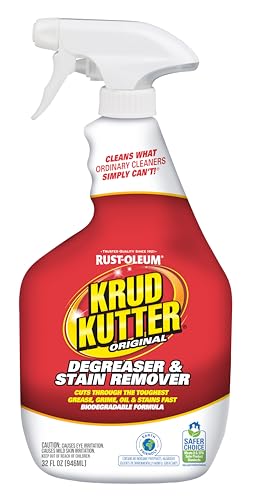
Heavy Duty Degreasing Performance: Helps break down grease, oil, grime, wax, and tough stains across a wide range of surfaces
Soap And Water
Use a mixture of warm water and a mild dish soap for a quick and effective cleaning solution.
- Mix one tablespoon of dish soap with a gallon of warm water.
- Dampen a sponge or cloth in the solution and wring it out.
- Wipe the cabinet surfaces, focusing on areas with buildup.
- Rinse with a clean damp cloth to remove soap residue.
This method is suitable for most cabinet finishes and removes light dirt and grease.
Vinegar Solution
A vinegar solution offers a natural alternative for tackling tougher grime and oils.
- Combine equal parts of white vinegar and water in a spray bottle.
- Spray the solution on the cabinet surfaces.
- Let it sit for a few minutes to break down the grease.
- Wipe clean with a cloth or sponge.
This solution is especially effective for greasy areas and won’t leave harmful residues.
Commercial Cleaners
Commercial cleaners provide a powerful option for very dirty or greasy cabinets.
- Choose a cleaner labeled for degreasing and safe for kitchen use.
- Follow the manufacturer’s instructions for application.
- Apply the cleaner generously to the surfaces, letting it sit as recommended.
- Wipe away with a cloth or sponge, ensuring all cleaner is removed.
These products can quickly cut through heavy grime, making them ideal for cabinets that’ve seen years of cooking and spills.
Tools Needed For The Cleaning Process
Cleaning kitchen cabinets properly requires specific tools. Using the right equipment ensures effective cleaning and prepares the surface for painting.
Soft Cloths
Soft cloths are essential for wiping surfaces without scratching. Use microfiber cloths or lint-free cloths to capture dust and grime efficiently. Dampen the cloth with your cleaning solution for easy removal of light dirt. Always keep a few clean, dry cloths on hand for final touches and drying.
Scrub Brushes
Scrub brushes help tackle tougher stains and greasy spots. Choose brushes with soft or medium bristles to prevent damaging the cabinet finish. Focus on areas with heavy buildup, using gentle pressure to avoid scratches. For best results, combine scrub brushes with a suitable cleaner, such as a degreaser, for powerful stain removal.
Buckets
Buckets hold cleaning solutions and make the process more organized. Use a standard bucket for mixing your soap and water solution. Optionally, have a second bucket for rinsing cloths to avoid spreading dirt back onto cabinets. A clean, designated bucket ensures easy access to your cleaning materials without mess.
Step-By-Step Cleaning Process
A proper cleaning process sets the foundation for a successful painting job. Follow these steps to prepare your kitchen cabinets effectively.
Recommended Products

Powerful Degreasing Formula: Simply and easily remove unwanted grease from kitchen cabinets and fixtures, tools, and other surfaces requiring a heavy duty clean

40 YEARS OF FINISHING EXPERTISE – Created by second-generation kitchen specialists who understand the science of wood finishes. Our professional kitchen cabinet cleaner is specially designed as a safe wood cabinet cleaner that protects finishes while cleaning.

Complete Cleaning Kit for Effortless Cabinet Care - Everything you need for spotless cabinets in one easy set. This kitchen cabinet cleaner kit includes a precision cleaning brush, and an 8 oz bottle with a calibrated spray top for even coverage. The cabinet cleaner for wood offers a smooth application, while the long-lasting cabinet cleaner degreaser helps you keep your cabinets looking cared for day after day.
Removing Grease And Grime
- Prepare Your Cleaning Solution: Mix warm water with a few drops of mild detergent in a bucket. For greasy areas, consider using a commercial degreaser or a vinegar solution (equal parts vinegar and water).
- Apply the Solution: Dampen a soft cloth or sponge in the cleaning solution. Wipe down the cabinet surfaces, focusing on areas with visible grease or built-up grime.
- Scrub Tough Spots: Use a scrub brush for persistent stains. Apply a bit more cleaning solution to those areas for better results. Avoid abrasive pads, as they can scratch the surface.
- Tackle Hinges and Handles: Don’t forget to clean hinges and handles. They often collect dirt and grease. Use a small brush or toothbrush to reach into crevices.
Rinsing And Drying
- Rinse the Cabinets: After cleaning, rinse your cloth in a bucket of clean water. Wipe down all surfaces again to remove any soap residue.
- Dry Thoroughly: Use a dry cloth to wipe the cabinets. Ensure they’re completely dry before applying paint. This step prevents moisture from interfering with adhesion.
- Inspect for Imperfections: Look for scratches, dents, or peeling areas. Address these imperfections before painting to achieve a smooth finish.
Following this step-by-step process ensures your kitchen cabinets are clean and ready for a fresh coat of paint.
Tips For Effective Cleaning
Effective cleaning is crucial for preparing kitchen cabinets before painting. Here are some key tips to enhance your cleaning process.
Test On A Small Area
Testing cleaning solutions on a small, inconspicuous area is essential. Choose a corner or the back of a cabinet door for your test. This step helps identify how the surface reacts to the cleaning solution and ensures it won’t damage the finish. Allow the area to dry completely before determining if it’s safe to proceed with cleaning the entire cabinet.
Proper Ventilation
Proper ventilation significantly improves your cleaning experience. Open windows and doors to create airflow. Use fans, if available, to enhance circulation. Adequate ventilation reduces the buildup of harmful fumes from cleaners, like degreasers. It also helps cabinets dry faster after cleaning, preventing moisture issues that could affect paint adhesion.
Conclusion
Taking the time to properly clean your kitchen cabinets before painting is key to achieving a beautiful and lasting finish. With the right cleaning solutions and tools in hand you can tackle dirt and grease effectively. Remember to inspect your cabinets for any imperfections after cleaning to ensure a smooth surface for paint application.
By following the steps outlined you’ll not only enhance the look of your cabinets but also extend the life of your new paint job. So gather your supplies and get ready to transform your kitchen with a fresh coat of paint that you can be proud of!
Frequently Asked Questions
Why is it important to clean kitchen cabinets before painting?
Cleaning kitchen cabinets before painting is crucial for proper paint adhesion. Dust, dirt, and grease can prevent the paint from sticking, leading to issues like peeling and chipping. A clean surface ensures a smooth and durable finish, enhancing the overall appearance and longevity of the paint job.
What cleaning solutions are recommended for kitchen cabinets?
For light dirt and grease, a mix of warm water and mild detergent works well. For tougher grime, a vinegar solution is a natural alternative. If cabinets are very oily, consider using commercial degreasers designed specifically for this purpose.
What tools do I need to clean kitchen cabinets effectively?
Essential tools include soft cloths for gently wiping surfaces, scrub brushes for tougher stains, and buckets for organizing cleaning solutions. Having a separate bucket for rinsing cloths helps prevent spreading dirt during the cleaning process.
How should I clean kitchen cabinets step by step?
Start by preparing your cleaning solution. Apply it to the surfaces, scrubbing tough spots with a brush. Clean hinges and handles, rinse cabinets to remove residue, and dry them thoroughly. Finally, inspect for any imperfections before painting to ensure an even finish.
How can I ensure my cleaning solution won’t damage my cabinets?
Always test your cleaning solution on a small, inconspicuous area first to check for any adverse reactions. This precaution helps prevent damage to the cabinet finish and ensures compatibility with the cleaning solution you choose.
Why is ventilation important during the cleaning process?
Proper ventilation helps reduce harmful fumes from cleaning products, promoting a safer environment. It also aids in faster drying, which is essential for optimal paint adhesion. Ensuring good airflow during cleaning can enhance the overall effectiveness of the project.
