
Key Takeaways
- Identify Stain Types: Recognize the different types of stains your kitchen towels may encounter, including food, grease, beverage, biological, and dye stains, to apply the correct cleaning methods.
- Pre-Cleaning Preparation: Sort kitchen towels by color and fabric, and assess stains to determine appropriate treatment. Pre-treating stains effectively improves cleaning outcomes.
- Effective Cleaning Techniques: Utilize both hand washing and machine washing methods, along with natural cleaners like vinegar, baking soda, and lemon juice, to tackle tough stains and maintain fabric integrity.
- Preventive Measures: Reduce future stains by using separate towels for different tasks, handling fabrics gently, and promptly cleaning up spills to avoid set-in stains.
- Regular Maintenance: Implement a consistent washing routine and soak stained towels before washing to keep kitchen towels fresh and prolong their lifespan.
- Temperature Matters: Always pay attention to washing temperatures; hotter water is generally better for grease removal, but can worsen certain stains, so choose wisely based on fabric type.
Ever pulled a stained kitchen towel out of the drawer and wondered how it got that way? You’re not alone. Kitchen towels take a beating from spills, splatters, and everyday use, leaving them looking less than fresh.
Understanding Kitchen Towel Stains
Kitchen towels frequently encounter various stains due to their daily use. Knowing the types of stains and the factors affecting their removal helps you take effective action.
Common Types of Stains
- Food stains: Spills from sauces, oils, and fruits create noticeable marks. Examples include tomato sauce, mustard, and berry juice.
- Grease stains: Cooking often involves oil, leading to greasy spots. These stains are stubborn and require special attention.
- Beverage stains: Drinks like coffee, tea, and wine can leave behind difficult-to-remove discoloration.
- Biological stains: Bacteria and mold can grow on wet towels. This can cause unpleasant odors and discoloration.
- Dye stains: Wash with colored items can transfer dyes onto your towels, creating unexpected stains.
Factors That Affect Stain Removal
- Type of fabric: Cotton blends typically withstand harsher treatments, while delicate fabrics may require gentle cleaning.
- Age of the stain: Fresh stains are usually easier to remove than those that have set in over time.
- Cleaning method: Hot water can help lift some stains but may worsen others, like blood or dyes. It’s essential to choose appropriate temperatures.
- Additional products: Using bleach, vinegar, or baking soda can enhance stain removal, though caution is needed to avoid fabric damage.
- Drying conditions: Heat from dryers can set stains, making them harder to eliminate. Always air-dry stained towels until you’re sure the stains are gone.
Pre-Cleaning Preparation
Before tackling stained kitchen towels, prepare effectively to maximize cleaning results. Follow these actionable steps to get started.
Recommended Products

One 5 lb box of OxiClean Odor Blasters Versatile Odor Eliminator and Stain Remover Powder laundry booster to get out tough stains and stubborn smells

One 5 lb container of OxiClean Stain Remover Powder with over 101 uses for laundry and around the home

Stone Care International Stone Stain Remover - 10 Ounce - Stain Remover for Food, Coffee, Red Wine, Ink, Mildew, Oil Stains
Sorting Towels by Color and Fabric
Sort kitchen towels into categories based on color and fabric type.
- Color: Separate white towels from colored ones. This prevents color bleeding, preserving the brightness of whites.
- Fabric: Group similar fabrics together. Cotton towels can withstand higher temperatures, while delicate fabrics require gentler handling.
Assessing and Treating Stains
Assess each stain to determine the best treatment method.
- Identify the Stain: Check what caused the stain. For example, food stains from sauces require different treatment than grease stains from cooking.
- Pre-Treat: Apply a stain remover directly to the affected area. Use a sponge or cloth to gently rub it in, ensuring it penetrates the fibers.
- Soak If Necessary: For stubborn stains, soak towels in a mixture of water and vinegar or a recommended detergent for 30 minutes before washing.
Organizing and assessing kitchen towels helps ensure effective stain removal, setting the stage for a successful cleaning process.
Effective Cleaning Methods
Cleaning stained kitchen towels requires effective techniques to restore their freshness. Here are some methods you can employ to tackle stains and keep your towels looking new.
Recommended Products

【Heavy Oil Cleaner】This 500ml kitchen foam remover is built for heavy-duty kitchen use. As a grease remover for kitchen surfaces, it breaks down oil stains, burnt-on food, and grime on ovens, stovetops, gas cooktops, and more—leaving your kitchen spotless and fresh

Includes multi-purpose cleaner spray bottle and cleaning towel Everything needed to tackle dirt and grime right out of the box for a complete cleaning experience

Have you ever had trouble changing your cleaning tools frequently to clean different kinds of dishes and kitchen equipment? Our multipurpose wire dishwashing rags for wet and dry can help you solve this problem. Reusable, highly absorbent, easy to remove grease, non-scratch and fast drying.
Hand Washing Techniques
- Gather Supplies: Use a basin, mild detergent, and warm water.
- Pre-treat Stains: Apply a small amount of detergent directly to stains. Rub gently.
- Soak: Place towels in warm, soapy water for 15 to 30 minutes. This loosens stains.
- Scrub: Use a soft brush or cloth to scrub stubborn stains.
- Rinse: Thoroughly rinse with cool water until all soap is gone.
- Air Dry: Hang towels to dry in a well-ventilated area.
Machine Washing Tips
- Sort Your Towels: Separate by color and fabric type to avoid color bleeding.
- Select the Right Cycle: Use a heavy-duty cycle for heavily soiled towels.
- Use Appropriate Detergent: Choose a detergent suitable for your fabric type.
- Add Booster Ingredients: Add baking soda or vinegar for extra cleaning power.
- Check Before Drying: Ensure stains are removed before putting towels in the dryer, as heat can set stains.
Using Natural Cleaners
- Vinegar Solution: Mix equal parts of white vinegar and water. Soak stained areas for 30 minutes before washing.
- Baking Soda Paste: Combine baking soda with a little water to form a paste. Apply to stains and leave for 30 minutes.
- Lemon Juice: Apply lemon juice directly to stains. The acidity helps lift discoloration.
- Salt Scrub: Create a scrub with salt and water for grease stains. Rub it gently into the fabric before washing.
Incorporate these methods into your cleaning routine for effective results. Your kitchen towels will look brighter and cleaner in no time.
Preventing Future Stains
Maintaining the cleanliness of your kitchen towels reduces the likelihood of future stains. Following proper use and care will go a long way in keeping your towels in great condition.
Recommended Products

✅ SNEAKER CLEANER: Grandma's secret sneaker cleaner is the perfect shoe care for your favorite shoes. Whether women's shoes, men's shoes or children's shoes – our shoe cleaner is an ideal choice. Developed and manufactured by sneakers cleaner experts, the special canvas shoe cleaner with its high-end formula removes the most stubborn dirt on materials of all kinds without attacking the shoes.

100% Cotton: Made of 100% natural cotton material, these kitchen towels are long-lasting and odor resistant. They can help you with most of the kitchen cleaning tasks, such as washing dishes and drying the hob
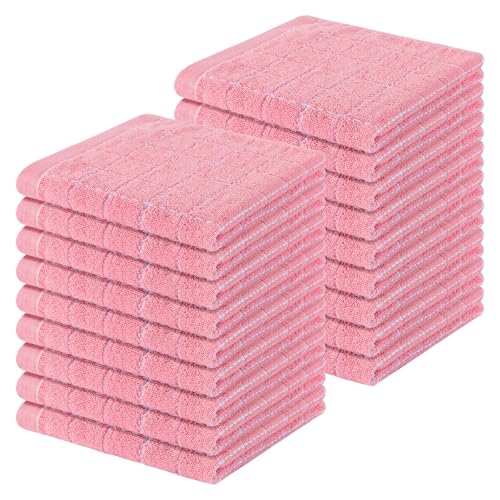
100% Cotton: Made of 100% natural cotton material, these dish towels are long-lasting and odor resistant. They can help you with most of the kitchen cleaning tasks, such as washing dishes and drying the hob
Proper Use and Care
- Use Separate Towels: Use designated towels for drying hands, dishes, and spills. This reduces cross-contamination and keeps stains contained.
- Avoid Staining Foods: Be cautious with foods that easily stain, such as beets, berry juices, and sauces. Clean spills promptly to prevent permanent marks.
- Handle Gently: Treat your towels with care during use. Rough handling may damage fibers, making them more susceptible to staining and wear.
- Dry Properly: Always dry your towels thoroughly after use. Damp towels can develop odors and bacteria, leading to stains.
Implementing a Cleaning Routine
- Schedule Regular Washes: Wash kitchen towels weekly or more often if heavily used. Frequent cleaning prevents stains from setting.
- Soak Stained Towels: For towels with existing stains, soak them in a mixture of water and vinegar or detergent for 30 minutes before washing. This pre-treatment loosens tough stains.
- Sort by Color and Type: When washing, sort towels by color and fabric type. This prevents dye transfer and ensures appropriate care for different materials.
- Use Hot Water: Use the hottest water safe for the fabric. Hot water is effective in breaking down grease and stains.
- Incorporate Natural Cleaners: Use natural agents like baking soda or lemon juice during washing for added stain-fighting power. These options are gentle yet effective.
By following these tips, you can maintain the quality of your kitchen towels and keep them looking fresh and clean.
Conclusion
Keeping your kitchen towels fresh and stain-free doesn’t have to be a daunting task. By understanding the types of stains and using the right cleaning methods you can restore their brightness and extend their lifespan.
Remember to sort your towels and treat stains promptly for the best results. Incorporating natural cleaning solutions can also make a big difference.
With a little effort and a consistent cleaning routine you’ll have towels that not only look great but also keep your kitchen hygienic. So go ahead and put these tips into practice and enjoy the satisfaction of clean and vibrant kitchen towels.
Frequently Asked Questions
What causes kitchen towels to get stained easily?
Kitchen towels commonly get stained due to frequent spills from food, beverages, and cooking. Types of stains can include grease, dyes from colored items, or even biological stains from bacteria and mold.
How can I remove stubborn stains from kitchen towels?
To remove stubborn stains, pre-treat them with stain removers, soak in a mixture of water and vinegar or detergent, and scrub gently before washing. For tougher stains, consider using bleach responsibly.
Is machine washing or hand washing better for cleaning kitchen towels?
Both methods can be effective. Hand washing provides more control over stain treatment, while machine washing is convenient for regular cleaning. Choose the method that best suits the stubbornness of the stains and your preference.
Can natural solutions help in cleaning kitchen towels?
Yes, natural solutions like vinegar, baking soda, lemon juice, and salt scrubs can effectively tackle stains and odors. They can be used alone or in combination with regular detergents for better results.
How can I prevent future stains on kitchen towels?
To prevent stains, use separate towels for different tasks, avoid contact with staining foods, wash towels frequently, and dry them thoroughly after use. Scheduling regular washes can also help maintain their cleanliness.
