
Key Takeaways
- Understand the Role: Kitchen sink rubber flaps are essential for waste management, blocking food particles while allowing water to drain, contributing to overall cleanliness.
- Regular Maintenance is Crucial: Cleaning the rubber flap prevents bacteria growth, clogs, and foul odors, promoting a healthier kitchen environment.
- Gather the Right Tools: Use simple cleaning supplies like dish soap, a scrub brush, baking soda, and vinegar for effective rubber flap maintenance.
- Follow a Simple Cleaning Process: Remove visible debris, scrub with soapy water, rinse thoroughly, dry completely, and reinstall to ensure optimal function.
- Watch for Wear and Tear: Check for signs of aging, such as cracks or discoloration, and replace the flap as needed to maintain performance.
- Establish a Routine: Incorporate regular cleaning of the rubber flap into your kitchen maintenance schedule every few weeks to enhance hygiene and efficiency.
Ever noticed that rubber flap in your kitchen sink? It can get pretty grimy and smelly over time, right? You’re not alone—many people overlook this small but essential part of their kitchen.
Understanding Kitchen Sink Rubber Flaps
Kitchen sink rubber flaps are critical components that help manage waste and prevent unwanted messes. These flaps sit inside the sink’s drain, often linked to disposals or sink strainers. Their primary role involves blocking food particles while allowing water to pass through, making them indispensable for maintaining cleanliness.
Over time, rubber flaps can accumulate grime, grease, and food residues. This buildup not only affects their functionality but also leads to unpleasant odors. Regular cleaning maintains their effectiveness and hygiene.
Recommended Products

[High-Quality Rubber Material]: Garbage disposal splash guard 3 inch is made of durable rubber material with excellent aging resistance, oil resistance, High temperature and plug resistance, and strong adhesion

【No Plumber's Putty Needed】Dual-layer EPE foam gasket + high-elasticity rubber seal ring combo creates instant watertight seal with simple twist-on installation. Eliminate messy traditional putty!
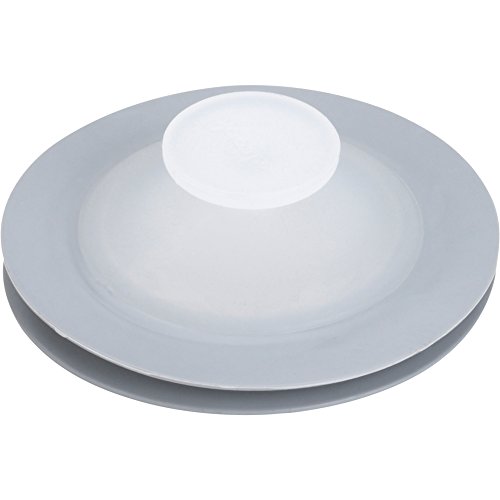
Stops water flow to turn your sink into a tub
Importance of Regular Maintenance
Maintaining kitchen sink rubber flaps is essential for several reasons:
- Hygiene: Regular cleaning minimizes bacteria growth, reducing health risks.
- Functionality: Clean flaps prevent clogs and ensure smooth drainage.
- Longevity: Keeping them clean extends their lifespan, saving you money on replacements.
Common Issues
Several issues can arise with rubber flaps:
- Buildup of debris: Food particles and grease can obstruct the flap’s movement.
- Foul odors: Accumulated grime often leads to unpleasant smells.
- Wear and tear: Over time, rubber flaps can crack or degrade, impacting their performance.
Tools You’ll Need
For proper cleaning, gather the following supplies:
- Dish soap: A simple solution for grease removal.
- Scrub brush or toothbrush: An effective tool for removing debris.
- Baking soda and vinegar: A natural cleaning combo that eliminates odors.
Taking these steps to understand kitchen sink rubber flaps ensures their optimal performance and contributes to an overall clean and healthy kitchen environment.
Why Cleaning Is Important
Cleaning the rubber flap in your kitchen sink is essential for maintaining a healthy kitchen environment. Regular cleaning prevents the buildup of grime and unpleasant odors, ensuring your kitchen stays fresh and functional.
Health Considerations
Dirty rubber flaps can harbor bacteria and mold, posing health risks. Bacteria thrive in damp environments, especially those combined with food residue. By cleaning the flap, you minimize the chances of spreading germs, particularly during meal preparation. Using hot, soapy water or a natural cleaning solution helps eliminate harmful pathogens, promoting a safer cooking space.
Maintenance Benefits
Regular cleaning of the rubber flap enhances its performance and longevity. Neglected flaps can lead to clogs, which may result in costly plumbing repairs. Cleaning prevents debris buildup and preserves the flap’s ability to block food particles while allowing water to flow. Adopt a cleaning routine every few weeks to maximize efficiency and avoid unpleasant issues in the future. Tools like scrub brushes and a mix of baking soda and vinegar work effectively to maintain the flap’s integrity.
Steps to Clean Kitchen Sink Rubber Flap
Cleaning your kitchen sink rubber flap is straightforward and essential for maintaining a hygienic space. Follow these steps to ensure a clean and functional flap.
Recommended Products

VERSATILE DESIGN: Set of 2 black kitchen squeegees perfect for cleaning sinks, countertops, and wiping fruits and vegetables

【High-quality Silicone】Made from durable, one-piece silicone that is soft yet sturdy. The flexible material easily conforms to different sink angles and curves, allowing you to clean hard-to-reach areas without scratching surfaces or coatings. Easy to rinse and quick to dry

CLEAR FLOW FAST: Restore smooth drainage by pulling out hair and buildup; the long drain brush reaches deep bends in sink and shower lines to lift debris instead of pushing it farther down.
Gather Necessary Supplies
Collect the following items before starting the cleaning process:
- Dish soap
- Warm water
- Scrub brush or sponge
- Baking soda
- White vinegar
- Microfiber cloth or paper towels
Step-by-Step Cleaning Process
- Remove Debris: Lift the rubber flap and check for any visible food particles or debris. Use your fingers to pull out any large chunks.
- Prepare Cleaning Solution: Mix a few drops of dish soap into a bowl of warm water. Alternatively, create a natural cleaner using equal parts of baking soda and white vinegar.
- Scrub the Flap: Dip the scrub brush or sponge into the soapy water. Scrub the rubber flap gently, focusing on crevices where grime often hides. For stubborn stains, sprinkle baking soda directly onto the flap before scrubbing.
- Rinse Thoroughly: Rinse the flap with warm water to remove all soap and debris. Ensure that no residue remains, as it can lead to odors.
- Dry the Flap: Use a microfiber cloth or paper towels to dry the rubber flap completely. This step prevents mold and mildew growth.
- Reinstall and Test: If you removed the flap, reinstall it securely. Run some water through the sink to test its functionality and check for any leaks.
- Establish a Routine: Incorporate this cleaning process into your regular kitchen maintenance every few weeks for optimal results.
Common Issues with Rubber Flaps
Rubber flaps in kitchen sinks face various issues that affect their performance and hygiene. Identifying these problems early helps maintain a clean and functional kitchen environment.
Recommended Products

The garbage disposal splash guard replacement is specifically designed for InSinkErator Evolution series waste disposer. Diameter is 3 3/8", compatible with part QCB-AM. Please note that it's not compatible with the Badger series.

Effectively Trap Debris: This sink strainer basket lets water drain, not kitchen scraps. Other drain plugs works too well or not well enough — or they just don't last

Compatible - Fits standard kitchen drain size of 3 1/2 inch diameter kitchen sink with garbage disposal.
Signs of Wear and Tear
Look for a few clear signs of wear and tear on your rubber flap. Cracks or splits often signal it’s time for a replacement. A flap that feels brittle or hard due to age may not seal properly, allowing food particles to escape. If the flap becomes discolored or develops a sticky surface, it’s likely a sign of grease buildup. Being proactive about these signs can extend the lifespan and functionality of your kitchen sink’s rubber flap.
Preventive Measures
Implement several preventive measures to keep your rubber flap in good condition. Clean the flap every few weeks to minimize grime accumulation. Use warm, soapy water for regular cleaning sessions. Avoid harsh chemicals that may damage the rubber. Additionally, check for any loose fittings that might affect its seal. Rinse thoroughly and dry after cleaning to prevent moisture retention, which may lead to mold or mildew. By incorporating these measures into your routine, you help ensure the longevity of your rubber flap and maintain a hygienic kitchen.
Conclusion
Taking care of your kitchen sink rubber flap is easier than you might think. By making a habit of cleaning it regularly you can keep your kitchen fresh and functional. Remember that a clean flap not only prevents odors but also helps avoid costly plumbing issues down the line.
With just a few simple supplies and a bit of time every few weeks you can ensure that this small but important part of your sink stays in great shape. So grab your scrub brush and cleaning solution and give that rubber flap the attention it deserves. Your kitchen will thank you for it!
Frequently Asked Questions
What is the purpose of the rubber flap in kitchen sinks?
The rubber flap in kitchen sinks helps manage waste by blocking food particles while allowing water to pass through. This prevents messes and keeps the sink area cleaner.
Why is it important to clean the rubber flap regularly?
Regular cleaning is essential to prevent grime buildup, foul odors, and potential bacteria growth. It enhances the flap’s functionality and longevity, keeping your kitchen hygienic.
What tools are recommended for cleaning the rubber flap?
To clean the rubber flap effectively, use dish soap, warm water, a scrub brush, and a natural mixture of baking soda and vinegar. These tools help remove grease and food residues.
How often should I clean my kitchen sink rubber flap?
It is recommended to clean the rubber flap every few weeks. This routine helps maintain its functionality and prevents buildup that can lead to odors and clogs.
What signs indicate that the rubber flap is worn out?
Signs of wear and tear on the rubber flap include cracks, brittleness, discoloration, and stickiness from grease buildup. Identifying these issues early can help maintain a clean kitchen.
