
Key Takeaways
- Importance of Drain Cleaning: Regular cleaning prevents unpleasant odors, minimizes clogs, reduces pest attraction, ensures hygiene, and enhances overall kitchen maintenance.
- Essential Tools: Use a plunger, drain snake, bucket, old toothbrush, and a screwdriver for effective drain cleaning.
- Cleaning Products: Utilize baking soda, vinegar, mild dish soap, boiling water, and optionally, commercial drain cleaners for stubborn clogs.
- Step-by-Step Cleaning: Start with an inspection, clear debris, use a baking soda and vinegar mixture, and flush with hot water for optimal results.
- Preventative Maintenance: Rinse with hot water, use drain strainers, practice monthly baking soda treatments, and avoid overusing harsh chemicals.
- Signs of Trouble: Watch for foul odors, slow drainage, gurgling sounds, and recurring clogs as indicators that your drain needs attention.
Ever notice that unpleasant smell wafting from your kitchen drain? You’re not alone. Many people face the same issue, and it can be frustrating to deal with. A clogged or dirty drain can lead to more significant problems if left unchecked.
Importance Of Cleaning Your Kitchen Drain
Cleaning your kitchen drain prevents unpleasant odors. Food residue, grease, and debris build up in the drain, leading to smells that affect your entire kitchen atmosphere. Keeping your drain clean eliminates these odors and maintains a fresh environment.
Cleaning your kitchen drain minimizes clogs. Common kitchen items, like food scraps and grease, block the flow of water. Regular cleaning removes these blockages, ensuring your drain functions properly.
Cleaning reduces the risk of pests. Clogged drains can attract unwanted insects and rodents. By maintaining a clean drain, you discourage these pests from invading your kitchen.
Cleaning ensures hygiene. Dirty drains harbor bacteria and mold. Regular maintenance keeps your kitchen safe for food preparation, protecting you and your family from potential health risks.
Cleaning enhances overall kitchen maintenance. A clean drain contributes to the efficiency of your kitchen. When your drains work well, it simplifies your cleaning routine and prevents bigger plumbing issues.
Tools And Materials Needed
Cleaning your kitchen drain effectively requires a few essential tools and materials. Gather the following items to tackle any buildup or clogs efficiently.
Recommended Products

【Metal Claw Grabber for Stubborn Clogs】 This extra-long 35.5-inch metal grabber features a flexible yet sturdy shaft and a 4-claw tip that opens and closes by the handle. It bends easily into curved pipes and P-traps to latch onto solid obstructions, toys, and thick hair clogs that plastic snakes simply can’t grip.
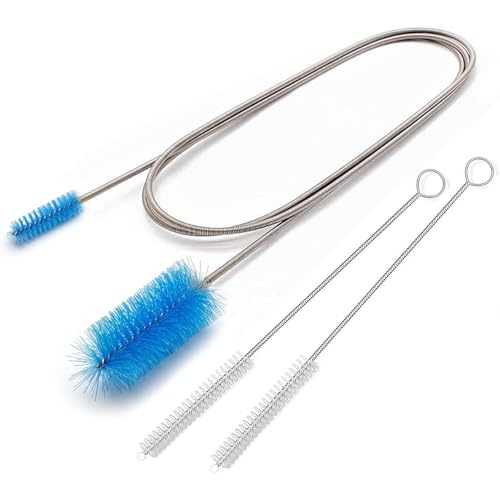
🚫UNCLOG NARROW TUBES INSTANTLY: Tired of water pooling in your fridge or grime clogging your aquarium filters? This 67-inch (170cm) extra-long flexible drain brush is the ultimate problem-solver. It easily snakes through deep, narrow, and curved tubing to effortlessly remove gunky buildup, dirt, and residue.

Stop The Stink: Clean and freshen any drain in your home with quick deodorizing tablets. The unique fizzing and fragrance technology helps eliminate foul drain odors and boosts fragrance to freshen the room.
Essential Cleaning Tools
- Plunger: A standard cup or flange plunger helps dislodge stubborn clogs.
- Snake: A drain snake, or auger, allows you to reach deeper clogs beyond the trap.
- Bucket: Use a bucket to catch excess water and debris during the cleaning process.
- Old toothbrush: An old toothbrush is great for scrubbing hard-to-reach areas in the drain.
- Screwdriver: A screwdriver is necessary for removing any drain covers or traps.
Recommended Cleaning Products
- Baking soda: Pouring baking soda down the drain neutralizes odors and breaks up residues.
- Vinegar: Use vinegar for its natural acidity, which helps dissolve grease and buildup.
- Dish soap: A mild dish soap can assist in cutting through grease and grime.
- Boiling water: Boiling water can flush away minor clogs and help clean the pipes.
- Commercial drain cleaner: If necessary, consider a specialized commercial drain cleaner for tough clogs.
Collect these tools and materials to ensure an efficient and successful kitchen drain cleaning experience.
Steps To Clean Your Kitchen Drain
Cleaning your kitchen drain involves a few straightforward steps. Follow these steps for a fresher drain and kitchen.
Initial Inspection
Inspect your drain for any noticeable clogs and odors. Look for standing water, food particles, or buildup around the drain. Check the drain cover and remove any visible debris, such as hair or grease, that could contribute to blockages.
Clearing Out Debris
Use a screwdriver to remove the drain cover if necessary. Carefully pull out any visible debris with your hands or an old toothbrush. A plunger can help dislodge stubborn clogs. Position the plunger over the drain and pump vigorously for 10-15 seconds. Repeat until the water flows freely.
Using Baking Soda And Vinegar
Pour 1 cup of baking soda down the drain. Follow this with 1 cup of vinegar. You’ll notice fizzing as the two react, breaking down grime and odors. Allow the mixture to sit for at least 30 minutes or longer for deeper cleaning effects.
Flushing With Hot Water
After the baking soda and vinegar mixture, boil 4-6 cups of water. Carefully pour the hot water down the drain to flush away loosened debris. This step not only clears the drain but also helps remove any lingering scents.
Preventative Measures
Keeping your kitchen drain clean requires a bit of effort, but it pays off in the long run. Regular maintenance and early intervention can keep drains free of clogs and odors.
Recommended Products
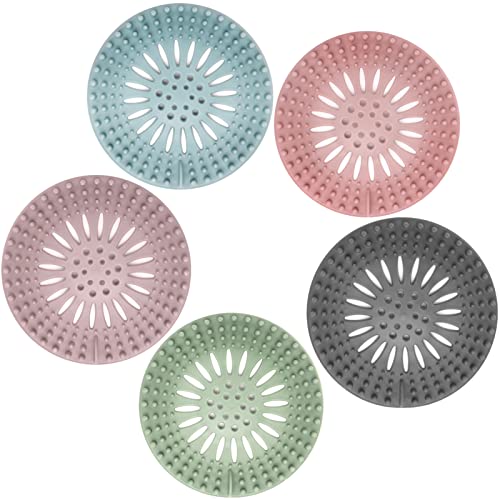
Drain Hair Catcher : Made of flexible Thermo-Plastic-Rubber, anti-slip, characterized by resilience and abrasive resistance. Use time is very long.
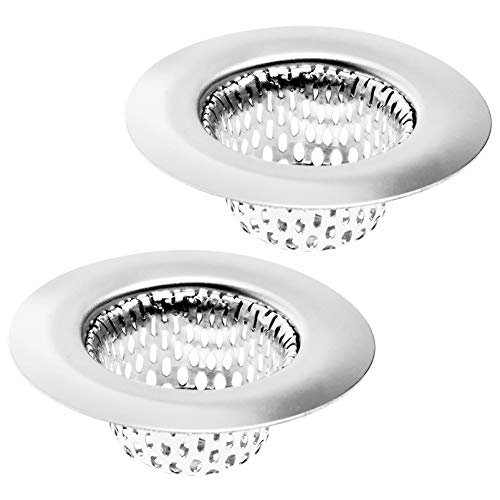
Comes with metal flat rim to fit over sink's drain; Great for Bathroom, Utility, Slop, Laundry, RV and Lavatory Sink; Strainers made of quality rust-resistant, durable and reliable stainless steel; Perfect for small sinks for daily usage for long lasting protection against drainage clogging

Outside diameter 7cm(2.75") x H 3cm(1.1"),Inside diameter : 2.5cm-3cm(1"-1.1"). Good bathroom drain hair catcher
Regular Maintenance Tips
- Rinse With Hot Water: Run hot water down the drain after each use. This helps dissolve grease and flush away small food particles.
- Use a Drain Strainer: Install a strainer to catch food scraps and debris. Clean it regularly to prevent buildup.
- Practice Baking Soda Treatments: Once a month, pour half a cup of baking soda followed by a cup of vinegar into the drain. Let it sit for 30 minutes, then rinse with hot water. This can help break down grime.
- Avoid Chemical Overuse: Limit the use of harsh chemical cleaners. They can damage plumbing and cause long-term issues.
Signs Your Drain Needs Attention
- Foul Odors: If you notice a persistent bad smell, it indicates debris buildup or decaying food in the pipes.
- Slow Drainage: Water pooling in the sink signals a potential clog. Address it quickly to prevent a complete blockage.
- Gurgling Sounds: Unusual sounds coming from the drain often mean air is trapped due to a blockage that may need removal.
- Recurring Clogs: Frequent clogs suggest deeper issues within the drainage system. Investigate further to identify underlying problems.
Conclusion
Keeping your kitchen drain clean is essential for a fresh and functional space. With just a few simple tools and some easy-to-follow steps you can tackle odors and clogs before they become bigger problems.
Regular maintenance not only enhances hygiene but also helps you avoid unwanted pests and plumbing issues. By adopting preventative measures like rinsing with hot water and using a drain strainer you’ll ensure your kitchen stays inviting and pleasant.
So roll up your sleeves and give your drain the attention it deserves. A clean drain leads to a happier kitchen and a more enjoyable cooking experience.
Frequently Asked Questions
What causes unpleasant odors from kitchen drains?
Unpleasant odors from kitchen drains are usually caused by the buildup of food residue, grease, and debris. This organic matter can decompose and create a foul smell. Regular cleaning is essential to prevent these odors and maintain a fresh environment.
How can I clean my kitchen drain effectively?
To clean your kitchen drain, gather tools like a plunger, drain snake, and brushes. Start by inspecting for clogs, then remove debris. Use a mixture of baking soda and vinegar to eliminate grime, allowing it to sit for 30 minutes. Finally, flush with boiling water to clear out loosened particles and odors.
What tools do I need for cleaning kitchen drains?
Essential tools for cleaning kitchen drains include a plunger, drain snake, bucket, old toothbrush, and screwdriver. These items help you effectively tackle clogs and ensure thorough cleaning.
How often should I clean my kitchen drain?
To keep your kitchen drain fresh, it’s advisable to clean it monthly. Regular maintenance prevents buildup and odors, maintaining your drain’s efficiency.
What are the signs that my drain needs cleaning?
Signs that your drain needs attention include foul odors, slow drainage, gurgling sounds, and recurring clogs. Addressing these issues promptly can prevent more serious plumbing problems.
Are harsh chemical cleaners safe for drains?
Harsh chemical cleaners can damage plumbing over time and should be used sparingly. Opt for natural alternatives like baking soda and vinegar for routine cleaning to ensure the longevity of your drains.
