
Key Takeaways
- Regular Cleaning is Essential: Cleaning the kitchen hood filter every 1-3 months ensures effective air circulation and improves indoor air quality.
- Benefits of Baking Soda: Using baking soda as a natural abrasive helps dissolve grime and grease, making it an effective cleaning agent.
- Fire Safety: Maintaining a clean filter reduces the risk of kitchen fires by preventing grease buildup, promoting a safer cooking environment.
- Prolong Equipment Life: Routine maintenance of the filter can extend the lifespan of your kitchen hood, saving money on repairs or replacements.
- Proper Rinsing and Drying: Thoroughly rinse and completely dry the filter before reinstalling it to prevent mold growth.
- Adapt Cleaning Frequency: Increase cleaning frequency based on your cooking habits; heavier use leads to quicker grease accumulation.
Ever looked up at your kitchen hood and noticed a grimy filter? You’re not alone! Many people overlook this essential part of their kitchen, but a dirty filter can affect your hood’s performance and even your air quality.
Importance Of Cleaning Kitchen Hood Filters
Cleaning kitchen hood filters is essential for several reasons. First, a clean filter ensures effective air circulation. Grease buildup restricts airflow, causing the hood to work harder. This inefficiency can lead to higher energy costs.
Second, maintaining clean filters improves indoor air quality. A dirty filter can harbor contaminants, leading to unpleasant odors and respiratory issues. By regularly cleaning your filter, you minimize these risks, creating a healthier cooking environment.
Third, a clean filter prolongs the life of your kitchen hood. Regular maintenance prevents the motor and other components from straining due to clogged filters. This proactive approach can save you money on repairs or replacements down the line.
Fourth, cleaning filters helps prevent kitchen fires. Grease is highly flammable and can pose a significant risk if allowed to accumulate. Keeping filters clean reduces this hazard, ensuring a safer cooking experience.
Lastly, a clean hood filter contributes to a cleaner kitchen. A buildup of grease or grime can spill over into other areas, impacting the overall cleanliness of your space. Keeping your filter clean helps maintain a neat and tidy kitchen.
Materials Needed
Cleaning your kitchen hood filter with baking soda requires just a few simple materials. Gather the following items to get started.
Baking Soda
- Baking soda: Use about 1 cup of baking soda, which acts as a natural abrasive and deodorizer.
- Warm water: Prepare 2-3 cups of warm water to help dissolve the baking soda and loosen grime.
Additional Supplies
- Dish soap: Choose a few drops of dish soap for extra grease-cutting power.
- Scrub brush or sponge: Select a non-abrasive scrub brush or sponge to avoid damaging the filter’s surface.
- Bucket or basin: Use a large enough container to submerge the filter in the warm water solution.
- Clean towel: Have a clean towel ready for drying the filter after cleaning.
- Gloves: Wear rubber gloves to protect your hands from grease and cleaning solution.
Step-By-Step Guide On How To Clean Kitchen Hood Filter With Baking Soda
Cleaning your kitchen hood filter with baking soda offers an effective, simple solution. Follow these steps for a clean and grease-free filter.
Recommended Products
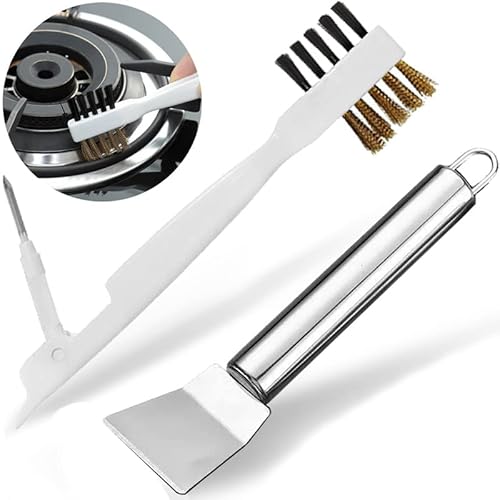
Golden brass wire bristles & Nylon stiff brush : Good scrubbing strength, can wipe away rust, oil stains and food burn marks on the stove. Stubborn stains can be cleaned.Nylon stiff brush made of high-quality nylon stiff bristles, not easy to flattening out and bending, long-lasting for daily use.Perfect for pots, pans, kitchen, sink, tile, and household cleaning. Help you remove grease and food particles.

【Multi-purpose Kitchen Brush】The multi-purpose stove top cleaner combines a copper wire brush, nylon brush, stainless steel spikes and a scraper in one. The glass top stove cleaner has a compact design. The stove cleaner is ideal for cleaning small debris and tight spaces. The durable construction of the electric stove top cleaner ensures easy cleaning of countertops, stoves, and more.
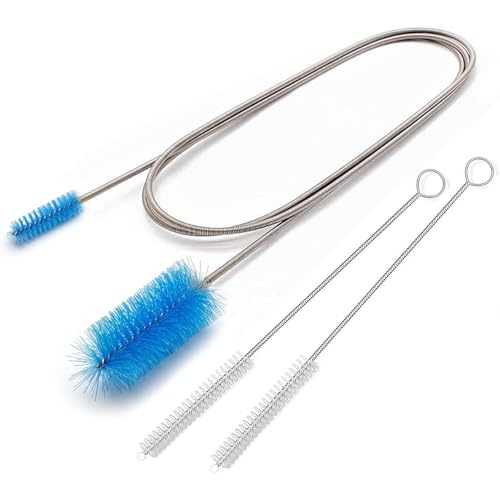
🚫UNCLOG NARROW TUBES INSTANTLY: Tired of water pooling in your fridge or grime clogging your aquarium filters? This 67-inch (170cm) extra-long flexible drain brush is the ultimate problem-solver. It easily snakes through deep, narrow, and curved tubing to effortlessly remove gunky buildup, dirt, and residue.
Preparing The Solution
- Gather materials: You’ll need 1 cup of baking soda, 2-3 cups of warm water, and a few drops of dish soap.
- Mix the solution: In a bucket or basin, combine the warm water and dish soap. Slowly add the baking soda while stirring until it dissolves completely. Foam will form, indicating the solution is ready.
Soaking The Filter
- Remove the filter: Carefully take the filter out of the hood. Check the manufacturer’s instructions for guidance if needed.
- Submerge the filter: Place the filter in the solution, ensuring it’s completely covered. Let it soak for at least 15-30 minutes to help loosen stubborn grease and grime.
Scrubbing The Filter
- Use a scrub brush: After soaking, take a non-abrasive scrub brush or sponge. Gently scrub the filter, focusing on areas with built-up grease.
- Inspect as you go: Check for remaining grease spots. If needed, apply more baking soda directly to those areas and scrub again.
Rinsing And Drying
- Rinse the filter: Once clean, rinse the filter thoroughly under warm running water to remove any residue from the baking soda and soap.
- Dry the filter: Shake off excess water and lay the filter on a clean towel. Allow it to air dry completely before reinstalling it in the kitchen hood.
Following these steps ensures your kitchen hood filter stays clean and maintains optimal performance.
Tips For Maintaining Clean Filters
- Clean regularly: Aim to clean your kitchen hood filters every one to three months. Frequent cleaning prevents heavy grease buildup.
- Use the right tools: Invest in a non-abrasive scrub brush or sponge. These help you scrub away grease without damaging the filter.
- Soak filters: When cleaning, soak the filters in a solution of baking soda and warm water for 30 minutes. This softens the grease, making it easier to clean.
- Rinse thoroughly: After scrubbing, rinse the filters under warm running water. Ensure all baking soda and grease are completely washed away.
- Dry completely: Air-dry the filters or use a clean towel. Ensure they’re dry before reinstalling, as moisture can cause mold growth.
- Inspect frequently: Check the filters for signs of grease or dirt monthly. Early detection allows for quick action before buildup worsens.
- Consider your cooking habits: If you cook frequently or use lots of oil, clean the filters more often. High usage increases grease accumulation.
- Ventilate while cooking: Turn on the kitchen hood during cooking. This helps capture grease and smoke, reducing the amount that settles in the filter.
- Replace when necessary: If a filter is damaged or corroded, replace it. A compromised filter negatively affects air quality and kitchen hood efficiency.
By following these tips, you enhance the effectiveness of your kitchen hood and maintain a cleaner cooking environment.
Recommended Products

Perfect Fit and Compatibility: Our range hood filter replacement, specifically crafted for models like 41F, 97007696, and 97005687, Compatible for Broan Nutone range hoods, offers a seamless fit. It's not just limited to these; this stove vent filter is also compatible with a wide array of other brands such as for Kenmore, for Maytag, for Jenn-Air, etc. With numerous models like the QT20000 series and RL6100 series covered, and precise dimensions of 8-3/4" x 10-1/2" x 3/8" . Whether you're looking for a hood range filter replacement or a fit for your filtro para campana de cocina, this filter ensures a snug fit.

【Package includes】2 pack Range hood filters 97006931 compatible with b-roan range hood. NOTE: Please peel off the blue protective film of the frame before use
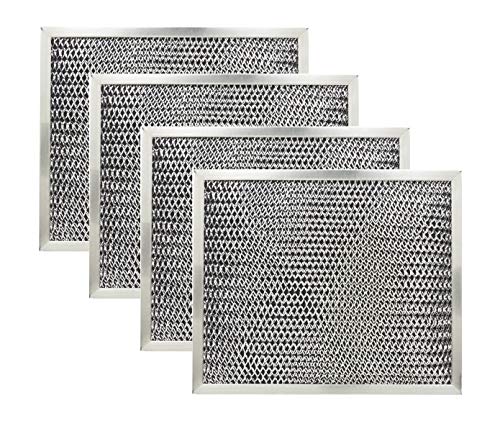
【4 PACK DESCRIPTION】Replacement Microtek charcoal filters for non-ducted range hoods. High quality, long life filters. To avoid filter odor, use in a non-ducted range hood, microwave oven or other applications requiring odor elimination. Filters constructed of carbon fiber sheet with metal mesh reinforcement. Filter may not be washed. It is recommended to replace your range hood filter every 6-9 months.
Conclusion
Cleaning your kitchen hood filter with baking soda is a simple yet effective way to keep your kitchen safe and fresh. By following the steps outlined and sticking to a regular cleaning schedule you can ensure your filter performs at its best.
Don’t forget to check for any signs of wear and tear on your filters and replace them when necessary. A little effort goes a long way in maintaining a clean cooking environment. So grab that baking soda and give your kitchen hood filter the care it deserves. Your kitchen will thank you!
Frequently Asked Questions
Why is it important to clean kitchen hood filters?
Cleaning kitchen hood filters is crucial for ensuring effective air circulation, improving indoor air quality, and preventing kitchen fires caused by grease buildup. A clean filter also prolongs the life of the kitchen hood by reducing strain on its components.
How often should kitchen hood filters be cleaned?
Kitchen hood filters should be cleaned every one to three months. However, the frequency may vary based on cooking habits. Regular inspections for grease or dirt buildup can help determine the right cleaning schedule for your kitchen.
What materials are needed to clean a kitchen hood filter?
To clean a kitchen hood filter, you’ll need 1 cup of baking soda, 2-3 cups of warm water, a few drops of dish soap, a non-abrasive scrub brush or sponge, a basin for soaking, a clean towel for drying, and rubber gloves for hand protection.
How do you clean a kitchen hood filter with baking soda?
To clean with baking soda, first prepare a solution of baking soda and warm water. Soak the filter for 30 minutes, scrub away grease, then rinse thoroughly and dry completely before reinstalling. This method helps restore the filter’s effectiveness.
When should you replace kitchen hood filters?
You should replace kitchen hood filters when they are damaged or corroded. Damaged filters can compromise air quality and hood efficiency, so regular inspections are essential to ensure optimal performance and safety.
