
Key Takeaways
- Understand Rust Formation: Rust in kitchen sinks is primarily caused by moisture, scratches, and chemical reactions, affecting various materials like stainless steel, cast iron, and copper.
- Gather Necessary Tools: Before starting the cleaning process, collect effective rust removers, non-abrasive scrubbers, rubber gloves, and ensure proper ventilation for safety.
- Follow a Cleaning Process: Use natural solutions like baking soda paste or commercial rust removers, allowing time for the products to work, followed by gentle scrubbing and thorough rinsing.
- Adopt Preventive Measures: Maintain your sink by wiping it down daily, using gentle cleaners, regularly inspecting for damage, and avoiding standing water to prevent future rust buildup.
- Choose the Right Sink Materials: Opt for high-quality stainless steel, enamel-coated cast iron, or properly finished copper sinks to reduce the risk of rust and enhance durability.
Is your kitchen sink starting to look more like a science experiment than a place for washing dishes? Rust stains can sneak up on you, turning your once shiny sink into an eyesore. It’s frustrating, but you’re not alone in this battle against kitchen rust.
Understanding Rust On Kitchen Sinks
Rust formation in kitchen sinks occurs due to a combination of metal corrosion and moisture. Knowing the causes and which sinks are affected can help you prevent and address this issue effectively.
Causes Of Rust Formation
- Moisture exposure: Constant contact with water creates ideal conditions for rust to develop, especially in areas where water collects.
- Scratches and dents: Any surface imperfections increase susceptibility to rust. When the protective coating wears off, metal is exposed to moisture and air.
- Chemical reactions: Certain cleaning agents or acidic foods can lead to rust when they interact with the sink’s metal surface.
Types Of Kitchen Sinks Affected
- Stainless steel sinks: While generally resistant to rust, they can still corrode if scratched or improperly sealed.
- Cast iron sinks: These sinks are prone to rust due to the porous nature of the material. A lack of enamel coating exacerbates the problem.
- Copper sinks: Without a proper protective finish, copper can tarnish and rust when exposed to moisture or acids.
Preparing To Clean A Rusty Kitchen Sink
Cleaning a rusty kitchen sink involves a few key steps to ensure you get the best results. Preparing properly sets the stage for effective rust removal.
Tools And Materials Required
- Cleaners: Use a rust remover or a mixture of baking soda and vinegar. Both options are effective against rust stains.
- Scrubbers: Get a non-abrasive sponge or soft-bristle brush. These tools prevent scratches while tackling tough stains.
- Gloves: Wear rubber gloves. They provide protection for your hands against harsh chemicals and dirt.
- Bucket: Have a bucket handy. It’s perfect for rinsing and storing materials.
- Patience: Bring a little patience. Some rust stains may require more than one application to fully remove.
Safety Precautions To Take
- Ventilation: Ensure your kitchen is well-ventilated. Open windows or use fans to allow fresh air in while working with cleaners.
- Eye Protection: Wear safety goggles to protect your eyes from splashes, especially when using strong cleaners.
- Follow Instructions: Carefully read and follow the instructions on any cleaning product labels. Proper use avoids unwanted reactions or damage.
- Keep Children and Pets Away: Ensure children and pets stay out of the cleaning area. It prevents accidents while cleaning with potentially hazardous materials.
Step-By-Step Guide On How To Clean Rusty Kitchen Sink
Cleaning a rusty kitchen sink requires specific techniques to restore its shine. Follow these steps for effective rust removal.
Recommended Products

Goodbye Rust: Remove rust stains around the home with a heavy-duty rust removal product trusted for over 60 years. The unique cleaner gel clings to dissolve rust stains on contact for difficult-to-reach places.

Years of Rust. Minutes to Watch It Release. Most "rust removers" clean what you can see. Clean My Steel targets the oxidation underneath permanently for results that surprise people the first time they use it.
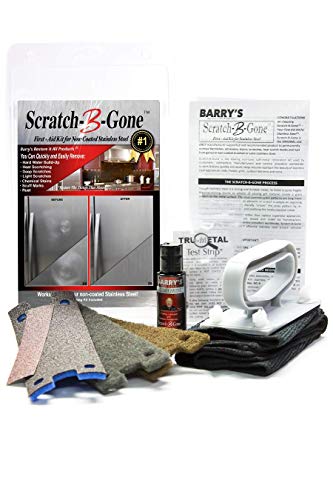
STOP! PLEASE SCROLL THROUGH ALL IMAGES FIRST TO SEE COMPATIBILITY. IF SCRATCH-B-GONE IS NOT COMPATIBLE, PLEASE RETURN AS "NO LONGER NEEDED"
Using Natural Cleaning Solutions
- Create a Paste: Combine equal parts baking soda and water to form a thick paste. This natural abrasive works well on rust stains.
- Apply the Paste: Spread the paste generously over the rust spots. Make sure to cover all affected areas.
- Let It Sit: Allow the paste to sit for 30 minutes. This waiting time helps break down the rust.
- Scrub Gently: Use a non-abrasive scrubber to gently scrub the area. Circular motions can be effective for stubborn stains.
- Rinse Thoroughly: Rinse the sink with warm water, ensuring no residue remains.
Applying Commercial Rust Removers
- Choose the Right Product: Select a rust remover suitable for your sink’s material. Read product labels carefully for compatibility.
- Follow Instructions: Apply the rust remover according to the manufacturer’s guidelines. Typically, this involves spraying or pouring the product directly onto the rust.
- Let It Work: Allow the remover to sit for the specified time. This period varies by product, often ranging from 5 to 15 minutes.
- Scrub Safely: Wear rubber gloves to protect your hands. Use a scrub brush or cloth to remove rust while the product is active.
- Rinse with Water: Rinse thoroughly with water to wash away both the rust and the cleaning product.
Techniques For Scrubbing And Polishing
- Use the Right Tools: Opt for a non-scratch scrubber or soft cloth. Avoid steel wool as it can worsen rust by scratching the surface.
- Scrub in Circular Motions: Employ circular scrubbing motions to effectively loosen and remove rust particles.
- Polish After Cleaning: After rust removal, use a metal polish specifically designed for your sink type. Apply according to the label instructions.
- Buff with a Soft Cloth: Use a microfiber cloth to buff the surface. This step enhances shine and prevents future rust buildup.
- Regular Maintenance: Wipe down the sink daily and ensure it dries completely after use. This practice prevents moisture accumulation and rust formation.
Following these steps helps you maintain a clean, rust-free kitchen sink, enhancing both its appearance and longevity.
Preventing Future Rust Buildup
Preventing rust buildup helps maintain your kitchen sink’s appearance and durability. Consider these tips to keep your sink in top shape.
Recommended Products

⚠️ IMPORTANT SIZING NOTICE – Please Read Before Purchasing. To ensure a proper fit, please follow the steps below:

⚠️ Exact Fit Dimensions – This rack is designed to fit sinks with an interior base of at least 18" (L) x 12.9" (W). Rack dimensions: 17.5" (L) x 12.4" (W). Please measure the bottom interior of your sink to confirm compatibility.

⚠️ IMPORTANT SIZING NOTICE – Please Read Before Purchasing. To ensure a proper fit, please follow the steps below:
Regular Maintenance Tips
- Wipe Down Daily: Use a soft cloth to dry your sink after each use. This practice eliminates moisture, a key factor in rust formation.
- Use Gentle Cleaning Agents: Select non-acidic, non-abrasive cleaners. Harsh chemicals can damage your sink’s surface, making it more susceptible to rust.
- Inspect Regularly: Keep an eye out for scratches or dents. Address any damage promptly to minimize the risk of rust developing.
- Avoid Standing Water: Make sure water does not sit in the sink for extended periods. Drain water immediately after use to prevent moisture buildup.
Choosing The Right Sink Materials
- Opt for Stainless Steel: Choose high-quality stainless steel sinks with a protective finish. They resist rust better than other materials.
- Consider Enamel-Coated Cast Iron: Look for sinks with enamel coatings to protect against corrosion. This option maintains durability while offering aesthetic appeal.
- Evaluate Copper Options: If you prefer copper sinks, select ones with a protective layer. They develop a patina over time, enhancing their beauty but require proper maintenance to prevent rust.
By implementing these strategies and selecting suitable materials, you effectively minimize rust buildup and ensure a long-lasting, shiny kitchen sink.
Conclusion
Cleaning a rusty kitchen sink might feel like a daunting task but with the right approach and tools you can bring back its shine. Remember that prevention is just as important as cleaning. By incorporating daily maintenance habits and being mindful of your sink’s material you’ll keep rust at bay.
Don’t forget to inspect your sink regularly for any signs of wear and tear. A little attention goes a long way in maintaining its beauty and functionality. Enjoy your sparkling clean sink and the confidence that comes with knowing you can tackle any rust challenges that come your way. Happy cleaning!
Frequently Asked Questions
What causes rust stains in kitchen sinks?
Rust stains in kitchen sinks occur due to metal corrosion combined with moisture. Common causes include constant moisture exposure, scratches or dents in the sink, and chemical reactions with acidic foods or cleaning agents.
Which types of kitchen sinks are most affected by rust?
Kitchen sinks made of cast iron, copper, and stainless steel can rust. While stainless steel is generally resistant, it can still corrode if damaged. Cast iron and copper are particularly vulnerable without proper protective coatings.
How can I prepare to clean a rusty kitchen sink?
To clean a rusty kitchen sink, gather essential tools such as rust removers, non-abrasive scrubbers, rubber gloves, and a bucket. Ensure good ventilation, wear safety goggles, and keep children and pets away from the cleaning area for safety.
What are some natural methods to remove rust stains?
A simple method to remove rust stains is to create a paste using equal parts baking soda and water. Apply it to the rust spots, let it sit, scrub gently with a non-abrasive pad, and then rinse thoroughly.
How can I prevent future rust buildup in my kitchen sink?
To prevent rust buildup, wipe down the sink daily with a soft cloth, use gentle cleaning agents, inspect for scratches, and avoid leaving standing water. Choosing high-quality sink materials with protective finishes is also beneficial.
What additional maintenance tips can help keep my sink rust-free?
Regular maintenance includes drying the sink completely after use, polishing it after cleaning, and performing daily inspections for any early signs of rust. These practices enhance the sink’s longevity and appearance.
