
Key Takeaways
- Effective Cleaning Solution: Vinegar is a natural and cost-effective option for removing mineral deposits and grime from kitchen faucet heads.
- Improves Water Flow: Regular cleaning helps restore optimal water flow by eliminating blockages caused by buildup, enhancing kitchen efficiency.
- Prevention of Future Buildup: Consistent cleaning with vinegar prevents the accumulation of calcium and lime deposits, keeping your faucet looking clean and functioning well.
- Simple Materials Needed: Only a few basic items—white vinegar, a plastic bag, rubber band, soft cloth, and an old toothbrush—are required for an effective cleaning process.
- Step-by-Step Process: Detaching the faucet head (if possible), soaking in vinegar, scrubbing, and rinsing provides a straightforward method for maintaining cleanliness.
- Regular Maintenance Tips: Establishing a cleaning routine and opting for natural cleaners helps protect the faucet’s finish and ensures long-lasting performance.
Have you ever noticed a buildup of grime or mineral deposits on your kitchen faucet head? It’s a common issue that can make your kitchen look less than inviting. Thankfully, there’s a simple solution right in your pantry—vinegar!
Benefits Of Cleaning Your Kitchen Faucet Head
Cleaning your kitchen faucet head regularly offers several benefits that enhance both functionality and aesthetics. Using vinegar for this task ensures a simple and effective method.
Improves Water Flow
Cleaning your faucet head restores optimal water flow. Mineral deposits can block water passages, reducing pressure and making it harder to fill pots or wash dishes. A clean faucet allows for a steady stream of water, making daily tasks easier and more efficient.
Prevents Buildup Of Minerals
Regular cleaning prevents the buildup of minerals. When water evaporates, it leaves behind calcium and lime deposits. These deposits accumulate over time, leading to unsightly stains and potential clogging. Using vinegar cuts through these minerals, maintaining your faucet’s appearance and functionality.
Materials Needed For Cleaning
You only need a few items to clean your kitchen faucet head effectively. These materials make the process simple and efficient.
Recommended Products
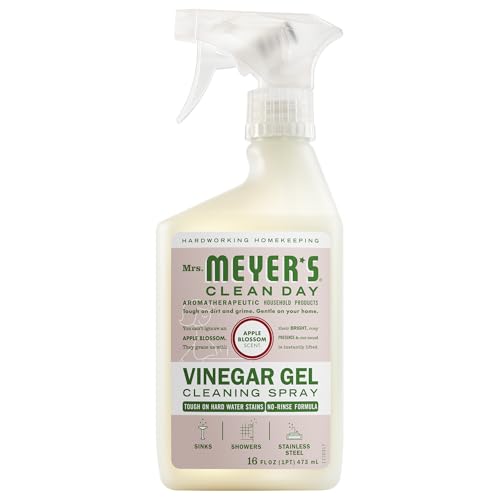
Mrs. Meyer's Vinegar Gel Cleaning Spray not only breaks down everyday grime, but also lifts dirt from surfaces leaving a cleaner surface

Unclogging Showerhead Holes: This shower head cleaner tool provides an efficient and easy unclogging solution to help easily clear clogged shower holes and ensures uninterrupted waterflow
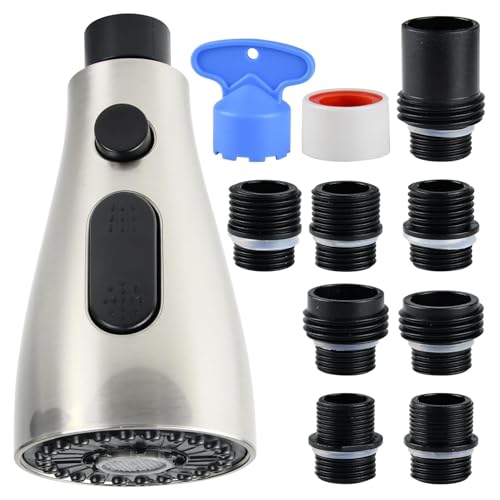
STANDARD CONNECTION:This replacement kitchen head is for G1/2 Connector(20.5mm outer dia.), suitable for 1/2" Male hose. Fits most kitchen faucet brand such as OWOFAN,WEWE,FORIOUS,Qomolangma,VFAUOSIT,BASDEHEN,WOWOW,VCCUCINE
Vinegar
Vinegar acts as a natural cleaner and descaling agent. Choose white vinegar, as it’s cost-effective and readily available. Its acidity breaks down mineral deposits and grime without harsh chemicals.
Additional Supplies
Gather these items for best results:
- Plastic bag: Helps hold vinegar around the faucet head.
- Rubber band or string: Secures the plastic bag in place.
- Soft cloth or sponge: Cleans any remaining residue gently.
- Old toothbrush: Uses its bristles for scrubbing hard-to-reach areas.
With these materials, you can tackle mineral buildup and stains effectively.
Step-By-Step Guide On How To Clean Kitchen Faucet Head With Vinegar
Cleaning your kitchen faucet head with vinegar is straightforward. Follow these steps for an effective clean.
Recommended Products

Mrs. Meyer's Vinegar Gel Cleaning Spray not only breaks down everyday grime, but also lifts dirt from surfaces leaving a cleaner surface to make your bathroom look spotless
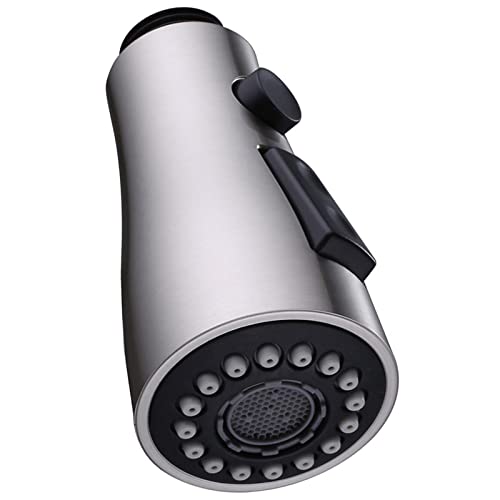
CHECK SIZE & THREAD TYPE: our faucet head has G 1/2 male thread (NOT 1/2"), outer diameter of this male connection is 0.8" or 13/16" or 20.35mm, inner diameter is 0.55" or 9/16" or 14mm. It’s NOT universal, please check if your setup has STANDARD TYPE of faucet hose with female thread and measure the inner diameter of the female connection of your faucet hose before ordering

Almost Universal with 15 Adapters: This kitchen spray head comes with 15 adapters compatible with most types of faucets from American Standard Faucets, compatible with Kohler, Hansgrohe, Grohe, Moen, Delta and more; Not compatible with all faucets, please check the faucet size before ordering
Prepare The Vinegar Solution
Gather white vinegar and a plastic bag. Fill the bag with enough vinegar to submerge the faucet head. Use approximately one cup of vinegar for most standard faucets.
Detach The Faucet Head
If your faucet head is removable, twist or pull it off gently. Check the manufacturer’s instructions if you’re unsure. If it’s fixed, you can clean it without detaching.
Soak And Scrub
Secure the vinegar-filled bag around the faucet head using a rubber band or string. Let it soak for at least 30 minutes. After soaking, use an old toothbrush to scrub the faucet head. Focus on areas with visible mineral buildup.
Rinse And Reattach
Remove the plastic bag and discard the vinegar. Rinse the faucet head thoroughly under warm water to remove any remaining vinegar and debris. If you detached the faucet head, reattach it by twisting or pushing it back into place. Tighten gently to avoid damage.
Tips For Maintaining A Clean Faucet Head
Maintaining a clean faucet head makes daily kitchen tasks easier and keeps your space looking fresh. Here are practical tips to stay on top of cleanliness.
Recommended Products

3 Modes Switching: The kitchen faucet head replacement, from gentle water flow to powerful jets, and then high-pressure rinse, simply a press, food debris? Bye bye! Simply press the button to change modes and meet your cleaning needs.

Deep Cleaning Made Easy: This Faucet Descaling Cap for Limescale Removal lets you fill it with descaler and attach it to your tap outlet for a thorough deep cleaning experience. Effectively dissolves stubborn buildup and keeps faucets clear

RINSE RESIDUE IN SECONDS: Powerful water jets thoroughly rinse residue in seconds, while the subtle overhang directs water flow into the kitchen sink for easy cleanup
Regular Cleaning Schedule
Set a regular cleaning schedule to prevent buildup. Clean your faucet head every few weeks. Use vinegar or a mild soap to wipe down the faucet and head. Consistency helps minimize the accumulation of mineral deposits and grime, ensuring optimal water flow.
Avoiding Harsh Chemicals
Choose natural cleaning products instead of harsh chemicals. Using vinegar or baking soda effectively removes grime without damaging the faucet finish. These gentle agents protect both the appearance and functionality of your faucet. Harsh cleaners can lead to corrosion and dullness, making it harder to maintain a bright, shiny faucet head.
Conclusion
Cleaning your kitchen faucet head with vinegar is a simple yet effective way to keep it looking great and functioning well. By incorporating this easy method into your cleaning routine you can enjoy improved water flow and a spotless appearance.
Don’t forget to maintain a regular cleaning schedule to prevent future buildup. With just a little effort you can ensure your faucet remains in top shape for years to come. So grab that vinegar and get started on keeping your kitchen sparkling clean!
Frequently Asked Questions
How does vinegar clean kitchen faucet heads?
Vinegar works effectively to clean kitchen faucet heads by breaking down mineral deposits and grime. Its natural acidity helps dissolve buildup without the need for harsh chemicals, restoring both the appearance and functionality of the faucet.
What materials do I need for cleaning a faucet head with vinegar?
To clean a faucet head with vinegar, you’ll need white vinegar, a plastic bag, a rubber band or string, a soft cloth or sponge, and an old toothbrush. These simple household items make the cleaning process easy and efficient.
How often should I clean my kitchen faucet head?
It’s recommended to clean your kitchen faucet head every few weeks to minimize mineral buildup and grime. Regular cleaning helps maintain optimal water flow and keeps the faucet looking bright and shiny.
Can I remove the faucet head for cleaning?
If your faucet head is removable, you can detach it for a more thorough cleaning. If not, you can still clean it while it’s fixed by using the vinegar-soaked bag method to soak and scrub the head.
Are there any chemicals I should avoid when cleaning my faucet?
Yes, it’s best to avoid harsh chemicals when cleaning your faucet head. Instead, opt for natural cleaning products like vinegar or baking soda to effectively remove grime without damaging the faucet’s finish.
