
Key Takeaways
- Understanding Steel Sinks: Stainless steel sinks are durable, non-porous, and easy to clean, making them ideal for kitchens. Different grades like 304 and 316 offer various resistance levels to rust and corrosion.
- Essential Cleaning Supplies: Gather non-abrasive cleaners such as baking soda, white vinegar, dish soap, and a commercial stainless steel cleaner. Use soft cloths, non-scratch sponges, and gloves for effective cleaning.
- Step-by-Step Cleaning Process: Prepare your sink by removing items and rinsing with warm water. Use baking soda and vinegar in a circular scrubbing motion for effective stain removal, then rinse and dry the sink thoroughly.
- Daily Maintenance Tips: Rinse and dry your sink after each use to prevent buildup. Regularly wipe it down with mild soap and a soft sponge to maintain a shiny appearance.
- Preventing Damage: Avoid abrasive cleaners and sponges, limit heavy cookware impacts, and clean spills promptly to keep your sink looking new and prevent scratches.
- Long-Term Care: Utilize sink mats for additional protection against scratches and dents. Regular maintenance helps preserve the finish and shine of your stainless steel sink.
Ever looked at your stainless steel sink and wondered how it got so dull and stained? It’s a common sight in many kitchens, and you’re not alone if you’ve felt frustrated by it. A clean sink not only looks great but also helps maintain a healthy kitchen environment.
In this article, you’ll discover simple and effective methods to bring back that shine to your steel sink. You’ll learn about easy-to-find cleaning supplies and techniques that can save you time and effort. With just a little know-how, you can transform your sink from drab to fab, making your kitchen feel fresh and inviting again.
Understanding Steel Sinks
Steel sinks, primarily made from stainless steel, are popular in kitchens due to their durability and sleek appearance. Understanding the characteristics and benefits of stainless steel can help you maintain them effectively.
Properties of Steel Sinks
- Durability: Steel sinks resist rust and corrosion, making them ideal for daily use.
- Non-porous Surface: This feature prevents bacteria and germs from penetrating the material, promoting a hygienic kitchen environment.
- Ease of Cleaning: Smooth surfaces allow for quick cleaning and maintenance.
Types of Stainless Steel
- 304 Stainless Steel: Contains 18% chromium and 8% nickel. It’s resistant to rust and corrosion, ideal for kitchen sinks.
- 316 Stainless Steel: Offers extra protection due to molybdenum content. It’s often used in coastal areas due to superior corrosion resistance.
Common Finish Types
- Brushed Finish: This finish features a textured surface that minimizes scratches and hides water spots. It’s popular for its understated look.
- Polished Finish: Provides a shiny, reflective surface that enhances visual appeal but may show fingerprints more easily.
Key Considerations for Maintenance
- Avoid Harsh Chemicals: Stay away from bleach and abrasive cleaners that can damage the sink’s surface.
- Use Soft Cloths: Clean with microfiber cloths or sponges to prevent scratches while wiping away grime.
Understanding these elements helps you maintain your steel sink effectively, keeping it clean and shining in your kitchen space.
Essential Cleaning Supplies
To clean your stainless steel sink effectively, gather the right supplies. These items can make a significant difference in restoring the shine of your sink.
Recommended Products
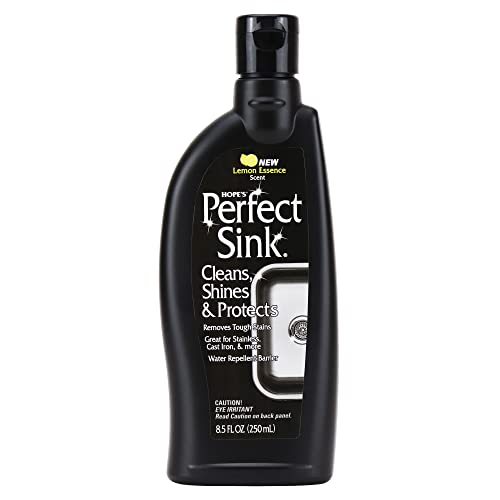
Cleaner & Polish - Hope’s Perfect Sink is a gentle cleaner that shines polishes and protects in one simple step; get your cleaning done faster and more efficiently
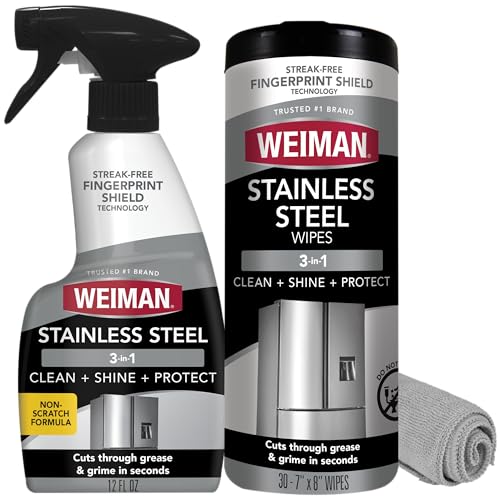
Cleans, polishes & protects stainless steel: Our stainless steel cleaner for appliances removes fingerprints, grease, residue, and water spots. This kit includes spray, which won a 2026 Good Housekeeping Cleaning Award, cloth & appliance wipes that leave a streak-free shine and a protective barrier that helps prevent future smudges.

Cleans, polishes & protects stainless steel: Our stainless steel cleaner for appliances, which won a 2026 Good Housekeeping Cleaning Award, helps clean delicate, hard-to-clean surfaces. This appliance cleaner removes grease, fingerprints, water spots and residue while restoring a polished, like-new shine.
Recommended Cleaners
- Baking Soda: An effective, non-abrasive cleaner that tackles stains and odors. Sprinkle it directly onto the sink, then scrub with a damp cloth.
- White Vinegar: A natural disinfectant that helps remove hard water stains. Apply it directly or mix with baking soda for a powerful cleaning reaction.
- Dish Soap: A gentle option for daily cleaning. Mix a few drops with warm water, then wipe your sink with a soft sponge.
- Commercial Stainless Steel Cleaner: Look for cleaners designed specifically for stainless steel. They can provide a protective layer after cleaning.
Tools Needed
- Soft Cloths: Use microfiber cloths to avoid scratching the surface while wiping and drying.
- Sponge: A non-scratch sponge works well for scrubbing stains without damaging the sink.
- Gloves: Protect your hands from chemicals and grime by wearing rubber gloves during cleaning.
- Small Brush: An old toothbrush or a small scrub brush can help clean tight areas and crevices effectively.
- Bucket: Keep a bucket on hand to mix cleaners and rinse your materials.
Gather these supplies before starting your cleaning process to achieve the best results.
Step-by-Step Guide to Clean Steel Sink
Cleaning your stainless steel sink restores its shine and enhances your kitchen’s overall appeal. Follow these steps for effective cleaning.
Preparing the Sink
- Clear the Sink: Remove all dishes, utensils, and any other items from the sink.
- Rinse the Sink: Use warm water to rinse the sink, which loosens food particles and debris.
- Apply Protective Gloves: Wear gloves to protect your hands from cleaners and scrubbing.
Cleaning Process
- Sprinkle Baking Soda: Evenly sprinkle baking soda over the entire surface of the sink. This acts as a gentle abrasive that removes stains without scratching.
- Use a Sponge: Dampen a non-scratch sponge or cloth. Gently scrub the sink using circular motions, focusing on stained or dull areas.
- Add Dish Soap: For tougher grime, add a few drops of dish soap to your sponge. Clean stubborn spots with increased pressure, ensuring even coverage.
- Vinegar Application: Spray white vinegar over the baking soda. The reaction creates bubbles, helping to lift grime. Let it sit for a few minutes.
Rinsing and Drying
- Rinse Thoroughly: Use warm water to rinse away the baking soda and vinegar mixture. Ensure you remove all residue.
- Dry the Sink: Use a soft cloth or microfiber towel to dry the sink. This prevents water spots and maintains the sink’s shine.
- Buff for Extra Shine: For added shine, quickly buff the surface with a dry cloth in a circular motion.
Following these steps transforms your stainless steel sink, making it look new and inviting.
Maintaining a Clean Steel Sink
Maintaining a clean steel sink keeps your kitchen looking great and hygienic. Regular care protects the surface and prevents stains.
Daily Cleaning Tips
- Rinse after Use: Rinse your sink with warm water after each use to remove food particles. This simple step prevents buildup.
- Use Mild Soap: Apply a few drops of dish soap with a soft cloth or sponge. Gently scrub the surface, focusing on spots where food may linger.
- Dry the Sink: After cleaning, dry the sink with a soft cloth. This reduces water spots and streaks, keeping it shiny.
- Wipe Down: Perform a quick wipe-down daily to maintain freshness and prevent stains. Use a damp cloth for easy maintenance.
Preventing Stains and Scratches
- Avoid Abrasive Cleaners: Stay away from harsh or abrasive cleaners. These can scratch and dull the surface of your sink.
- Use Non-Scratch Sponges: Opt for sponges labeled as non-scratch when cleaning. This protects the sink’s finish while removing grime.
- Limit Heavy Cookware: Avoid placing heavy pots and pans directly in the sink. Set them down gently to prevent dents and scratches.
- Address Spills Immediately: Clean any spills, especially acidic substances like lemon juice or vinegar, right away. This prevents staining and damage.
- Utilize Sink Mats: Consider using sink mats or grids. These provide a barrier against scratches and help protect the surface from impacts.
Conclusion
Keeping your stainless steel sink clean and shiny doesn’t have to be a chore. With the right supplies and a few simple techniques, you can easily restore its luster and maintain a hygienic kitchen space. Remember to tackle stains promptly and use gentle cleaners to avoid scratches.
Regular maintenance is key to preventing buildup and keeping your sink looking its best. By incorporating daily care habits into your routine, you’ll enjoy a sparkling sink that enhances your kitchen’s overall appeal. So grab those supplies and get started on making your sink a shining centerpiece of your home.
Frequently Asked Questions
What causes dullness and stains on stainless steel sinks?
Dullness and stains on stainless steel sinks are often caused by hard water deposits, soap scum, food residue, and scratches from harsh cleaning tools. Regular exposure to acidic substances and neglecting routine cleaning can also contribute to these issues.
How can I clean my stainless steel sink effectively?
To clean your stainless steel sink, clear all items, rinse with warm water, and sprinkle baking soda. Scrub gently with a non-scratch sponge, add dish soap for tough stains, and use white vinegar for hard water stains. Rinse thoroughly and dry with a soft cloth to restore shine.
What cleaning supplies do I need for my stainless steel sink?
Essential cleaning supplies for your stainless steel sink include baking soda, white vinegar, dish soap, and commercial stainless steel cleaners. You’ll also need soft cloths, non-scratch sponges, gloves, small brushes for tight areas, and a bucket for mixing.
How often should I clean my stainless steel sink?
It’s best to clean your stainless steel sink daily to maintain its shine and hygiene. Regular maintenance means rinsing after each use, wiping down with mild soap, drying it after cleaning, and performing quick wipe-downs as needed.
What types of stainless steel are used in sinks?
The two most common types of stainless steel used in sinks are 304 and 316. Type 304 is the most popular for its corrosion resistance, while Type 316 offers better resistance to pitting and is often used in marine environments due to its durability.
How can I prevent scratches and stains on my sink?
To prevent scratches and stains, use non-scratch sponges for cleaning, avoid abrasive cleaners, limit heavy cookware in the sink, and clean up spills promptly. Consider using sink mats or grids for added protection against impacts and scratches.
What are the benefits of stainless steel sinks?
Stainless steel sinks are durable, resistant to rust and corrosion, and non-porous, which promotes hygiene. They are easy to clean and offer a sleek, modern appearance that complements various kitchen designs, making them a popular choice among homeowners.
