
Key Takeaways
- Importance of Floor Cleanliness: Regular cleaning of restaurant kitchen floors is crucial for hygiene, safety, and maintaining a positive reputation, preventing health risks and pest attraction.
- Flooring Types: Choosing the right kitchen flooring—such as vinyl, tile, rubber, concrete, or epoxy—can affect both safety and ease of cleaning, with each type offering unique benefits and drawbacks.
- Effective Cleaning Steps: A systematic cleaning process involves preparation, selection of appropriate cleaning supplies, and techniques tailored to the specific flooring type to ensure thorough hygiene.
- Routine Maintenance: Establish daily, weekly, and monthly cleaning routines to maintain a spotless kitchen floor, which includes tasks like sweeping, mopping, and inspecting for damage.
- Professional Assistance: Consider hiring professional cleaning services periodically for deep cleaning tasks to effectively manage stubborn dirt and extend the life of your flooring materials.
Do you ever wonder how a busy restaurant keeps its kitchen floor spotless despite all the hustle and bustle? A clean kitchen floor is essential not just for hygiene but also for creating a safe cooking environment. If you’ve ever faced the challenge of stubborn grease stains or sticky spills, you know how tricky it can be to maintain cleanliness.
Importance Of Cleaning Restaurant Kitchen Floors
Maintaining clean kitchen floors plays a crucial role in restaurant hygiene and safety. Clean floors prevent slips and falls, which can harm staff and customers. Regular cleaning reduces hazards that lead to accidents, ensuring a safer environment for everyone.
Clean floors enhance food safety. Kitchen spills and grease attract pests, like rodents and insects. These pests can contaminate food, posing serious health risks. You’ll minimize these risks by keeping the floor spotless, complying with health regulations and creating a safer space for food preparation.
Cleanliness affects a restaurant’s reputation. Customers notice details, including floor cleanliness. Seeing a clean kitchen reinforces the perception of a high-quality dining experience. Positive impressions lead to repeat business and word-of-mouth referrals.
Cleaning floors increases the lifespan of flooring materials. Dirt and grime can degrade flooring, leading to costly repairs. Regular maintenance preserves your investment and keeps the kitchen looking its best.
Utilize proper tools and cleaning supplies. Choose commercial-grade degreasers and mops designed for heavy-duty cleaning. Invest in slip-resistant mats in high-traffic areas to further enhance safety.
To optimize floor cleaning, establish a routine. Schedule daily, weekly, and monthly cleaning tasks. Daily sweeping and mopping remove debris and spills. Weekly deep cleans tackle stubborn grease and dirt. Monthly inspections help identify potential issues early.
Prioritizing clean kitchen floors supports safety, food quality, and your restaurant’s reputation while extending the life of your flooring materials.
Types Of Restaurant Kitchen Flooring
Selecting the right flooring is crucial for any restaurant’s kitchen. Different materials offer various benefits and challenges based on your specific needs.
Recommended Products

✔Epoxy Spike Shoes: In self-flowing flat paint construction, wearing epoxy resin nail shoes will prevent tracks and ensure your design remains intact. Epoxy nail shoes are essential for self-leveling, epoxy flooring, and overlay construction.
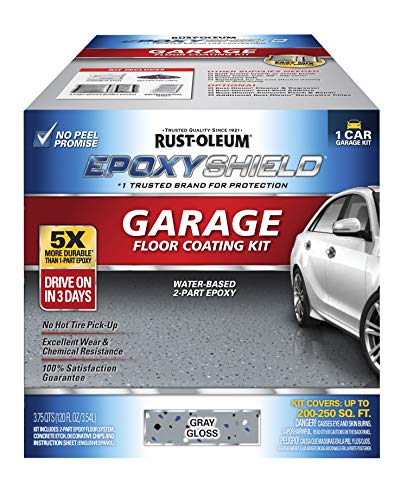
Durable, 2-part epoxy formula works on interior concrete surfaces, such as garage floors, workshops, basements and more
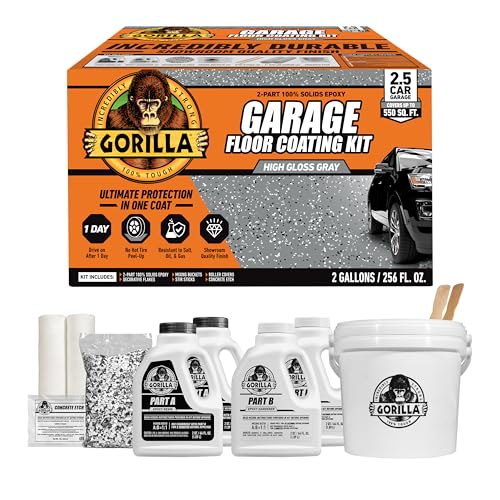
Ultimate Protection in One Coat: 2-part 100% solids epoxy delivers, incredibly durable, exceptional resistance to chemicals, abrasions, salt, oil, gas, and hot tire peel-up that is ideal for garages, basements, workshops, & more.
Common Materials Used
- Vinyl
Vinyl is affordable and easy to clean. Its water resistance makes it ideal for kitchens, and it comes in various styles and colors.
- Tile
Tile is durable and stain-resistant. It’s also easy to clean but can be cold and hard on your feet during long hours.
- Rubber
Rubber flooring provides excellent slip resistance and cushioning. It’s comfortable to stand on for extended periods and absorbs noise well.
- Concrete
Concrete is sturdy and low-maintenance. While it can be cold and hard, it offers durability and customization options with coatings.
- Epoxy
Epoxy flooring is a seamless surface that resists grease and bacteria. It’s hygienic and easy to clean but may require professional installation.
Benefits And Drawbacks
- Vinyl
- Benefits: Cost-effective, versatile, and water-resistant.
- Drawbacks: May scratch easily and can wear out over time.
- Tile
- Benefits: Long-lasting, resistant to stains and moisture.
- Drawbacks: Hard surface can cause fatigue, grout lines may stain.
- Rubber
- Benefits: Excellent slip resistance and shock absorption.
- Drawbacks: Prone to scuff marks and may require special cleaning products.
- Concrete
- Benefits: Highly durable and customizable with different finishes.
- Drawbacks: Cold and hard, may crack without proper maintenance.
- Epoxy
- Benefits: Seamless and easy to sanitize, resistant to chemicals.
- Drawbacks: Can be slippery when wet and requires good surface preparation.
Selecting suitable flooring enhances safety and eases cleaning while adhering to health regulations.
Steps To Clean Restaurant Kitchen Floor
Cleaning the restaurant kitchen floor requires a systematic approach to ensure hygiene and safety. Follow these steps for effective cleaning.
Preparation Of The Area
- Clear the floor: Remove all furniture, appliances, and mats from the area. This creates a clear workspace for cleaning.
- Sweep or vacuum debris: Gather loose dirt, food particles, and debris. A thorough sweep or vacuum prevents scratching the floor during mopping.
- Assess for damage: Check the floor for cracks or loose tiles. Address any issues before cleaning to prevent further damage.
Choosing The Right Cleaning Supplies
- Select a degreaser: Choose a commercial-grade degreaser that works for your floor type. This helps break down stubborn grease and grime.
- Gather mops and buckets: Use a mop with a washable head and a sturdy bucket. A microfiber mop effectively captures dirt without spreading it around.
- Consider protective gear: Wear gloves and non-slip footwear. Protect yourself from harsh chemicals and slippery surfaces.
Cleaning Techniques For Different Floor Types
- Vinyl floors: Dilute the degreaser in water according to the instructions. Mop the floor, allowing the solution to sit for a few minutes before rinsing with clean water.
- Tile floors: Use a scrub brush for grout lines. Apply the degreaser, scrub, and rinse thoroughly. Dry the floor to prevent slips.
- Rubber floors: Wipe with a damp mop and a gentle pH-neutral cleaner. Avoid harsh chemicals that could damage the surface.
- Concrete floors: Degrease and scrub any stains. Rinse with water, and use a squeegee to remove excess moisture.
- Epoxy floors: Clean with a soft mop and mild detergent. Rinse and dry thoroughly to maintain the finish.
These structured steps ensure your kitchen floor remains clean, safe, and welcoming. Adhere to your established cleaning routine for consistent results.
Maintaining A Clean Kitchen Floor
Keeping a clean kitchen floor is essential for hygiene and safety in any restaurant. Regular maintenance not only enhances the overall cleanliness but also improves the restaurant’s reputation.
Daily Cleaning Routines
Establish daily cleaning tasks to maintain cleanliness and prevent the buildup of dirt and grease. Here are key steps to follow:
- Sweep or Vacuum: Start each shift by sweeping or vacuuming the entire floor. This removes dirt, food particles, and debris.
- Mop with a Degreaser: Use a commercial-grade degreaser mixed with warm water. Mop the floor thoroughly, ensuring you cover all areas, especially near cooking stations.
- Spot Clean Stains: Address any spills or stains immediately. Use appropriate cleaning products for specific types of flooring to avoid damage.
- Inspect for Damage: Regularly check for cracks or loose tiles. Timely repairs prevent further issues and ensure safety.
- Empty Trash: Dispose of waste at the end of each shift. This minimizes odors and reduces pest attraction.
Weekly And Monthly Maintenance
Incorporate more intensive cleaning tasks to maintain your kitchen floor’s condition. Implement the following routines:
- Weekly Scrubbing: Set aside time each week for a deep clean. Use a floor scrubber or a heavy-duty floor brush with a suitable cleaner. Focus on areas with heavy foot traffic.
- Check and Clean Drains: Inspect floor drains weekly for clogs. Clear any debris to prevent unpleasant odors and potential hygiene issues.
- Monthly Deep Clean: Carry out a deep cleaning once a month. This includes moving equipment to clean underneath and behind it.
- Floor Finish Maintenance: If applicable, reapply a protective finish to floors to enhance durability and shine. Follow the manufacturer’s guidelines for best results.
- Professional Cleaning Services: Consider hiring professionals for periodic deep cleans. They can effectively tackle tough stains and extend the lifespan of your flooring.
Maintaining a clean kitchen floor requires consistent effort and a structured approach. By following daily and weekly routines, you can create a safe and inviting environment for both staff and customers.
Conclusion
Keeping your restaurant kitchen floor clean isn’t just about aesthetics; it’s vital for safety and hygiene. By implementing a consistent cleaning routine and using the right tools you can create a welcoming environment for both staff and customers.
Remember that a clean kitchen floor not only prevents accidents but also boosts your restaurant’s reputation. Customers notice the little things and a spotless kitchen can lead to repeat business.
So take the time to invest in proper cleaning techniques and materials. Your kitchen will thank you and so will your patrons. Happy cleaning!
Frequently Asked Questions
Why is it important to maintain a clean kitchen floor in a restaurant?
Maintaining a clean kitchen floor is crucial for hygiene and safety. It helps prevent slips and falls, minimizes pest attraction, and ensures compliance with health regulations. A clean floor not only protects staff and customers but also enhances the restaurant’s reputation, influencing customer satisfaction and repeat business.
What challenges come with cleaning kitchen floors in busy restaurants?
Busy restaurant kitchens face challenges such as stubborn grease stains and sticky spills. The constant movement and food preparation can make it difficult to keep floors spotless. Regular cleaning routines are essential to manage these issues effectively amidst the hustle and bustle.
What types of flooring are recommended for restaurant kitchens?
Common flooring options include vinyl, tile, rubber, concrete, and epoxy. Vinyl is affordable and easy to clean, while tile is durable. Rubber offers slip resistance, concrete is low-maintenance, and epoxy provides a seamless surface. Choosing the right material enhances safety and eases cleaning.
How can I establish an effective cleaning routine for my restaurant kitchen floor?
Begin by preparing the area, including clearing the floor and assessing damages. Use the right cleaning supplies such as a commercial-grade degreaser. Implement daily tasks like sweeping, mopping, and spot cleaning, along with weekly deep cleaning and monthly inspections for optimal maintenance.
What cleaning tools and supplies are best for restaurant kitchen floors?
Recommended tools include commercial-grade degreasers, mops, brooms, vacuums, and protective gear. Utilize slip-resistant mats to enhance safety. Selecting proper cleaning supplies tailored to the specific flooring material ensures effective cleaning and maintenance.
How does cleanliness affect a restaurant’s reputation?
Cleanliness directly impacts customer perception. A spotless kitchen floor demonstrates attention to hygiene and safety, enhancing the dining experience. Customers are more likely to return to a restaurant that prioritizes cleanliness, building a positive reputation and encouraging repeat business.
