
Key Takeaways
- Understanding Causes: Sticky residues on oak kitchen cabinets often result from cooking spills, food drips, improper cleaning products, and humidity.
- Identifying Finishes: Knowing the type of finish on your cabinets—varnish, lacquer, oil-based stain, or paint—is essential for selecting the proper cleaning method.
- Effective Cleaning Solutions: Utilize natural cleaners like vinegar and water, baking soda paste, mild dish soap, or commercial wood cleaner to remove stickiness effectively.
- Cleaning Tools: Employ soft microfiber cloths, sponges, soft-bristled brushes, and a spray bottle for optimal cleaning results without damaging the cabinet surfaces.
- Step-by-Step Cleaning: Follow a thorough step-by-step approach that includes preparing the area, applying the cleaning solution, rinsing, and drying to maintain the cabinets’ appearance.
- Maintenance Tips: Establish a regular cleaning routine, manage humidity levels, and utilize preventive measures to keep your oak cabinets looking fresh and clean for years.
Ever opened your oak kitchen cabinets only to be greeted by a sticky residue? You’re not alone. Many people face this frustrating issue, especially in busy kitchens where spills and splatters can quickly accumulate.
Understanding Sticky Oak Kitchen Cabinets
Sticky residue on oak kitchen cabinets often stems from common kitchen activities. Regular cooking, spills, and improper cleaning methods contribute significantly to this annoyance.
Common Causes of Stickiness
- Cooking Residue: Grease and oil splatters during cooking can cling to cabinet surfaces, creating a sticky feel.
- Food Spills: Sticky substances like syrup or sauces easily drip onto cabinets and harden if not cleaned promptly.
- Cleaning Products: Some cleaning solutions leave residues that attract dirt and dust, further exacerbating the stickiness.
- Humidity and Moisture: High humidity can cause wood to absorb moisture, leading to a tacky surface over time.
Identifying the Type of Finish
Determining the finish on your oak cabinets is crucial for effective cleaning:
- Varnish: Typically glossy, varnished surfaces resist water but may collect grime. Use a gentle cleaner to avoid damaging this finish.
- Lacquer: This type of finish offers a hard, protective layer. Test with a small amount of cleaner to check compatibility.
- Oil-Based Stain: If your cabinets have a natural look, they may be oil-stained. Use mild soap and water to prevent damaging the finish.
- Paint: Painted cabinets require a different approach, as too much moisture can cause peeling. Use a soft, damp cloth for cleaning.
Identifying the finish helps you choose the right cleaning method, ensuring you maintain your cabinets’ appearance and longevity.
Essential Cleaning Supplies
Cleaning sticky oak kitchen cabinets requires specific supplies. Using the right tools makes the process easier and more effective.
Recommended Products

CABINET & FURNITURE CLEANER: Removes dirt, grime & grease buildup

FORMULATED FOR YOUR MOST CHERISHED WOOD FURNITURE PIECES & CABINETS: Weiman Cabinet & Wood Clean & Shine cleans and restores shine and beauty to your kitchen and home cabinets and wood furniture. No oily, greasy residue left behind!

BRING WOOD FURNITURE AND CABINETS BACK TO LIFE: Weiman Wood Cleaner and Polish Wipes are formulated to safely clean, condition and protect your wood furniture and cabinets
Recommended Cleaning Solutions
- Vinegar and Water Mixture: Mix equal parts of vinegar and water in a spray bottle. This natural solution cuts through grease without damaging the finish.
- Baking Soda Paste: Combine baking soda with a small amount of water. This paste works well on tough spots and sticky residues.
- Mild Dish Soap: Use a few drops of mild dish soap mixed with warm water. This solution is gentle yet effective for everyday cleaning.
- Commercial Wood Cleaner: Choose a specially formulated wood cleaner. These products help maintain the oak’s finish while effectively removing stickiness.
Tools for the Job
- Microfiber Cloths: Opt for soft, lint-free microfiber cloths. They trap dirt and grease without scratching the surface.
- Sponge: Use a sponge for applying cleaning solutions and scrubbing away stains. Make sure it’s soft to avoid scratching the cabinets.
- Soft-Bristled Brush: Keep a soft-bristled brush handy for crevices or intricate details. It helps reach areas that cloths can’t.
- Spray Bottle: Utilize a spray bottle for easy application of cleaning solutions. This ensures even distribution and minimizes waste.
- Bucket: Use a bucket for mixing larger amounts of cleaning solutions, especially for extensive cabinet areas.
Selecting the right supplies ensures an effective cleaning process, helping maintain the integrity of your oak kitchen cabinets.
Step-by-Step Guide to Cleaning Sticky Oak Kitchen Cabinets
Cleaning sticky oak kitchen cabinets requires a methodical approach to ensure effectiveness while preserving their finish. Follow these steps for optimal results.
Recommended Products

40 YEARS OF FINISHING EXPERTISE – Created by second-generation kitchen specialists who understand the science of wood finishes. Our professional kitchen cabinet cleaner is specially designed as a safe wood cabinet cleaner that protects finishes while cleaning.
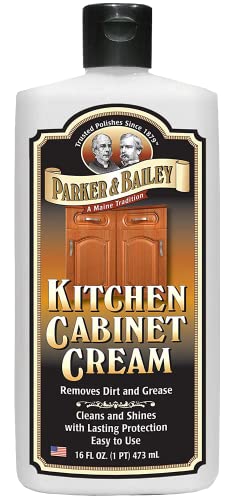
Kitchen Cabinet Creme cleans, restores and removes grease or food stains off your kitchen cabinets

EFFECTIVE - Quick and easy way to clean your wood floors and cabinets.
Preparing the Area
- Clear the countertop: Remove items from the top of cabinets to create a clean workspace. This prevents obstructions during the cleaning process.
- Gather supplies: Collect necessary cleaning materials. You will need a spray bottle, microfiber cloths, mild dish soap, vinegar, baking soda, and a soft-bristled brush.
- Cover surrounding areas: Lay down drop cloths or towels underneath to catch drips and protect your floors.
- Inspect the cabinets: Check for any damage. Identifying any existing wear helps you avoid further harm during cleaning.
Cleaning Process
- Mix your cleaner: Combine equal parts vinegar and water in a spray bottle. For tougher spots, create a paste using baking soda and water.
- Apply the solution: Spray the cleaner on a section of the cabinet. Allow it to sit for a few minutes. This loosens sticky residue.
- Wipe the surface: Use a microfiber cloth to gently scrub the cabinet. For crevices, use a soft-bristled brush. Wipe in the direction of the grain.
- Rinse with clean water: After scrubbing, moisten a cloth with plain water to remove cleaning solution and residue.
- Dry immediately: Use a separate dry microfiber cloth to wipe down the cabinets, preventing water damage.
Drying and Finishing Touches
- Check for any missed spots: Before finishing, inspect the cabinets for sticky areas. Repeat cleaning as necessary.
- Polish the finish: If the cabinets look dull, apply a suitable wood polish to enhance their shine and protect the finish.
- Reorganize your space: Once completely dry, return items to the countertop, ensuring everything is clean.
- Maintain regularly: Establish a cleaning schedule to prevent buildup. Wipe down cabinets weekly with a damp cloth to keep them looking fresh.
Tips for Maintaining Clean Cabinets
Maintaining clean oak kitchen cabinets requires regular attention and a few simple practices. These tips ensure your cabinets retain their beauty and resist stickiness.
Preventive Measures
- Cover Surfaces: Use placemats or coasters under cooking appliances to prevent direct contact and minimize spills.
- Wipe Down After Use: Quickly wipe down cabinets with a damp cloth after cooking to remove any grease or food particles.
- Manage Humidity: Use a dehumidifier in damp areas to prevent moisture damage, which can contribute to sticky surfaces.
- Choose Safe Cleaning Products: Opt for non-abrasive, pH-balanced cleaners to avoid damage to the finish while cleaning.
Regular Maintenance Routine
- Schedule Cleanings: Establish a cleaning schedule, ideally once a month, to keep cabinets in top condition.
- Dust Weekly: Use a microfiber cloth to dust surfaces and prevent buildup.
- Check for Damage: Regularly inspect your cabinets for scratches or chips and address them promptly to prevent further deterioration.
- Reapply Finish: Consider refreshing the finish every few years to protect against stains and moisture, maintaining the integrity of the wood.
Following these tips helps you keep your oak kitchen cabinets looking fresh and clean, ensuring they remain a beautiful part of your kitchen for years to come.
Conclusion
Keeping your oak kitchen cabinets clean and sticky-free doesn’t have to be a hassle. By using the right cleaning solutions and tools you can restore their beauty and maintain their longevity. Regular maintenance is key to preventing that pesky stickiness from returning.
Make it a habit to wipe down your cabinets after cooking and schedule monthly cleanings to keep them in top shape. With a little effort you can enjoy a fresh and inviting kitchen space that reflects your style. Happy cleaning!
Frequently Asked Questions
What causes sticky residue on oak kitchen cabinets?
Sticky residue on oak kitchen cabinets often comes from grease and oil splatters, food spills, and residues left by cleaning products. Humidity and moisture can also play a significant role, making it essential to maintain a controlled environment in busy kitchens.
How can I clean sticky oak kitchen cabinets effectively?
To clean sticky oak cabinets, use a mixture of vinegar and water, baking soda paste, or mild dish soap. Apply your chosen solution with a microfiber cloth or soft brush, rinse with clean water, and dry immediately to prevent damage.
What cleaning supplies do I need for oak kitchen cabinets?
Essential supplies include a vinegar-water mixture, baking soda, mild dish soap, microfiber cloths, sponges, soft-bristled brushes, spray bottles, and buckets. These tools will help ensure an effective cleaning without damaging the cabinet finish.
How can I maintain clean oak kitchen cabinets?
Regular maintenance includes covering surfaces with placemats, wiping down cabinets after use, managing humidity, and using safe cleaning products. Schedule monthly cleanings, dust weekly, and check for any damage to keep your cabinets looking great.
How often should I clean my oak kitchen cabinets?
It is recommended to clean oak kitchen cabinets at least once a month. Additionally, dusting weekly and checking for damage will help maintain their appearance and longevity, preventing buildup of stickiness over time.
