
Key Takeaways
- Understand Common Stain Causes: Recognize that food spills, dirt, chemical reactions, and improper cleaning techniques contribute to stains on kitchen floor tiles.
- Gather Essential Cleaning Supplies: Equip yourself with pH-neutral cleaners, baking soda, vinegar, and appropriate tools like soft-bristle brushes and mops for effective cleaning.
- Follow a Step-by-Step Cleaning Approach: Clear the area, sweep, and apply targeted cleaning techniques for specific stains using homemade solutions like vinegar or baking soda paste.
- Implement Regular Maintenance: Regularly sweep, mop, and address spills immediately to prevent staining and maintain the appearance of your tiles.
- Adopt Preventative Measures: Use sealants, door mats, and educate family members on careful handling of food and drinks to minimize future stains on your kitchen floor tiles.
Have you ever looked down at your kitchen floor tiles and wondered how they got so stained? It’s a common issue that can make even the tidiest kitchens feel uninviting. Whether it’s spills from cooking or dirt tracked in from outside, those stubborn stains can seem impossible to remove.
Understanding Stained Kitchen Floor Tiles
Stained kitchen floor tiles can disrupt your kitchen’s appearance and make cleaning feel daunting. Understanding the causes and effects of these stains helps tackle the issue effectively.
Common Causes of Stains
Stains on kitchen floor tiles often arise from various everyday occurrences, including:
- Food Spills: Sauces, oils, and drinks can leave persistent marks if not cleaned promptly.
- Dirt and Debris: Grime from shoes or pets can accumulate, creating unsightly patches.
- Chemical Reactions: Products like vinegar or bleach may react with tile surfaces, leading to discoloration.
- Improper Cleaning Techniques: Using abrasive materials or harsh cleaners can damage tiles, promoting staining.
Impact of Stains on Tile Longevity
Stains affect not only aesthetics but also the lifespan of your tiles. Here are some impacts to consider:
- Porosity: Stains can penetrate porous tiles, leading to permanent discoloration and weakening the structure.
- Maintenance Costs: Frequent stains can require costly professional cleaning or replacement of tiles if not addressed.
- Reduced Value: Homes with stained tiles may have lower resale value, deterring potential buyers.
By recognizing these aspects, you can better manage and potentially prevent stains on your kitchen floor tiles.
Essential Cleaning Supplies
Cleaning stained kitchen floor tiles requires specific supplies. Gather the right materials for effective cleaning and stain removal.
Recommended Cleaning Agents
- pH-neutral floor cleaner: Safe for all tile materials and effective in removing built-up grime.
- Baking soda: Acts as a gentle abrasive and deodorizer; mix with water to create a paste for tough stains.
- Vinegar: A natural disinfectant that can break down stains; dilute with water for a safer solution.
- Hydrogen peroxide: Effective for stubborn stains, especially on grout; apply with caution on colored tiles.
- Oxygen bleach: Non-toxic and safe for whites; helps lift stains without harsh chemicals.
Tools for Effective Cleaning
- Soft-bristle brush: Effective for scrubbing without scratching tiles; great for targeted stain removal.
- Mop: Use a microfiber mop for daily cleaning; ensures even distribution of cleaning solutions.
- Bucket: Necessary for mixing cleaning agents and rinsing materials; helps manage excess water.
- Sponge: Ideal for applying cleaning solutions and soaking up spills; use a non-abrasive sponge to avoid damage.
- Spray bottle: Convenient for applying diluted cleaners directly to stained areas; prevents oversaturation.
Equipping yourself with the right cleaning agents and tools sets you up for success in restoring your kitchen floor tiles to their original condition.
Step-by-Step Guide on How to Clean Stained Kitchen Floor Tiles
Cleaning stained kitchen floor tiles requires a systematic approach. Follow these steps for effective results.
Recommended Products

Acid-free grout cleaner – Safely cleans grout without harsh acids. Will not degrade grout or damage tile, marble, granite, or natural stone surfaces.

Powerful Cleaning Action: The Pink Stuff Multi-Purpose Cleaner is formulated to tackle tough stains and grime, leaving surfaces sparkling clean with minimal effort.
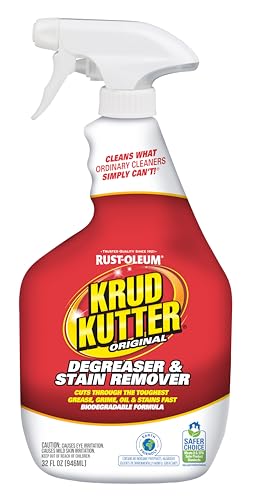
Heavy Duty Degreasing Performance: Helps break down grease, oil, grime, wax, and tough stains across a wide range of surfaces
Preparing the Area
- Clear the space: Remove furniture, rugs, and any objects from the floor. This provides unobstructed access for cleaning.
- Sweep or vacuum: Gather loose dirt and debris that may hinder the cleaning process. This step makes scrubbing easier and more effective.
- Protect surfaces: Place a drop cloth or old towels under any appliances or cabinets that won’t be moved. Prevents damage to lower areas and countertops.
Cleaning Techniques for Different Stains
- Food spills: Mix equal parts vinegar and water in a spray bottle. Spray the stained area, let it sit for 5-10 minutes, then scrub lightly with a soft-bristle brush. Rinse with clean water.
- Grease stains: Apply baking soda directly onto the stain, then spray with water to create a paste. Allow it to sit for 15 minutes. Scrub with a microfiber mop, then wipe with a damp cloth.
- Ink or dye stains: Use rubbing alcohol on a cloth to blot the stained area. Avoid rubbing, as this may spread the stain. Let it sit for 5 minutes, then rinse with water.
- Mold or mildew: Combine hydrogen peroxide and water in a spray bottle. Spray the affected areas and let sit for 30 minutes. Scrub with the soft-bristle brush, then rinse thoroughly.
- Tough stains: For stubborn stains, oxygen bleach mixed with warm water can work wonders. Follow package directions for dilution. Apply, let it sit as instructed, scrub, then rinse.
Following these techniques ensures effective removal of stains and restores the beauty of your kitchen floor tiles.
Preventative Measures
Preventing stains on kitchen floor tiles requires consistent effort and a few strategic practices. Implementing these steps can greatly enhance the longevity and appearance of your tiles.
Regular Maintenance Tips
- Sweep or Vacuum Often: Dust and debris can scratch tiles over time. Regularly clearing the floor minimizes this risk.
- Mop Weekly: Use a pH-neutral cleaner weekly to maintain cleanliness and prevent buildup. Avoid harsh cleaners that can damage tiles.
- Wipe Spills Promptly: Clean up food and drink spills immediately to avoid staining. Quick action helps mitigate damage.
- Use Door Mats: Place mats at entry points to trap dirt and moisture before they reach your tiles. This reduces the need for frequent cleaning.
- Inspect for Damage: Check for cracks or chips regularly. Addressing these issues promptly prevents dirt from accumulating in crevices.
Protecting Tiles from Future Stains
- Apply a Sealant: Use a penetrating sealant specifically designed for your tile type. This provides a protective barrier against stains.
- Choose the Right Furniture and Items: Use felt pads under furniture legs to prevent scratching. Avoid dragging items across the floor.
- Limit High-Traffic Areas: Designate certain paths for high-traffic activities to limit wear and tear. Consider area rugs in these zones.
- Educate Family Members: Inform everyone about proper food and drink handling in the kitchen. Simple precautions can avoid messy situations.
- Select Appropriate Cleaning Tools: Use soft-bristle brushes and microfiber mops. These are gentle on tiles while ensuring effective cleaning.
By implementing these preventative measures, you can maintain the pristine condition of your kitchen floor tiles and reduce the occurrence of stains.
Conclusion
Keeping your kitchen floor tiles clean doesn’t have to be a daunting task. With the right tools and techniques you can tackle those stubborn stains and bring back the shine to your tiles. Remember to stay consistent with your cleaning routine and address spills as soon as they happen to prevent lasting damage.
By following the steps outlined and incorporating preventative measures you’ll not only enhance the beauty of your kitchen but also extend the life of your tiles. So roll up your sleeves and get ready to enjoy a cleaner and more inviting kitchen space. Happy cleaning!
Frequently Asked Questions
What causes stains on kitchen floor tiles?
Stains on kitchen floor tiles often result from spills, dirt, and debris brought in from outside. Food spills, grease, and even chemical reactions from cleaning products can contribute to the problem. Over time, these stains can penetrate porous tiles, making them challenging to remove.
How can I remove stains from my kitchen floor tiles?
To remove stains, use a pH-neutral floor cleaner or natural agents like baking soda, vinegar, and hydrogen peroxide. Apply the cleaner, scrub gently with a soft-bristle brush, and rinse thoroughly. For tougher stains, consider using oxygen bleach or consult specific cleaning techniques outlined in cleaning guides.
What cleaning supplies do I need for kitchen floor tile maintenance?
Essential cleaning supplies include a pH-neutral floor cleaner, baking soda, vinegar, hydrogen peroxide, and oxygen bleach. You’ll also need tools like a soft-bristle brush, microfiber mop, bucket, sponge, and spray bottle to effectively clean and maintain your kitchen floor tiles.
How can I prevent stains on my kitchen floor tiles?
To prevent stains, sweep or vacuum regularly, mop with a pH-neutral cleaner weekly, and promptly address spills. Use door mats to trap dirt and consider applying a sealant on porous tiles to protect against stains and extend their lifespan.
How often should I clean my kitchen floor tiles?
It’s recommended to sweep or vacuum your kitchen floor tiles daily to remove dirt and debris. Mopping with a pH-neutral cleaner should be done weekly. Regular maintenance helps prevent stains and keeps the tiles looking clean and fresh.
