
Key Takeaways
- Identify Stain Causes: Common kitchen sink stains arise from food particles, hard water, and beverages like coffee and tea; understanding these helps in effective cleaning.
- Know the Types of Stains: Stains vary from surface stains, which are easily wiped away, to etched marks that require more intensive cleaning efforts.
- Gather Appropriate Cleaning Supplies: Use natural options like baking soda and vinegar, or store-bought cleaners and tools to efficiently tackle stains.
- Follow a Cleaning Routine: A step-by-step approach—preparing the sink, applying the solution, and scrubbing—ensures thorough cleaning for optimal results.
- Implement Preventive Measures: Regular maintenance, such as rinsing after use and avoiding harsh chemicals, helps prevent future staining and keeps your sink looking fresh.
- Use Best Practices for Care: Selecting the right cleaning materials and addressing issues like hard water deposits proactively enhances the longevity of your sink’s appearance.
Is your kitchen sink looking more like a science experiment than a place for washing dishes? You’re not alone. Many of us face the frustration of stubborn stains that seem impossible to remove. Whether it’s coffee rings, food residue, or hard water deposits, a dirty sink can make your kitchen feel less inviting.
Understanding Kitchen Sink Stains
Kitchen sink stains often come from daily activities. Regular use, combined with various substances, leads to unsightly marks. Understanding these stains helps you tackle them effectively.
Common Causes of Stains
- Food Particles: Scraps from cooking and eating can leave colorful stains. Vegetables, sauces, and oils contribute significantly.
- Hard Water: Minerals like calcium and magnesium lead to hard water deposits. These white streaks accumulate over time, making sinks appear dirty.
- Beverages: Coffee, tea, and fruit juices can cause dark rings and discoloration. Their residual pigments stick to sink surfaces easily.
- Cleaning Products: Some cleaners may react poorly with the sink’s material. This results in unexpected stains or even damage to the finish.
Types of Stains
- Surface Stains: These stains sit on top of the sink surface. They often result from food residue and can be wiped away easily.
- Water Spots: Hard water leaves behind marks after drying. These can appear as streaks or spots that don’t wash off with routine cleaning.
- Etched Marks: Some stains embed into the sink material. These usually come from harsh chemicals or scrubbing with abrasive tools.
- Rust Stains: Metallic items left in the sink may rust, leading to reddish-brown stains. Regularly removing metal objects minimizes this issue.
Understanding these common causes and types of stains prepares you for effective cleaning, making your kitchen sink look brand new.
Cleaning Supplies You’ll Need
Gathering the right supplies makes cleaning your kitchen sink efficient and effective. Below is a list of items to consider before starting your cleaning process.
Natural Cleaning Solutions
- Baking Soda: Acts as a gentle abrasive. It lifts stains without scratching surfaces.
- White Vinegar: A natural disinfectant. It helps dissolve mineral deposits and eliminate odors.
- Lemon Juice: Contains natural acids. It brightens stainless steel and cuts through grease effectively.
- Olive Oil: Provides shine. It can be used to buff stainless steel sinks after cleaning.
Store-Bought Products
- All-Purpose Cleaners: Versatile cleaners can tackle various stains. Opt for a non-toxic version for safer usage.
- Scrub Brushes: Look for brushes with soft bristles. These prevent scratching while removing tougher stains.
- Stainless Steel Polish: Specifically designed for stainless steel, it provides a protective coat and shine after cleaning.
- Toothbrush: Use an old toothbrush for tight spaces. It effectively cleans around faucets and drain areas.
Step-by-Step Guide to Cleaning a Stained Kitchen Sink
Follow these steps to restore your kitchen sink to its original shine.
Recommended Products
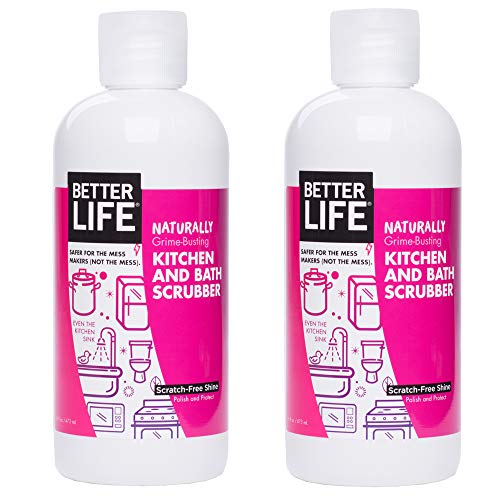
VERSATILE KITCHEN & BATH CLEANER – Better Life sink cleaner and kitchen and bath scrubber combines gentle micro-abrasives with effective cleaning agents to tackle sinks, tubs, tiles, grout, and more.

New cleaning methods : Boost your cleaning routine with our pumice stone.This tool surpasses traditional toilet brushes, providing superior cleanliness and efficiency for an optimally clean and hygienic toilet.

Have you ever had trouble changing your cleaning tools frequently to clean different kinds of dishes and kitchen equipment? Our multipurpose wire dishwashing rags for wet and dry can help you solve this problem. Reusable, highly absorbent, easy to remove grease, non-scratch and fast drying.
Preparing the Sink
Start by removing all items from the sink, such as dishes, utensils, and cleaning supplies. Rinse the sink with warm water to loosen debris. Inspect for any visible stains or grime; this helps you target specific problem areas.
Applying the Cleaning Solution
Choose your cleaning solution, either a natural option or a store-bought cleaner. For a natural option, mix equal parts of white vinegar and water in a spray bottle. For tougher stains, sprinkle baking soda directly onto problem areas. Apply your chosen solution generously, ensuring all stained spots are covered. Let the solution sit for about 10-15 minutes to break down the stains.
Scrubbing Techniques
Use a soft sponge or cloth to scrub the sink in circular motions. Start from the top and work your way down to avoid redistributing dirt. For stubborn stains, a scrub brush can provide extra scrubbing power. Rinse the sink thoroughly with warm water to remove any residue. For a final touch, dry the sink with a microfiber cloth to prevent water spots and enhance shine.
Preventing Future Stains
Keeping your kitchen sink clean requires regular attention and care. Simple steps can significantly reduce the risk of stubborn stains.
Regular Maintenance Tips
- Rinse Immediately: After using the sink, rinse it with warm water. This simple act removes food particles and prevents buildup.
- Wipe Down Daily: Use a soft cloth to wipe the sink each day. This practice helps eliminate any remaining residues.
- Use Baking Soda Weekly: Sprinkle baking soda along the sink surface and scrub gently. This routine removes light stains and keeps the sink fresh.
- Avoid Harsh Chemicals: Stick to mild cleaners. Strong chemicals can etch the surface, leading to more stains.
- Check for Leaks: Addressing leaks promptly stops water pooling, which contributes to mineral deposits and rust.
Best Practices for Sink Care
- Choose the Right Materials: Use non-abrasive sponges or cloths for cleaning. Scratches can attract grime and lead to stains.
- Limit Staining Foods: Whenever possible, avoid pouring oily or acidic substances down the drain. These can create tough stains over time.
- Neutralize Hard Water: Consider installing a water softener if hard water leaves deposits. This system reduces calcium and magnesium buildup.
- Seal the Surface: If you have a natural stone sink, apply a sealant as recommended. Sealing protects against stains and eases cleaning.
- Mind the Drain: Regularly clean the drain trap. A clogged drain can cause backflow and create messes around the sink.
By adopting these strategies, you’re setting the stage for a stain-free and inviting kitchen sink.
Conclusion
Taking care of your kitchen sink doesn’t have to be a daunting task. With the right supplies and a little know-how, you can tackle those pesky stains and keep your sink looking fresh. Remember to stay consistent with your cleaning routine and adopt simple habits to prevent stains from building up.
By using natural solutions or your favorite store-bought products, you can easily restore your sink’s shine. A clean sink not only enhances the look of your kitchen but also makes cooking and cleaning a more enjoyable experience. So go ahead and give your sink the care it deserves. You’ll love the results!
Frequently Asked Questions
What are the common causes of stains in kitchen sinks?
Kitchen sink stains typically come from food particles, hard water deposits, beverage spills, and certain cleaning products. These elements can create surface stains, water spots, and rust marks, which can be frustrating to clean.
How can I effectively clean my stained kitchen sink?
Start by clearing the sink and rinsing it with warm water. Apply a cleaning solution (natural or store-bought), let it sit, and scrub gently with a soft sponge. Rinse thoroughly and dry the sink with a microfiber cloth to prevent water spots.
What natural cleaning solutions can I use for my kitchen sink?
Effective natural cleaning solutions include baking soda for stain lifting, white vinegar for disinfecting, lemon juice for tackling tough stains, and olive oil for adding shine. These are safe and eco-friendly options for maintaining your sink.
How can I prevent future stains in my kitchen sink?
To prevent stains, rinse the sink after each use, wipe it down daily, and use baking soda weekly for freshness. Avoid harsh chemicals and check for leaks to minimize mineral deposits that cause staining.
What cleaning supplies do I need for maintaining a kitchen sink?
Essential cleaning supplies include a soft sponge or cloth, baking soda, white vinegar, an all-purpose cleaner, a scrub brush, and an old toothbrush for hard-to-reach areas. Gather these items for effective cleaning and maintenance.
