
Key Takeaways
- Causes of Yellowing: Key factors contributing to yellowing white kitchen cabinets include sunlight exposure, heat and humidity, smoke and grease accumulation, low-quality paint, and cabinet age.
- Effective Cleaning Methods: Use a mild soap and water solution, baking soda paste, or a vinegar and water solution to effectively clean and restore brightness to yellowed cabinets.
- Avoid Harsh Chemicals: Some commercial cleaners can damage finishes and accelerate yellowing. It’s essential to use gentle, pH-neutral cleaning solutions.
- Regular Maintenance: Establish a routine cleaning schedule to prevent the accumulation of dirt and grease, and perform monthly deep cleans to tackle stubborn stains.
- Choose the Right Products: Select cleaning products carefully, favoring natural alternatives and testing on inconspicuous areas to avoid damage.
- Preventative Measures: Protect cabinets by applying UV-resistant coatings and maintaining proper humidity and temperature levels in the kitchen environment.
Have you noticed your once-bright white kitchen cabinets turning a dull yellow? It’s a common issue that can happen over time due to factors like smoke, grease, and even sunlight. You’re not alone if you feel frustrated looking at those cabinets that used to shine.
Understanding Yellowing of White Kitchen Cabinets
Yellowing of white kitchen cabinets occurs due to several factors. These include:
- Sunlight Exposure
Direct sunlight causes chemical reactions in paint or laminate finishes. Over time, these reactions lead to discoloration.
- Heat and Humidity
High temperatures and moisture make cabinets more prone to yellowing. The kitchen environment, often humid from cooking, accelerates this process.
- Smoke and Grease Accumulation
Cooking fumes and grease accumulate on the surface of the cabinets. This buildup not only makes cabinets dirty but also contributes to yellowing.
- Low-Quality Paint
Using inferior paint or finishes may result in faster yellowing. Cheaper products often lack the stability to resist environmental factors.
- Age of the Cabinets
Old cabinets may show more yellowing than newer ones. Natural wear and tear diminishes the cabinet’s original color.
To prevent further yellowing, consider applying UV-resistant coatings or using high-quality paints designed to resist yellowing. Regular cleaning will also help keep cabinets looking their best.
Recommended Products

40 YEARS OF FINISHING EXPERTISE – Created by second-generation kitchen specialists who understand the science of wood finishes. Our professional kitchen cabinet cleaner is specially designed as a safe wood cabinet cleaner that protects finishes while cleaning.

CABINET & FURNITURE CLEANER: Removes dirt, grime & grease buildup

Complete Cleaning Kit for Effortless Cabinet Care - Everything you need for spotless cabinets in one easy set. This kitchen cabinet cleaner kit includes a precision cleaning brush, and an 8 oz bottle with a calibrated spray top for even coverage. The cabinet cleaner for wood offers a smooth application, while the long-lasting cabinet cleaner degreaser helps you keep your cabinets looking cared for day after day.
Causes of Yellowing
Yellowing of white kitchen cabinets occurs due to several primary factors. Understanding these causes can help you address and prevent the issue effectively.
Exposure to Heat
Exposure to heat significantly contributes to yellowing. High temperatures in cooking areas lead to chemical changes in cabinet finishes. For instance, steam from boiling pots or hot ovens affects the integrity of paint and laminate. If your cabinets are near the stove, remember that heat can accelerate discoloration over time.
Use of Harsh Cleaners
The use of harsh cleaners can also cause yellowing. Strong chemicals may strip away protective coatings, making surfaces more prone to discoloration. Many common household cleaners contain bleach or ammonia, which can damage finishes. Opt for gentle, non-abrasive cleaners instead, ensuring they’re safe for your cabinets.
Cleaning Methods
Cleaning yellowed white kitchen cabinets requires specific methods to restore their brightness. Here are effective cleaning solutions you can use.
Recommended Products

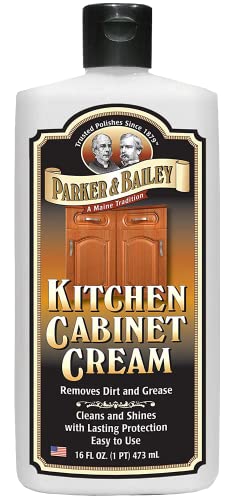
Wood Cabinet Cleaner - Parker & Bailey Kitchen Cabinet Cleaner has a safe, easy to use formula that gently works as a degreaser, spot cleaner and build-up remover. Rejuvenate cabinets to their original beauty and natural look

POWERFUL CLEANING ACTION: The Pink Stuff Multi-Purpose Cleaner is formulated to tackle tough stains and grime, leaving surfaces sparkling clean with minimal effort

CLEAN PAINTED WALLS IN SECONDS Make clean-up a breeze with the family-friendly wall cleaner for painted walls and baseboards. Remove fingerprints, scuffs, and dirt from everyday surfaces around your home. Activates instantly!
Mild Soap and Water Solution
Start with a mild soap and water solution. Mix two tablespoons of dish soap in a bucket of warm water. Dip a soft cloth or sponge into the mixture, wring it out, and gently wipe the cabinet surfaces. Focus on one section at a time and use circular motions to lift dirt and grease. Rinse the cloth frequently to avoid spreading residue. After cleaning, use a dry cloth to remove excess moisture and prevent water damage.
Baking Soda Paste
Consider using a baking soda paste for tougher stains. Combine equal parts baking soda and water to form a paste. Apply the paste directly to the yellowed areas of your cabinets. Let it sit for 10-15 minutes to penetrate the stains. Gently scrub with a soft sponge or cloth, then wipe it away with a damp cloth. Rinse the area thoroughly to ensure no baking soda residue remains, as it can leave a white film if not cleaned properly.
Vinegar and Water Solution
Use a vinegar and water solution for a natural disinfectant. Mix one part white vinegar to three parts water in a spray bottle. Spray the solution onto the cabinet surfaces or apply it with a cloth. Allow it to sit for a few minutes before wiping with a clean, damp cloth. The acidity of the vinegar helps break down grime without harsh chemicals. Rinse the cabinets with plain water to remove any vinegar smell.
Implement these methods regularly to maintain the appearance of your white kitchen cabinets and prevent yellowing from returning.
Preventative Measures
Protecting your white kitchen cabinets from yellowing takes consistent effort. Simple practices can significantly extend the life and brightness of your cabinetry.
Recommended Products
Cleans years of built-up grease and food stains from kitchen cabinets without harsh chemicals or sticky residue

Fast Tough Grease Removal: Specially formulated for kitchen cabinets. No cabinet damage. Removes tough grease buildup and fingerprints that ordinary cleaners can’t tackle. Wipes away instantly. Leaves cabinets fresh and shiny—no streaks, residue or oily film

EASY TO USE :Spray and wipe for routine kitchen cabinet cleaning without a dull, sticky feel
Regular Maintenance
Implement a routine cleaning schedule to maintain your cabinets. Clean surfaces weekly with a soft cloth and a gentle soap solution. This removes grease and cooking fumes before they can accumulate. Dry the cabinets thoroughly after cleaning to prevent moisture retention. Monthly deep cleaning with a mild cleaner can help remove stubborn stains while preserving the finish. Always check hinges and edges, as these areas may collect dust and grime more easily.
Choosing the Right Cleaning Products
Select cleaning products with care. Look for pH-neutral cleaners, as these are less likely to strip protective finishes on your cabinets. Avoid products containing bleach or ammonia, which can cause damage over time. Instead, consider using natural alternatives like vinegar diluted in water for a safe option. Always test any product on a small, inconspicuous area first to ensure it doesn’t discolor or damage the surface. Opt for soft sponges or microfiber cloths to avoid scratching.
By following these preventative measures, you can preserve the charm of your white kitchen cabinets and keep them looking fresh for years.
Conclusion
Keeping your white kitchen cabinets looking bright and fresh is totally achievable with the right care. By understanding the reasons behind yellowing and adopting a regular cleaning routine you can maintain their beauty for years to come.
Don’t forget to use gentle cleaners and protective coatings to prevent further discoloration. With a little effort and the right techniques you’ll enjoy a stunning kitchen that feels inviting and clean.
So grab those cleaning supplies and get started on restoring your cabinets to their former glory. Your kitchen will thank you!
Frequently Asked Questions
Why do white kitchen cabinets turn yellow over time?
The yellowing of white kitchen cabinets is primarily caused by exposure to smoke, sunlight, high heat, and humidity. These factors can lead to chemical reactions in paint or laminate finishes, making them susceptible to discoloration, especially if low-quality paint is used.
How can I prevent my white cabinets from yellowing?
To prevent yellowing, consider applying UV-resistant coatings, using high-quality paints, and implementing a routine cleaning schedule. Regular cleaning with gentle, non-abrasive cleaners can help reduce the buildup of grease and cooking fumes, maintaining their brightness.
What cleaning methods can restore yellowed cabinets?
To restore yellowed cabinets, start with a mild soap and water solution. For tougher stains, use a baking soda paste, or a vinegar and water solution as a natural disinfectant. Always rinse and dry thoroughly after cleaning to prevent further damage.
What products should I avoid when cleaning my cabinets?
Avoid harsh cleaners containing bleach or ammonia, as they can strip protective coatings and make surfaces more prone to yellowing. Instead, opt for gentle, pH-neutral cleaning products to maintain the integrity of your cabinets.
How often should I clean my kitchen cabinets?
A weekly routine cleaning with a soft cloth and mild soap solution is recommended to remove grease and cooking fumes. Additionally, conduct a deeper clean once a month using gentle cleaners to keep your cabinets looking fresh and prevent yellowing.
