
Key Takeaways
- Common Causes of Clogs: Food particles, grease, soap residue, hair, and mineral buildup are primary culprits leading to clogged kitchen sinks.
- Signs to Watch For: Slow draining, unpleasant odors, gurgling sounds, and water backing up are clear indicators of a clog that needs attention.
- Effective DIY Solutions: Utilize boiling water, a baking soda and vinegar solution, or a plumber’s snake to tackle minor to moderate clogs effectively.
- When to Seek Help: If clogs persist, affect multiple drains, or show signs of visible damage, professional assistance may be necessary to prevent further plumbing issues.
- Preventative Measures: Regular maintenance, like running hot water, using strainers, and avoiding certain foods, can significantly reduce the risk of future clogs.
Have you ever found yourself standing in front of a kitchen sink filled with murky water, wondering how it all went wrong? A clogged sink is a frustrating problem that can disrupt your daily routine and leave you feeling helpless. You’re not alone; this is a common issue many face.
Understanding Clogged Kitchen Sinks
Clogged kitchen sinks create inconvenience and frustration. Recognizing their causes and signs helps you address the issue effectively.
Common Causes of Clogs
- Food Particles: Disposing of leftover food through the sink often leads to buildup. Scrape plates into the trash instead of the sink.
- Grease: Pouring grease down the drain solidifies and traps debris. Allow grease to cool and dispose of it in the trash.
- Soap Residue: Soap scum can accumulate, especially with hard water. Use liquid soap as it dissolves better than bar soap.
- Hair: Long hair strands can easily catch in drains. Use a drain cover to prevent hair from entering the plumbing.
- Mineral Buildup: Deposits from hard water can block pipes over time. Regularly clean the drain with a vinegar and baking soda solution.
Signs of a Clogged Sink
- Slow Draining: Water takes longer to drain, indicating a partial blockage. This is often the first sign to notice.
- Unpleasant Odors: Foul smells can arise from decomposing food or stagnant water in pipes. If you notice bad odors, investigate for clogs.
- Gurgling Sounds: Unusual noises from the sink suggest trapped air due to obstruction. Listen for these sounds during use.
- Water Backing Up: If water backs up into the sink or other fixtures, a serious clog likely exists. Address this promptly to avoid further issues.
Recognizing these signs and causes helps you take swift action to clear your clogged kitchen sink.
DIY Methods to Clear a Clogged Kitchen Sink
You can tackle a clogged kitchen sink using several DIY methods. Each method offers a simple solution that may restore your sink’s functionality without needing professional help.
Recommended Products

【EXCELLENT LENGTH】Metal clog remover is 35.5 inches long with a claw extending from the top, which could easily insert to deeper pipes, and grab the blockage and hair. Drain snake is 25 inches long with tiny hooked teeth on it, which is perfect to insert and easy to pull out hair and blockage. Cleaning brush is bendable and durable for daily cleaning of pipe inner wall.
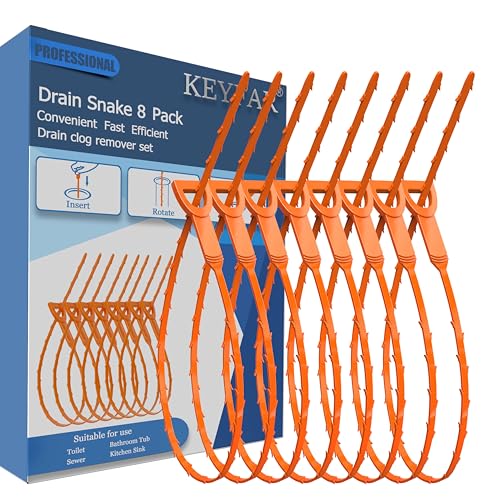
【VALUABLE COMBINATION】8 pack of drain cleaning snake will fulfill your need to remove hair and other blockage.

Package Includes: This value pack comes with 4 pack of 25" drain clog remover cleaning tools. The width of each hair drain clog remover is 0.45 inches. Please measure your drain opening to ensure it is larger than 0.5 inches before purchasing
Using Boiling Water
Use boiling water as the first line of defense against minor clogs. Pour a pot of boiling water directly down the drain in two to three stages, allowing time between each pour. The heat melts grease and dissolves soap residue. If the clog persists after a couple of tries, consider using another method.
Baking Soda and Vinegar Solution
Create a powerful cleaning reaction with baking soda and vinegar. Start by removing any standing water from the sink. Pour about 1/2 cup of baking soda down the drain, followed by 1/2 cup of vinegar. Cover the drain with a plug to trap the reaction. Wait about 15-30 minutes, then flush the drain with hot water. This method effectively breaks down food particles and helps eliminate odors.
Plumber’s Snake
Use a plumber’s snake for stubborn clogs that other methods can’t clear. Insert the snake into the drain and gently turn the handle. As you push it through, the snake can grab or break up clogs. Once you feel resistance, continue rotating the snake to either dislodge it or pull it out. After using the snake, flush the drain with hot water to clear any remaining debris.
Use these DIY methods to keep your kitchen sink draining smoothly, addressing clogs before they become major headaches.
When to Call a Professional
Sometimes, a clog goes beyond what DIY methods can fix. Recognizing when to call a professional plumber can save you time and prevent further damage to your sink.
Situations Requiring Expert Help
- Persistent Clogs: If your sink remains clogged after multiple attempts with boiling water, vinegar, or a plumber’s snake, it’s time to involve an expert.
- Frequent Issues: Regular clogs may indicate a deeper problem in your plumbing. A plumber can inspect and address underlying issues.
- Multiple Drains Affected: When other sinks, toilets, or tubs also drain slowly, the issue likely resides in the main line. A professional can diagnose the problem safely.
- Visible Damage: If you notice leaks under the sink or around pipes, electrical issues near water sources, or water stains on cabinetry, a professional should assess the situation.
- Unfamiliar Tools Needed: If the clog requires specialized equipment like a hydro jetter or camera inspection, don’t hesitate to call in a pro.
Cost of Professional Services
Understanding the potential costs can help you budget for plumbing services. Prices can vary based on factors such as location, severity, and urgency. Here’s a general breakdown:
| Service Type | Average Cost |
|---|---|
| Basic Clog Clearing | $100 – $250 |
| Drain Cleaning | $150 – $400 |
| Main Line Inspection | $200 – $500 |
| Emergency Services | $250 – $800 |
Costs typically cover labor and equipment. Additional fees may arise for after-hours service or extensive repair work. It’s wise to get estimates from multiple plumbers to find the best price and service quality.
Preventive Measures to Avoid Future Clogs
Preventing clogs in your kitchen sink saves time and effort. Regular care keeps everything flowing smoothly.
Recommended Products
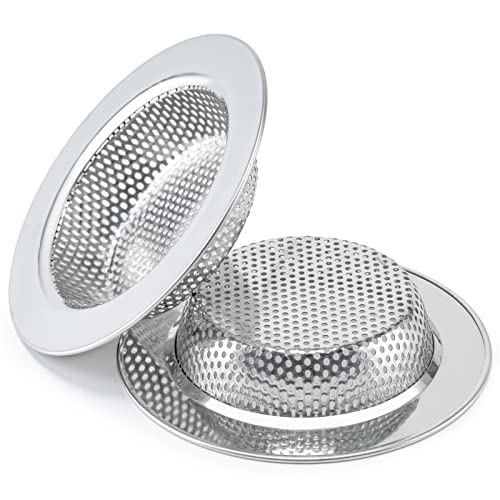
【Premium Materials】: Stainless steel sink strainer, bright, long-lasting, rustproof.

You can have both types of kitchen sink strainers at the same time, made of high-quality Stainless steel with reliable rust-free function.

Size - This diameter of this shower drain hair catcher is 2.79 x 1.75 x 0.74 inch. 2PCS bathtub drain cover fit for the drain hole between 1.75 inch to 2.79 inch.
Regular Maintenance Tips
- Run hot water: Run hot water for 30 seconds after using the sink. This helps dissolve leftover grease and particles.
- Clean disposal regularly: Grind ice cubes or citrus peels in your garbage disposal. This freshens it up and helps prevent odors.
- Use a drain strainer: Place a strainer over the drain. It catches food particles and debris before they enter the pipes.
- Check and clean the trap: Inspect the sink trap once a month. Remove buildup to maintain a clear pathway for water.
- Use enzymatic cleaners: Use enzymatic cleaners monthly. They break down organic materials and reduce buildup without harsh chemicals.
Foods to Avoid Pouring Down the Sink
- Grease: Never pour grease down the sink. It solidifies and causes clogs in the pipes.
- Coffee grounds: Dispose of coffee grounds in the trash. They can accumulate and block drainage.
- Fibrous vegetables: Avoid fibrous veggies, like celery and asparagus. Their fibers tangle and create clogs.
- Starchy foods: Don’t put rice or pasta down the disposal. They expand with water and lead to blockages.
- Eggshells: Skip eggshells in the disposal. Their small shards can accumulate and form clogs over time.
Implementing these preventive measures keeps your kitchen sink in good condition. Regular maintenance reduces the risk of clogs and ensures efficient drainage.
Conclusion
Dealing with a clogged kitchen sink can be a hassle but you now have the tools and techniques to tackle it head-on. By recognizing the signs early and using simple DIY methods you can often clear those pesky clogs without the need for a plumber.
Remember to keep up with preventive measures to keep your sink running smoothly. Regular maintenance and being mindful of what goes down the drain can save you time and frustration down the road.
You’ve got this and your kitchen will thank you for it!
Frequently Asked Questions
What are the common causes of a clogged kitchen sink?
A clogged kitchen sink can result from various factors, including food particles, grease, soap residue, hair, and mineral buildup. These materials accumulate over time, leading to blockages that disrupt water flow.
What are the signs of a clogged sink?
Key signs of a clogged sink include slow drainage, unpleasant odors, gurgling sounds, and water backing up. Recognizing these indicators can help you address the issue early before it worsens.
How can I prevent my kitchen sink from clogging?
To prevent clogs, regularly run hot water after use, clean the garbage disposal, use a drain strainer, and check the trap monthly. Avoid pouring grease and certain foods like coffee grounds and fibrous vegetables down the sink.
What DIY methods can I try to clear a clog?
You can start by pouring boiling water down the drain to dissolve grease. For tougher clogs, mix baking soda and vinegar and pour it down the sink. A plumber’s snake can also help dislodge stubborn blockages.
When should I call a professional plumber?
Consider calling a professional if you experience persistent clogs, frequent issues, multiple drains affected, visible damage, or if you’re unsure how to proceed. Professionals have specialized tools and expertise to tackle complex problems.
What are the average costs for professional plumbing services?
Costs for professional plumbing services can vary. Basic clog clearing may range from $100 to $300, while drain cleaning and main line inspections can cost $150 to $500, and emergency services might be higher. Always get estimates from multiple plumbers.
