
Key Takeaways
- Recognize Clog Causes: Common culprits for kitchen faucet clogs include mineral buildup, food particles, soap residue, grease, and foreign objects; identifying them helps in quick resolution.
- Identify Clog Symptoms: Signs of a clogged faucet include reduced water flow, strange noises, water backup, inconsistent temperature, and leaks; recognizing these can prompt timely action.
- Gather Necessary Tools: Effective cleaning requires tools like an adjustable wrench, plumber’s snake, old toothbrush, and materials such as vinegar and baking soda for optimal results.
- Follow a Step-by-Step Process: Disassemble the faucet, clean the aerator and cartridge, and carefully reassemble to restore functionality, ensuring no step is overlooked.
- Implement Preventative Measures: Regular maintenance, including cleaning the aerator and flushing the system, is essential in avoiding future clogs and prolonging faucet life.
- Dispose of Waste Properly: To prevent clogs, avoid letting food waste and grease go down the sink; using strainers and proper disposal methods is crucial for faucet health.
Ever turned on your kitchen faucet only to be met with a frustrating trickle of water? You’re not alone. A clogged faucet can turn simple tasks like washing dishes into a real headache. But don’t worry—cleaning it doesn’t have to be a daunting chore.
Understanding Clogged Kitchen Faucets
Clogged kitchen faucets disrupt your daily routine. Recognizing the causes and signs of clogs can help you address issues promptly.
Common Causes of Clogs
- Mineral Buildup: Hard water deposits accumulate in faucet aerators or inside pipes.
- Food Particles: Small food bits wash down the sink, creating blockages over time.
- Soap Residue: Soap can mix with grease, forming a sticky substance that clogs drains.
- Grease Buildup: Cooking oils and fats solidify in the plumbing, leading to clogs.
- Foreign Objects: Items like straws or small utensils can get lodged in the faucet.
Signs Your Faucet Is Clogged
- Reduced Water Flow: A drop in water pressure typically indicates a blockage.
- Strange Noises: Gurgling or bubbling sounds often suggest trapped air in the pipes.
- Water Backup: Water pooling around the faucet area indicates a serious clog.
- Inconsistent Temperature: Fluctuating water temperature may signal a blockage.
- Leaking Faucet: Leaks can occur when water pressure builds up behind a clog.
Identifying the causes and signs early allows you to tackle clogs before they worsen.
Tools and Materials Needed
Cleaning a clogged kitchen faucet requires specific tools and materials to ensure efficiency. Gathering these items beforehand makes the process smoother and quicker.
Recommended Products
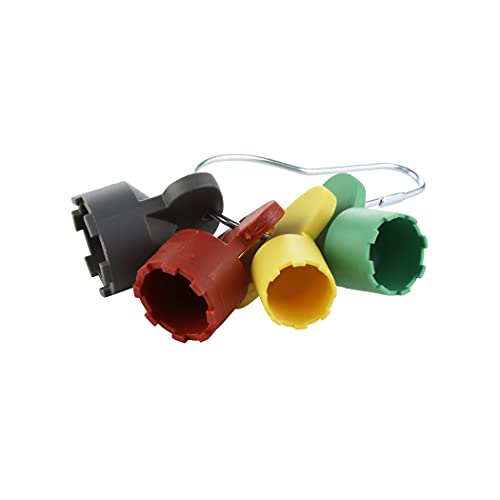
FAUCET AERATOR REMOVAL TOOL: Includes 4 different color coded keys to remove hidden faucet aerators
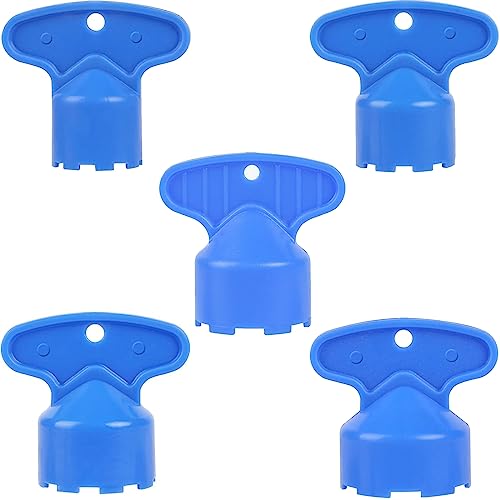
HIGH QUALITY MATERIAL:bubbler key sink bubbler wrench removal tool is made of high quality ABS material, with good overall performance, wear resistance, corrosion resistance, safe to use, easy to disassemble and long service life.
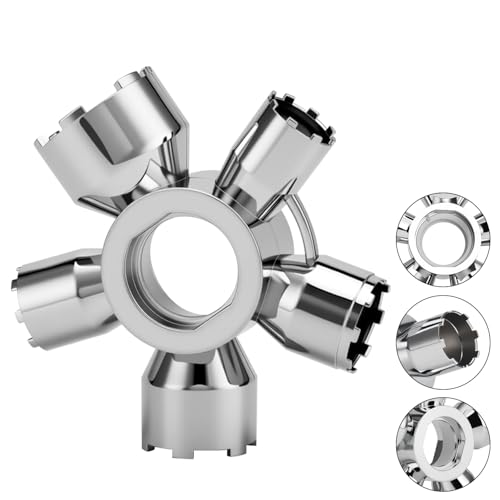
Multi-Size Heavy-Duty Design for Versatile Aerator Removal:Our 10-in-1 tool is tailored to fit 7 concealed threaded aerator sizes (TF, M16.5, M18.5, M21.5, M24, SLIM AIR M24), 2 cut-edge housing sizes (M24, M28), and 1 round housing size (M22). Compatible with most aerators on the market, it turns tedious maintenance into a quick, hassle-free task.
Essential Tools for Cleaning
- Adjustable Wrench: Use this tool to loosen and tighten nuts and bolts on the faucet.
- Screwdriver: A flathead or Phillips screwdriver helps remove screws securing the faucet.
- Plumber’s Snake: This flexible tool effectively dislodges clogs in the pipes.
- Bucket: Place a bucket under the faucet to catch any water or debris that may spill during cleaning.
- Old Toothbrush: A worn toothbrush is perfect for scrubbing tight areas.
- Rubber Gloves: Wear gloves for protection against debris and cleaning solutions.
- Towel or Rag: Keep a towel handy to clean up spills and wipe down surfaces.
Recommended Cleaning Solutions
- Vinegar: A mixture of equal parts water and vinegar effectively breaks down mineral deposits and soap scum.
- Baking Soda: Baking soda helps in breaking apart grease and grime. Combine it with vinegar for a powerful cleaning effect.
- Dish Soap: Mild dish soap works well on greases and can be used with hot water for effective results.
- Commercial Cleaner: Opt for a specifically designed faucet cleaner for tough clogs. Always follow the manufacturer’s directions.
- Hot Water: Pouring hot water down the faucet can loosen stubborn build-up and clear debris.
Collect these tools and materials before starting the cleaning process to ensure a successful unclogging experience.
Step-by-Step Guide to Cleaning a Clogged Kitchen Faucet
Cleaning a clogged kitchen faucet is straightforward. Follow these steps to restore full functionality.
Recommended Products

Package Contents: This package comes with 12 male faucet aerators in four sizes—16.5 mm, 18.5 mm, 21.5 mm, and 24 mm—to fit a variety of faucet diameters. Additionally, it includes 6 aerator keys in different sizes for easy installation and removal. Please note: To ensure a proper fit, kindly confirm your faucet's size before purchasing

【NOTE: Measure Dimension before Buying】 Aerator Dimensions: 21x21x12.2mm 0.83x0.83x0.47 Inch, please measure your original aerator dimension before purchasing.

【Upgraded 304 Stainless Steel】 Made from food-grade 304 stainless steel, this faucet aerator removal tool is rust-proof, corrosion-resistant, and built for long-lasting durability.
Preparing Your Workspace
- Clear the Area: Remove any items around the sink for easy access.
- Gather Tools and Materials: Place your tools within reach. This includes an adjustable wrench, screwdriver, plumber’s snake, bucket, old toothbrush, rubber gloves, and towels.
- Protect Surfaces: Lay down a towel or mat under the faucet to catch any spills.
Disassembling the Faucet
- Turn Off Water Supply: Locate the water supply valves under the sink. Turn them off to prevent leaks.
- Remove Faucet Handle: Unscrew the handle using a screwdriver or wrench. Keep screws in a safe place for easy reassembly.
- Take Off Decorative Cap: If your faucet has a decorative cap, pop it off to access the inner components.
- Detach the Aerator: Unscrew the aerator from the end of the faucet spout.
Cleaning the Aerator and Cartridge
- Soak Aerator: Place the aerator in a bowl with vinegar or a mixture of baking soda and water. Let it soak for about 30 minutes.
- Scrub Aerator: After soaking, scrub the aerator with an old toothbrush to remove mineral buildup. Rinse thoroughly with water.
- Inspect Cartridge: Examine the cartridge for any visible debris or buildup. If necessary, soak it in vinegar as well to loosen any clogs.
- Rinse Cartridge: After cleaning, rinse the cartridge under hot water. Let it dry before reinstallation.
Reassembling the Faucet
- Reattach Aerator: Screw the aerator back onto the faucet spout. Ensure it’s tight but not overly forceful.
- Reinstall Handle: Place the handle back on the faucet and secure it with screws. Replace any decorative caps if applicable.
- Turn on Water Supply: Slowly open the water supply valves. Check for leaks around the handle and aerator.
- Test Faucet: Turn on the faucet and run the water for a few minutes. Check for improved flow and functionality.
Following these steps ensures a properly cleaned and functioning kitchen faucet, making daily tasks easier.
Preventative Measures
You can minimize the chances of a clogged kitchen faucet with a few routine practices and preventive steps. These measures keep your faucet working smoothly and reduce the need for frequent cleaning.
Routine Maintenance Tips
- Inspect regularly: Check your faucet for any signs of leaks or reduced water flow. Early detection helps prevent bigger issues.
- Clean the aerator: Remove and clean the aerator at least once every few months. Soaking it in vinegar removes mineral buildup.
- Flush the system: Run hot water through the faucet for a minute once a week. This helps dissolve minor accumulations and keeps water flowing freely.
Best Practices to Avoid Clogs
- Limit food waste: Avoid letting food scraps wash down the sink. Use a strainer to catch particles when washing dishes.
- Use soft water: If hard water is an issue, consider using a water softener. Soft water reduces mineral buildup in your pipes and fixtures.
- Properly dispose of grease: Don’t pour grease down the drain. Let it cool, then throw it away in the trash.
- Seal gaps: Check for gaps around the faucet and counter. Sealing these can prevent debris from entering the faucet.
These preventative measures can maintain the functionality of your kitchen faucet, ensuring it serves you well for years to come.
Conclusion
Cleaning a clogged kitchen faucet doesn’t have to be a hassle. With the right tools and a little patience you can tackle the problem effectively. Remember to keep an eye on signs of clogs and address them early to avoid bigger headaches down the road.
By incorporating regular maintenance into your routine you can significantly reduce the chances of clogs. Simple practices like cleaning the aerator and flushing with hot water can go a long way. Your kitchen faucet will thank you for the extra care and attention, making your daily tasks easier and more enjoyable. Happy cleaning!
Frequently Asked Questions
What causes a kitchen faucet to clog?
A kitchen faucet can clog due to mineral buildup from hard water, food particles, soap residue, grease, or foreign objects. Regular maintenance and awareness can help prevent these issues from worsening.
How can I tell if my faucet is clogged?
Signs of a clogged faucet include reduced water flow, strange noises, water backup, inconsistent temperature, and leaks. Recognizing these signs early can help you address potential issues quickly.
What tools do I need to clean a clogged kitchen faucet?
Essential tools include an adjustable wrench, screwdriver, plumber’s snake, bucket, old toothbrush, rubber gloves, and a towel. Collecting these tools beforehand ensures a smooth unclogging process.
What cleaning solutions can help with clogs?
Effective cleaning solutions include vinegar, baking soda, mild dish soap, commercial cleaners, and hot water. These can help break down clogs and restore proper water flow.
How do I clean a clogged kitchen faucet?
To clean a clogged faucet, first turn off the water supply, remove the faucet handle, and detach the aerator. Clean the aerator and cartridge, soak and scrub as needed, then reassemble the faucet.
What preventive measures can I take to avoid clogs?
Regularly inspect for leaks, clean the aerator every few months, and flush with hot water weekly. Additionally, limit food waste, use soft water, and properly dispose of grease to minimize clogs.
How often should I maintain my kitchen faucet?
It’s advisable to perform maintenance every few months. Regularly cleaning the aerator and checking for leaks can enhance your faucet’s longevity and prevent clogs.
Can I unclog my faucet myself or should I call a professional?
Many faucet clogs can be addressed DIY-style with the right tools and techniques. However, if you’re unsure or the issue persists, contacting a professional plumber is wise.
