
Key Takeaways
- Understanding Grease Sources: Grease on kitchen cabinets primarily comes from cooking, spills, steam, and poor ventilation, making awareness essential for effective cleaning.
- Essential Cleaning Supplies: Use grease-cutting dish soap, white vinegar, baking soda, microfiber cloths, a soft-bristled brush, and a spray bottle for an efficient cleaning process.
- Step-by-Step Cleaning: Prepare the area, create a cleaning solution, spray and let it sit, scrub, wipe, rinse, and dry to achieve spotless cabinets.
- Preventive Maintenance Tips: Implement daily cleaning routines, address spills immediately, and maintain good cooking habits to minimize grease accumulation.
- Health and Longevity Considerations: Regular cleaning not only enhances kitchen aesthetics but also prolongs the life of cabinets and prevents health hazards from grease buildup.
Have you ever looked at your kitchen cabinets and wondered how they got so grimy? If you cook often, those cabinets can quickly become a magnet for grease and grime. You’re not alone in facing this common kitchen challenge, but the good news is that cleaning them doesn’t have to be a daunting task.
Understanding Kitchen Cabinet Grease
Grease buildup on kitchen cabinets causes unsightly stains and odors. Understanding where this grease comes from can help you tackle the cleaning process effectively.
Common Sources of Grease
- Cooking: Frying foods like bacon, chicken, or vegetables releases oil particles into the air, which settle on surfaces.
- Spills: Sauces, oils, and other substances can splatter during prepping or cooking, leaving sticky residues.
- Heat: Steam from boiling pots or pans can carry grease particles that cling to cabinets, especially near the stove.
- Poor Ventilation: Inadequate kitchen ventilation traps grease in the air, increasing deposition on surfaces over time.
Effects of Grease Buildup
- Attraction of Dirt: Grease acts like a magnet, accumulating dirt and dust, making cabinets look dirtier faster.
- Damage to Finish: Prolonged exposure to grease can dull cabinet finishes, leading to more significant maintenance issues.
- Health Hazards: Grease can harbor bacteria and mold, affecting air quality and making your kitchen less hygienic.
- Decreased Longevity: Neglecting grease buildup can lead to costly repairs or replacements, particularly if it damages the wood or paint.
Understanding these factors helps you adopt effective cleaning strategies for your kitchen cabinets.
Essential Tools and Materials
Cleaning greasy kitchen cabinets requires the right tools and materials. With these essentials, you’ll tackle the grime effectively and make the process smoother.
Recommended Products

Double handy - set of 2 cloths.

[SCRUB WITHOUT SCRATCHING — SAFE FOR YOUR GOOD COOKWARE] The textured scrubber side digs out stuck-on, baked-on food, yet it's non-abrasive and safe on non-stick pans, stainless steel, glass stovetops, and everyday dishes — real scrub power without the scratches a steel pad or stiff sponge would leave behind.

[Streak Free & Versatile Cleaning] The amazing absorbency to clean any surfaces in few wipes, quickly also non-scratch without streak and on glass, mirrors, dishes & cups, counters, sink or kitchenware
Cleaning Supplies Needed
- Dish Soap: Choose a grease-cutting dish soap for cleaning. Mix it with water for an effective solution.
- White Vinegar: This natural cleaner removes grease and odors. Use it diluted with water or straight for tough spots.
- Baking Soda: Great for scrubbing stubborn stains. Create a paste with water for enhanced scrubbing power.
- Microfiber Cloths: These cloths trap dust and grease without scratching surfaces. Have several on hand for different tasks.
- Soft-Bristled Brush: Ideal for tight corners and decorative elements on cabinets. Choose one that won’t damage the finish.
- Spray Bottle: Use this for mixing and applying cleaning solutions. A spray bottle helps control the amount of cleaner you use.
Protective Gear
- Gloves: Wear rubber or latex gloves to protect your skin from harsh chemicals and grease. Look for gloves that fit snugly.
- Mask: Consider wearing a mask if you’re sensitive to fumes. This prevents inhalation of cleaning solution particles.
- Eye Protection: If using stronger cleaners, protect your eyes with goggles. Safety comes first, especially during deep cleaning.
With these tools and materials, tackling dirty, greasy kitchen cabinets becomes a manageable task. Being prepared makes the cleaning process more effective and efficient.
Step-by-Step Cleaning Process
Cleaning greasy kitchen cabinets takes a systematic approach. Follow these steps for a thorough clean.
Preparing the Area
- Clear the countertops: Remove small appliances, toasters, and anything on or near the cabinets. This creates a clear workspace.
- Protect the floor and surfaces: Lay down old towels or newspapers to catch drips and debris.
- Gather cleaning supplies: Assemble your hose-cutting dish soap, white vinegar, baking soda, and microfiber cloths. Have your soft-bristled brush and spray bottle ready.
Cleaning Solutions and Techniques
- Mix the cleaning solution: Combine 1 part white vinegar with 1 part water in your spray bottle. For tough grease, add a few drops of grease-cutting dish soap.
- Spray and let it sit: Spray the solution on a section of cabinet. Let it sit for 5-10 minutes to break down the grease.
- Scrub with a soft brush: Use the soft-bristled brush to scrub lightly. Focus on crevices and areas with heavy buildup.
- Wipe with a microfiber cloth: After scrubbing, wipe down the area using a microfiber cloth. This will pick up loosened grease and dirt effectively.
Rinsing and Drying
- Prepare a rinsing solution: Fill a bowl with warm water. Dampen a clean microfiber cloth with the water.
- Wipe down cabinets: Use the damp cloth to wipe away any remaining cleaning solution. This step prevents residue.
- Dry thoroughly: Use a dry microfiber cloth to completely dry the cabinets. Proper drying prevents water spots and further grime buildup.
Following these steps ensures your cabinets will look clean and fresh while maintaining their longevity.
Tips for Preventive Maintenance
Maintaining clean kitchen cabinets requires a proactive approach. Implementing simple strategies can help reduce grease buildup effectively.
Recommended Products

CABINET & FURNITURE CLEANER: Removes dirt, grime & grease buildup
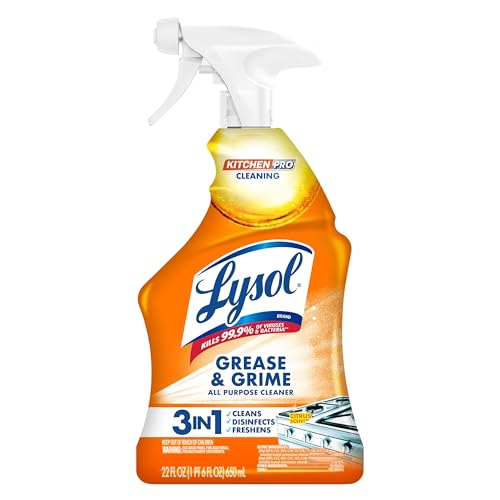
ELIMINATES 99.9% OF KITCHEN VIRUSES AND BACTERIA INCLUDNG SALMONELLA AND E.COLI: Lysol Pro Kitchen Cleaner is tested and proven to eliminate 99.9% of viruses and bacteria* (when used as directed). EPA Reg #777-91.

Complete Cleaning Kit for Effortless Cabinet Care - Everything you need for spotless cabinets in one easy set. This kitchen cabinet cleaner kit includes a precision cleaning brush, and an 8 oz bottle with a calibrated spray top for even coverage. The cabinet cleaner for wood offers a smooth application, while the long-lasting cabinet cleaner degreaser helps you keep your cabinets looking cared for day after day.
Routine Cleaning Practices
- Wipe Down Daily: Use a damp microfiber cloth to wipe cabinet surfaces after cooking. This prevents grease from hardening.
- Use a Dish Soap Solution: Mix warm water with a few drops of grease-cutting dish soap. Wipe cabinets with this solution weekly to keep them fresh.
- Clean Spills Immediately: Address any spills promptly. A quick clean stops stains and buildup before they develop into a bigger problem.
Proper Cooking Habits
- Ventilate While Cooking: Turn on exhaust fans or open windows to decrease steam and grease in the kitchen. Good airflow helps prevent greasy surfaces.
- Cover Pots and Pans: Use lids when cooking, especially for frying. Covering reduces splatter and keeps your cabinets cleaner.
- Use Backburners: Whenever possible, cook on back burners. This helps contain grease away from the cabinet doors, reducing exposure.
Adopting these habits ensures a cleaner kitchen environment. It makes the cleaning process easier and keeps your cabinets looking their best.
Conclusion
Keeping your kitchen cabinets clean doesn’t have to be a daunting task. With a little effort and the right techniques you can easily tackle that greasy buildup and restore your cabinets to their former glory.
Remember that regular maintenance is key to preventing dirt and grime from accumulating. By adopting simple daily and weekly cleaning habits you’ll not only save time but also keep your kitchen looking fresh and inviting.
So roll up your sleeves and get started. Your cabinets will thank you for the care and attention you give them. Happy cleaning!
Frequently Asked Questions
How do kitchen cabinets get greasy?
Kitchen cabinets collect grease from various sources, including cooking, spills, heat, and poor ventilation. Frequent cooking releases oil and steam that can settle on surfaces, while spills that aren’t cleaned up promptly can lead to grime buildup.
What are the effects of grease on cabinets?
Grease buildup can attract dirt, damage cabinet finishes, pose health hazards, and decrease the longevity of the cabinets. Regular maintenance is essential to prevent these issues and keep your cabinets looking fresh.
What supplies do I need to clean greasy kitchen cabinets?
To clean greasy kitchen cabinets, gather grease-cutting dish soap, white vinegar, baking soda, microfiber cloths, a soft-bristled brush, and a spray bottle. Don’t forget protective gear like gloves, a mask, and eye protection for safety.
What is the best way to clean kitchen cabinets?
Start by preparing your area and clearing countertops. Mix a solution of white vinegar and water, apply it to the cabinets, and let it sit. Scrub with a soft brush, wipe with a microfiber cloth, rinse with a damp cloth, and dry thoroughly.
How can I prevent grease buildup on my cabinets?
To prevent grease buildup, practice routine cleaning like daily wipe-downs with a damp microfiber cloth and weekly soapy cleanings. Also, use proper cooking habits, such as ventilating the area and covering pots to minimize grease exposure.
