
Key Takeaways
- Understanding Laminate Cupboards: Laminate kitchen cupboards are budget-friendly, stylish, and easy to maintain, making them a popular choice for modern kitchens.
- Effective Cleaning Solutions: Use mild dish soap, white vinegar, and baking soda for cleaning; avoid abrasive cleaners to prevent damage.
- Essential Tools: Gather microfiber cloths, non-abrasive sponges, a soft-bristled brush, and a spray bottle to clean effectively and safely.
- Step-by-Step Process: Start by clearing the area, prepare your cleaning solution, wipe down surfaces from top to bottom, rinse, and dry thoroughly to prevent streaks.
- Preventative Maintenance: Regularly wipe surfaces, handle spills immediately, use door handles, and apply a protective finish to keep cupboards looking new.
- Long-term Care: Inspect hinges for tightness and maintain ventilation to reduce grease build-up, prolonging the life and aesthetics of your laminate cupboards.
Are your laminate kitchen cupboards looking a bit dull and grimy? You’re not alone. Many people struggle with keeping their kitchen cabinets clean, especially when it comes to those stubborn stains and fingerprints that seem to appear out of nowhere.
Overview of Laminate Kitchen Cupboards
Laminate kitchen cupboards offer a practical and stylish solution for many kitchens. These cupboards consist of a particleboard or MDF core covered with a thin layer of laminated plastic. This outer layer provides durability and a wide range of design options, making it popular for modern kitchens.
Advantages of Laminate Cupboards
- Affordability: Laminate cupboards typically cost less than solid wood options, making them budget-friendly.
- Variety: You can find laminate finishes that mimic wood grain, solid colors, or even chic designs.
- Easy Maintenance: Cleaning laminate cupboards requires minimal effort, ideal for busy kitchens.
Disadvantages of Laminate Cupboards
- Susceptibility to Damage: Laminate can chip or scratch more easily than wood if mishandled.
- Heat Sensitivity: High temperatures can damage the laminate; avoid placing hot items directly on the surface.
- Limited Refinishing Options: Unlike wood, laminate cannot be sanded or stained if it becomes scratched or worn.
Cleaning Considerations
When cleaning laminate kitchen cupboards, it’s essential to choose the right cleaning products. Mild, non-abrasive cleaners work best, as harsh chemicals or abrasive scrubbers can cause damage. Regular cleaning prevents a build-up of grime, keeping your cupboards looking fresh for longer.
By understanding the characteristics of laminate kitchen cupboards, you can choose the best approaches for maintenance and cleaning. This knowledge helps maintain their appearance and extends their lifespan, making your kitchen a welcoming space.
Essential Cleaning Supplies
Cleaning laminate kitchen cupboards requires specific supplies to achieve the best results. Gather the right materials to make your cleaning process efficient and effective.
Recommended Products

40 YEARS OF FINISHING EXPERTISE – Created by second-generation kitchen specialists who understand the science of wood finishes. Our professional kitchen cabinet cleaner is specially designed as a safe wood cabinet cleaner that protects finishes while cleaning.
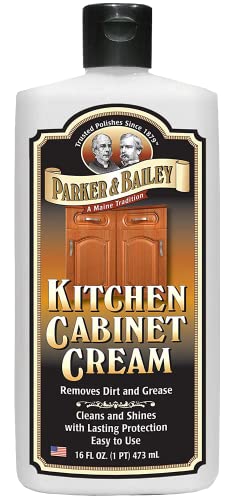
Kitchen Cabinet Creme cleans, restores and removes grease or food stains off your kitchen cabinets
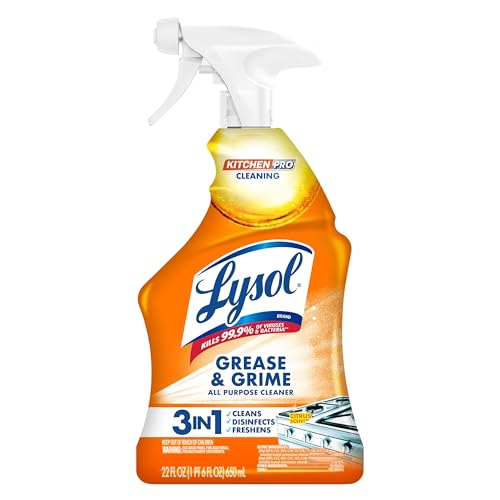
ELIMINATES 99.9% OF KITCHEN VIRUSES AND BACTERIA INCLUDNG SALMONELLA AND E.COLI: Lysol Pro Kitchen Cleaner is tested and proven to eliminate 99.9% of viruses and bacteria* (when used as directed). EPA Reg #777-91.
Recommended Cleaners
- Mild Dish Soap: Mix a few drops of dish soap with warm water. This solution is safe for laminate surfaces and effective for regular cleaning.
- White Vinegar: Combine equal parts of white vinegar and water in a spray bottle. This natural cleaner cuts through grease and eliminates odors without damaging the laminate.
- Baking Soda: Create a paste using baking soda and a small amount of water. Use this for tackling stubborn stains or scuff marks.
- Non-Abrasive Multi-Surface Cleaners: Look for products labeled safe for laminate surfaces. These cleaners help maintain shine without scratching.
Tools You’ll Need
- Microfiber Cloths: Use soft, absorbent microfiber cloths for wiping and drying surfaces. They prevent scratching while effectively trapping dirt and debris.
- Sponge: Opt for a non-abrasive sponge for scrubbing when needed. Avoid steel wool or harsh scouring pads, as they can damage the laminate.
- Soft-Bristled Brush: A toothbrush or a similar brush helps reach corners and crevices. It’s perfect for getting into tight spots without scratching.
- Spray Bottle: Keep a spray bottle handy for easy application of cleaning solutions, especially homemade mixes.
- Bucket: Use a bucket to mix larger quantities of your cleaning solution for bigger cleaning jobs.
By collecting these recommended cleaners and tools, you’ll efficiently clean and maintain your laminate kitchen cupboards, keeping them looking their best.
Step-by-Step Cleaning Process
To clean laminate kitchen cupboards effectively, follow this step-by-step process for a sparkling finish.
Preparing the Area
- Clear the countertops. Remove all items from the surfaces and cupboards.
- Protect the floor. Lay down old towels or a drop cloth to catch any spills.
- Gather supplies. Have your cleaning solutions, microfiber cloths, non-abrasive sponges, and soft brushes within reach.
Cleaning the Cupboards
- Mix cleaning solution. Combine mild dish soap with warm water in a bucket or spray bottle. For grease, use a vinegar-water solution (1:1 ratio).
- Wipe down surfaces. Dampen a cloth with the cleaning solution and gently wipe the cupboards, starting from the top and working downward to avoid streaks.
- Address stains. For stubborn marks, apply a baking soda paste directly on the stains and let it sit for 10-15 minutes before gently scrubbing.
- Rinse off residue. Use a clean, damp cloth to wipe away any soap or cleaner residue and prevent buildup.
Drying and Finishing Touches
- Dry the cupboards. Use a soft, dry microfiber cloth to wipe down surfaces completely, preventing water spots.
- Inspect for streaks. Check for any remaining marks or streaks and buff them out with a clean cloth.
- Replace items thoughtfully. Once dry, return items to the cupboards, wiping down each one before placing it back for a thorough clean.
By following these steps, you maintain the appearance and longevity of your laminate kitchen cupboards, keeping your kitchen looking fresh and inviting.
Preventative Maintenance Tips
Preventing dirt and grime build-up on your laminate kitchen cupboards keeps them looking fresh and new. Follow these simple tips for ongoing maintenance:
- Wipe Surfaces Regularly
Use a soft microfiber cloth to wipe down your cupboards every few days. This practice removes dust and prevents stains.
- Handle Food Spills Quickly
Address spills immediately. Use a mild dish soap solution to clean up food and grease right away. This stops residues from setting in.
- Avoid Abrasive Cleaners
Stick to non-abrasive cleaners. Products with harsh chemicals can damage the laminate finish. Always check labels for suitability on laminate surfaces.
- Limit Moisture Exposure
Keep water and moisture at bay. Wipe up excess water after cleaning, and avoid soaking your cupboards to maintain their integrity.
- Use Door Handles
Open doors using handles, not the edges. This practice prevents fingerprints and oils from transferring onto the cabinet surfaces.
- Keep Cooking Areas Well Ventilated
Improve airflow during cooking. Ventilation reduces grease build-up on cupboards and minimizes the need for heavy cleaning.
- Apply a Protective Finish
Consider using a laminate-safe polish occasionally. This added layer helps repel dirt and makes cleaning easier.
- Inspect and Tighten Hinges
Check hinges regularly for looseness. Tightening them keeps doors aligned, preventing unnecessary rubbing and wear on the laminate.
By implementing these preventative maintenance tips, you can keep your laminate kitchen cupboards looking vibrant while extending their lifespan.
Recommended Products

CABINET & FURNITURE CLEANER: Removes dirt, grime & grease buildup

Complete Cleaning Kit for Effortless Cabinet Care - Everything you need for spotless cabinets in one easy set. This kitchen cabinet cleaner kit includes a precision cleaning brush, and an 8 oz bottle with a calibrated spray top for even coverage. The cabinet cleaner for wood offers a smooth application, while the long-lasting cabinet cleaner degreaser helps you keep your cabinets looking cared for day after day.

Wood Cabinet Cleaner - Parker & Bailey Kitchen Cabinet Cleaner has a safe, easy to use formula that gently works as a degreaser, spot cleaner and build-up remover. Rejuvenate cabinets to their original beauty and natural look
Conclusion
Keeping your laminate kitchen cupboards clean doesn’t have to be a daunting task. With the right supplies and a bit of effort, you can maintain their shine and charm. Regular cleaning and preventative maintenance will not only enhance their appearance but also extend their lifespan.
Remember to tackle spills promptly and avoid harsh cleaners that could cause damage. By following the simple steps outlined and incorporating these tips into your routine, you’ll create a welcoming kitchen space that you can be proud of. Enjoy your freshly cleaned cupboards and the inviting atmosphere they bring to your home!
Frequently Asked Questions
What are laminate kitchen cupboards?
Laminate kitchen cupboards are cabinets made with a laminated plastic exterior that offers a stylish and durable look. They’re popular due to their affordability and variety in design.
How can I effectively clean my laminate kitchen cupboards?
To clean laminate cupboards, use a mixture of mild dish soap and warm water for regular cleaning. For grease, a vinegar-water solution works well, and for stubborn stains, apply a baking soda paste.
What cleaning materials are safe for laminate cupboards?
Use mild, non-abrasive cleaners like dish soap, vinegar, and baking soda. Soft microfiber cloths and non-abrasive sponges are ideal tools to avoid damaging the laminate surface.
What maintenance tips can help prolong the life of my laminate cupboards?
Regularly wipe surfaces with a soft cloth, address spills immediately, avoid abrasive cleaners, and limit moisture exposure. Consider using a laminate-safe polish for extra protection.
Can I refinish laminate kitchen cupboards?
Laminate cupboards have limited refinishing options due to their material. Instead of refinishing, consider replacing them or applying a laminate-safe polish to refresh their appearance.
What should I do if my laminate cupboards have stubborn stains?
For stubborn stains, create a baking soda paste and gently rub it on the stain with a soft cloth. Rinse thoroughly afterwards to avoid residue buildup.
How often should I clean my laminate kitchen cupboards?
Aim to clean your laminate cupboards every few weeks for regular maintenance. Address spills and stains immediately to keep them looking fresh year-round.
Are laminate cupboards heat sensitive?
Yes, laminate cupboards can be sensitive to heat. Avoid placing hot cookware directly on the surface, as this can cause warping or damage to the laminate.
