
Key Takeaways
- Recognize Symptoms: Be aware of dull finishes, sticky residues, and discoloration as signs of grease buildup on painted kitchen cabinets.
- Understand Common Causes: Identify cooking techniques, poor ventilation, and lack of routine cleaning as main contributors to grease accumulation.
- Implement Regular Maintenance: Wiping down surfaces, choosing suitable cleaning solutions, and ensuring proper ventilation can significantly reduce grease buildup.
- Utilize Effective Cleaning Tools: Use non-abrasive sponges, microfiber cloths, and appropriate cleaning solutions to avoid damaging cabinet surfaces during the cleaning process.
- Follow a Step-by-Step Cleaning Guide: Prepare the area, apply cleaning solutions evenly, scrub gently, and thoroughly rinse and dry to achieve optimal results.
- Adopt Preventive Strategies: Cover pans while cooking, use exhaust fans, and select grease-resistant or washable paints to minimize future grease buildup and maintain cabinet aesthetics.
Are your kitchen cabinets looking a bit grimy from all that cooking? You’re not alone. Greasy residue can build up over time, making even the most beautiful cabinets look dull and uninviting.
Understanding Greasy Painted Kitchen Cabinets
Greasy painted kitchen cabinets often stem from cooking and food preparation. Over time, oils, steam, and smoke build up on surfaces, creating a dull appearance. This residue not only affects aesthetics but can also harbor bacteria.
Symptoms of Greasy Cabinets
- Dull Finish: If the paint loses its sheen, grease may be present.
- Sticky Residue: Touching the cabinets reveals a tacky surface.
- Discoloration: Stains or yellowing indicate grease accumulation.
Common Causes
- Cooking Techniques: Frying, sautéing, and grilling splatter oils on surfaces.
- Poor Ventilation: Limited airflow increases grease settling on surfaces.
- Overlooking Cleaning: Neglecting routine maintenance enables buildup.
Grease Characteristics
Grease from cooking typically appears as a sticky, sometimes yellowish layer. Different cooking oils contribute to varied residues, making the cleaning process essential.
Regular Maintenance Tips
- Wipe Down: Use a damp cloth after cooking to reduce buildup.
- Choose Cleaner Wisely: Opt for gentle dish soap mixed with water for safe cleaning.
- Ventilate Properly: Use range hoods or open windows while cooking to minimize grease accumulation.
Understanding these aspects of greasy painted kitchen cabinets helps maintain their appearance and hygiene. By recognizing symptoms, causes, and implementing maintenance strategies, you can keep your kitchen cabinets looking fresh and inviting.
The Importance of Cleaning
Cleaning greasy painted kitchen cabinets matters for both hygiene and aesthetics. Regular cleaning promotes a fresher kitchen environment while preventing health risks associated with grease buildup.
Benefits of Regular Maintenance
- Eliminates Bacteria: Regular cleaning prevents harmful bacteria from thriving on cabinet surfaces. This is especially crucial in kitchens where food preparation occurs.
- Prolongs Cabinet Life: Keeping cabinets clean helps extend their lifespan. Grease can wear down paint and finishes, leading to costly repairs.
- Eases Removal of Stains: Routine maintenance makes it easier to remove stubborn grease stains. Tackling buildup early often requires less effort than dealing with heavy grime.
- Improves Air Quality: Maintaining cleanliness reduces lingering odors caused by cooking. You’ll enjoy a more pleasant kitchen atmosphere.
Impact on Kitchen Aesthetics
- Enhances Appearance: Clean cabinets enhance the overall look of your kitchen. Shiny, well-maintained cabinets reflect light and create an inviting space.
- Prevents Dullness: Regular cleaning prevents cabinets from looking dated or neglected. Consistent upkeep ensures they stay vibrant and appealing.
- Increases Home Value: A well-maintained kitchen with clean cabinets contributes to your home’s value. Potential buyers notice cleanliness and attention to detail.
- Creates a Welcoming Space: A fresh, clean kitchen atmosphere invites friends and family. You’ll feel more comfortable entertaining when your cabinets look great.
Tools and Materials Needed
Gather the right tools and materials for effectively cleaning greasy painted kitchen cabinets. This prepares you for a successful cleaning process.
Recommended Products

TOUGH ON GREASE: This range hood and stove cleaner cuts through food, grease and grime to help keep your kitchen clean and avoid dangerous flare-ups.

Heavy-Duty Degreaser Spray – 20oz Aerosol: Instantly removes grease, grime, oil, and tar from machinery, tools, and industrial components.
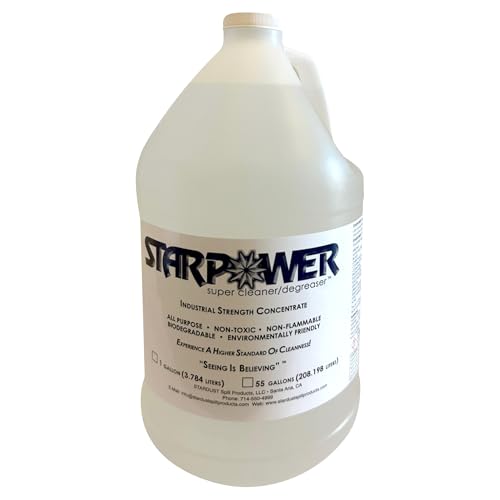
ULTIMATE MULTI-PURPOSE MULTI-SURFACE POWER: Simplify your routine with STARPOWER, the ultimate universal cleaner degreaser that replaces multiple cleaning supplies, tackling grease, dirt, stains, oil, and grime throughout your home or workplace
Cleaning Solutions
Use a variety of cleaning solutions to tackle grease effectively. Common options include:
- Dish soap: Mix a few drops of liquid dish soap with warm water.
- Baking soda: Create a paste with water to scrub stubborn spots.
- Vinegar: Mix equal parts water and vinegar for a natural disinfectant.
- Commercial degreasers: Choose non-toxic options that are safe for painted surfaces.
Scrubbing Tools
Select appropriate scrubbing tools that won’t damage the paint. Recommended tools include:
- Soft cloths: Use microfiber cloths for gentle wiping.
- Sponges: Opt for non-abrasive sponges to avoid scratches.
- Soft-bristle brushes: Employ brushes for crevices and intricate designs.
Protective Gear
- Gloves: Use rubber or latex gloves to protect your skin from cleaners.
- Mask: Wear a mask if using strong chemicals to avoid inhalation.
- Goggles: Protect your eyes from splashes or harsh cleaners.
Step-by-Step Guide to Cleaning
Cleaning greasy painted kitchen cabinets requires a few essential steps for effective results. Follow this guide for a cleaner and more inviting kitchen.
Preparing the Area
Clear the countertop and remove any items near the cabinets. Lay down towels or old sheets to catch any drips or spills. Ensure proper ventilation by opening windows or turning on exhaust fans. Gather all necessary tools and materials, such as cleaning solutions, microfiber cloths, and non-abrasive sponges, so you’re ready to start.
Applying the Cleaning Solution
Mix your chosen cleaning solution, like a dish soap and warm water combination or a vinegar-water solution. Use a spray bottle for easy application. Spray the solution directly onto the cabinet surfaces, starting from the top and working your way down. This method prevents dirty runoff from settling on already cleaned areas. Allow the solution to sit for a few minutes to help break down the grease.
Scrubbing Techniques
Use a non-abrasive sponge or soft-bristle brush for scrubbing. Start with gentle pressure, focusing on areas with heavy grease buildup. Clean in circular motions to lift the grease effectively. For stubborn spots, create a paste using baking soda and water, applying it directly to the stain. Let it sit for a couple of minutes, then scrub gently.
Rinsing and Drying
Dampen a clean cloth with plain water and wipe down the cabinets to remove any soap or cleaning solution residue. This step is crucial to prevent sticky spots from forming. Use a separate dry cloth to thoroughly dry the cabinets. Make sure to get into corners and crevices, ensuring no moisture remains. Proper drying helps maintain the integrity of the paint and keeps your cabinets looking their best.
Tips for Preventing Grease Buildup
Preventing grease buildup on kitchen cabinets involves consistent maintenance and strategic choices in your cooking space. Here are key tips to keep your cabinets clean and grease-free.
Recommended Products

40 YEARS OF FINISHING EXPERTISE – Created by second-generation kitchen specialists who understand the science of wood finishes. Our professional kitchen cabinet cleaner is specially designed as a safe wood cabinet cleaner that protects finishes while cleaning.

#1 Most effective Heavy-Duty Degreaser – This Heavy Duty formula breaks down stubborn grease and grime for a deep clean in seconds!
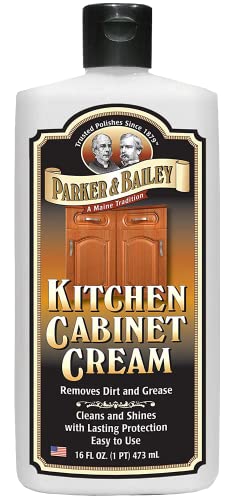
Kitchen Cabinet Creme cleans, restores and removes grease or food stains off your kitchen cabinets
Cooking Habits
- Cover pans while cooking. Using lids minimizes splatter from oils and sauces.
- Opt for lower heat settings. High heat generates more smoke and grease, so cooking on low to medium heat helps reduce residue.
- Use exhaust fans during cooking. Turn on your kitchen vent to remove steam and odors. Ensure it’s functioning properly for maximum effectiveness.
- Clean spills immediately. Wipe up any splatters right away to prevent grease from settling on surfaces.
- Choose non-stick cookware. Non-stick pans require less oil, reducing the amount of grease released into the air.
Choosing the Right Paint
- Select grease-resistant finishes. Satin or semi-gloss paints resist grease better than flat finishes, making cleanup easier.
- Use washable paint. Paints labeled as washable allow for scrubbing without damaging the surface.
- Consider purpose-designed kitchen paints. Specialized paints often contain properties that combat stains and grease, enhancing durability.
- Test samples before full application. Apply a small area with the chosen paint to observe its performance against grease buildup over time.
By following these tips, you can help maintain the beauty and hygiene of your painted kitchen cabinets.
Conclusion
Cleaning greasy painted kitchen cabinets doesn’t have to be a daunting task. With the right approach and consistent maintenance, you can keep your cabinets looking fresh and inviting. Remember to use gentle cleaners and tools that won’t damage the paint, and always prioritize safety when working with stronger solutions.
By adopting simple habits like wiping down surfaces after cooking and using protective finishes, you’ll not only enhance your kitchen’s appearance but also create a healthier environment. A little effort goes a long way in maintaining the beauty and longevity of your cabinets. So grab your cleaning supplies and give your kitchen the care it deserves. You’ll love the difference it makes!
Frequently Asked Questions
How do kitchen cabinets become greasy?
Greasy cabinets typically become grimy due to cooking activities, where oils, steam, and smoke accumulate over time. This residue can dull the finish and make cabinets look uninviting, impacting the kitchen’s overall appearance.
What are the symptoms of greasy kitchen cabinets?
Symptoms include a dull finish, sticky residue, discoloration, or a yellowish layer caused by different cooking oils and neglecting routine cleaning. These signs indicate the need for immediate cleaning.
Why is it important to clean greasy kitchen cabinets?
Regular cleaning of greasy cabinets is crucial for hygiene and aesthetics. It prevents health risks from bacteria buildup, enhances the kitchen’s look, and prolongs the life of the cabinets.
What tools are needed for cleaning greasy cabinets?
Essential tools include microfiber cloths, sponges, dish soap, vinegar, baking soda, and protective gear like gloves. These items help effectively remove grease without damaging painted surfaces.
How can I prevent grease buildup on my cabinets?
Prevent grease buildup by covering pans while cooking, using exhaust fans, cleaning spills immediately, and opting for non-stick cookware. Regular maintenance is key to keeping cabinets clean.
