
Key Takeaways
- Identify Cabinet Type and Finish: Understanding whether your cabinets are wood, laminate, or metal, as well as their specific finish, helps choose the best cleaning and polishing methods.
- Gather Essential Supplies: Ensure you have the right cleaning products like mild dish soap, vinegar, and microfiber cloths, as well as suitable polishing agents such as furniture polish or beeswax.
- Follow a Cleaning Routine: Regularly clean your cabinets with a gentle solution to prevent grease buildup and stains, focusing on high-traffic areas for optimal results.
- Use Proper Polishing Techniques: Apply polish sparingly using a damp cloth and buff with a separate dry cloth to achieve a smooth and shiny finish, enhancing the cabinets’ appearance.
- Implement Maintenance Tips: Wipe down cabinets weekly, spot clean spills promptly, and polish them monthly to maintain their luster and prolong their lifespan.
- Inspect and Handle Cabinets Carefully: Regularly check for wear and use gentle pressure when handling cabinet doors to prevent damage over time.
Do your kitchen cabinets look dull and worn? You’re not alone. Over time, grease and grime can build up, making even the most beautiful cabinets lose their shine. But don’t worry; you can bring them back to life with just a little effort and the right techniques.
Understanding Kitchen Cabinets
Kitchen cabinets come in various styles and materials. Identifying the type of cabinet you have helps determine the best cleaning and polishing methods.
Types of Kitchen Cabinets
- Wood Cabinets: Often durable, they require specific care based on their finish.
- Laminate Cabinets: These affordable options are easy to clean and resist stains.
- Metal Cabinets: Common in modern designs, they need gentle cleaning to avoid scratches.
Cabinet Finishes
- Painted Finishes: Vulnerable to scratches, heavily soiled areas might need extra attention.
- Stained Wood Finishes: Show wear easily but can be rejuvenated with the right products.
- Varnish Finishes: Durable but may lose shine. Polishing can restore luster.
Common Issues
- Grease Buildup: Often accumulates near the stove, making cleaning essential.
- Stains: Can come from spills, resulting in discoloration if untouched.
- Scratches: Particularly noticeable on wood and painted finishes, may require touch-up paint.
Knowing your cabinet type and finish helps in choosing the appropriate cleaning solutions. Regular maintenance prevents buildup and keeps cabinets looking fresh.
Necessary Supplies
You need specific supplies to clean and polish kitchen cabinets effectively. Gather the following items to ensure a smooth process.
Recommended Products

PROTECTS, SHINES, & CLEANS: Achieve a sparkling, polished look on any surface you use it on. Jubilee Kitchen Wax is an easy-to-use liquid furniture wax that not only cleans but also protects and shines appliances, laminate countertops, ceramic tile, enamel, and wood surfaces.

Guards against water marks, drying, fading, cracking and discoloration from UV exposure; cleans dirt and grime and conceals fine surface scratches leaving a natural luster and shine

Easily repair light damage to wooden floors such as laminate, hardwood, etc.
Cleaning Products
- Mild Dish Soap: Use this for everyday grime removal. Mix it with warm water in a bucket.
- Vinegar: This natural cleaner cuts through grease. Mix equal parts vinegar and water for an excellent solution.
- Baking Soda: For tougher stains, create a paste with baking soda and water. Apply it gently to avoid scratching surfaces.
- Microfiber Cloths: These cloths trap dust and dirt without leaving lint behind.
- Non-Abrasive Sponge: Choose a sponge without scrubbing pads to prevent damage to finishes.
Polishing Agents
- Furniture Polish: Opt for a silicone-based polish for a shiny finish. Apply directly to a clean cloth, then buff the cabinets.
- Beeswax: This natural option provides a protective layer and a smooth shine. Use it sparingly on wood cabinets.
- Olive Oil: This common kitchen item rejuvenates wooden surfaces. Mix with vinegar for added cleaning benefits.
- Commercial Cabinet Polish: Available in spray bottles, this option offers convenience. Follow the product instructions for best results.
Collecting these supplies simplifies the cleaning and polishing process, ensuring your kitchen cabinets regain their shine.
Step-by-Step Cleaning Process
Cleaning and polishing kitchen cabinets involves a few straightforward steps. Follow these steps for optimal results.
Recommended Products
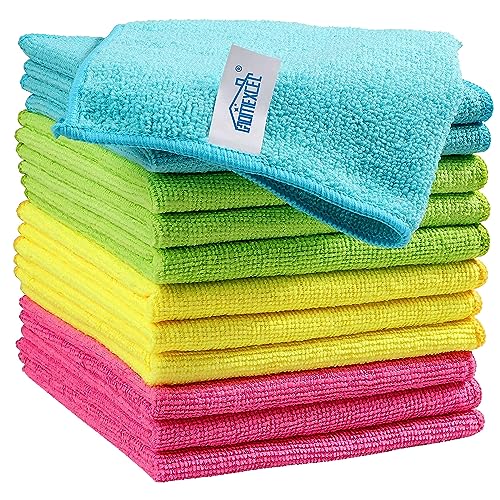
Effective Streak-Free Cleaning: Clean kitchen countertops, windows, mirrors, bathroom surfaces, stainless steel, car interiors, glass, and other delicate surfaces with just water or your favorite cleaner—these microfiber cloths deliver streak-free, neat results with minimal effort, making daily cleanup fast and simple

Microfiber 16 x 12-inch cleaning cloth (24-pack); ideal for cleaning cars, trucks, boats, and more

ULTRA SOFT MATERIAL & SCRATCH FREE - Ultra soft and highly absorbent microfiber cleaning cloths, great for cleaning windows, kitchenware, car or other delicate surfaces.
Preparing the Area
- Clear Surfaces: Remove items from countertops and cabinets. This creates a clean workspace.
- Protect Surroundings: Place towels or drop cloths beneath cabinets. This captures drips and spills during cleaning.
- Ventilate the Space: Open windows or turn on exhaust fans. Good airflow helps eliminate odors from cleaning products.
Cleaning Techniques
- Mix Cleaning Solution: Combine 1 cup of mild dish soap with 1 gallon of warm water. This creates an effective yet gentle cleaner.
- Wipe Surfaces: Use a microfiber cloth or non-abrasive sponge. Dampen it in the cleaning solution and wipe cabinet surfaces.
- Focus on Grime: Apply extra pressure on areas with grease buildup. Allow the solution to sit for a minute for tough stains.
- Rinse Thoroughly: Dampen another cloth with clean water and wipe down surfaces. This removes any soap residue.
- Dry Immediately: Use a dry microfiber cloth to prevent water spots. Ensure all areas are completely dry.
By following these steps, you can keep your kitchen cabinets clean and maintain their appearance over time.
Step-by-Step Polishing Process
Restoring shine to your kitchen cabinets requires careful application of polish and buffing to achieve a smooth finish. Follow these steps for effective polishing.
Recommended Products

Restore Aged Wood And Natural Warmth: This beeswax furniture polish helps restore the look of wood surfaces, revive dull surfaces, and bring faded furniture back to life. Rich natural beeswax and conditioning oils enhance wood grain depth, reveal natural character, and restore warmth and elegance to furniture, cabinets, and wood decor
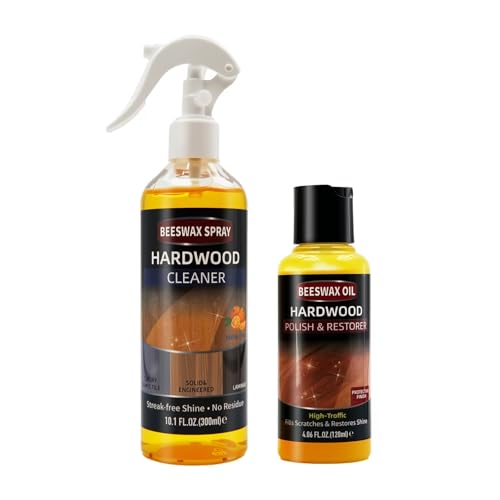
【Wood Cleaner】 Experience a deep clean formulated specifically for wood. Our beeswax wood polish and cleaner powerfully dissolves years of built-up wax, grime, and old polish that all-purpose cleaners can't touch. It penetrates the wood grain to lift dirt from within, restoring the surface without damaging its natural integrity.

Beeswax spray wood polish & repair, wood cleaner applicable cabinets tables floor all wood furniture,leaving your furniture polish refreshed
Applying Polish
- Choose the Right Polish: Select a polish suitable for your cabinet’s finish. For wood cabinets, use beeswax or olive oil. For painted or laminate finishes, opt for commercial cabinet polish.
- Prepare the Cloth: Dampen a microfiber cloth slightly before applying polish. This prevents over-saturation and protects the surface.
- Apply Polish Sparingly: Pour a small amount of polish onto the cloth. Start with a little; you can always add more if needed.
- Work in Sections: Focus on one cabinet door or section at a time. This approach prevents the polish from drying before you buff it.
- Use Gentle Strokes: Rub the polish onto the surface using circular motions. Ensure even coverage, and pay attention to corners and edges.
Buffing and Finishing
- Allow Polish to Set: After applying the polish, let it sit for a few minutes. This allows the product to penetrate and form a protective layer.
- Buff with a Clean Cloth: Use a separate, dry microfiber cloth to buff the surface. Employ a gentle, circular motion to bring out the shine.
- Check for Residue: Ensure there’s no excess polish left. Remove any leftover product, as it can attract dust and grime.
- Finishing Touches: If desired, repeat the process for a more pronounced shine. Two thin layers generally provide better results than one thick layer.
- Regular Maintenance: Incorporate polishing into your cleaning routine every few months to maintain the longevity and appearance of your cabinets.
By following these steps, you can easily enhance the look of your kitchen cabinets, ensuring they remain a beautiful focal point in your home.
Tips for Maintaining Clean Cabinets
- Clean regularly. Wipe down your cabinets weekly to prevent grease and grime buildup. Use a gentle cleaning solution made of warm water and mild dish soap.
- Spot clean stains. Address spills or stains immediately. Damp a cloth with soapy water and gently rub the affected area. Rinse with clean water and dry thoroughly.
- Use the right tools. Choose non-abrasive sponges and microfiber cloths for cleaning. These tools won’t scratch surfaces and effectively trap dirt.
- Avoid harsh chemicals. Stay away from ammonia-based cleaners that can damage finishes. Stick to natural solutions like vinegar or baking soda for tough stains.
- Polish monthly. Apply polish regularly to maintain shine. Use a soft cloth with your chosen cabinet polish, working in circular movements.
- Check for wear. Inspect cabinets every few months for signs of wear, such as scratches or damaged finishes. Treat these issues early to avoid larger problems.
- Handle with care. When opening cabinets, use gentle pressure. Slamming doors can cause wear over time.
- Control humidity. Keep humidity low in your kitchen. Excess moisture can warp wood cabinets. Use exhaust fans when cooking.
By incorporating these tips into your routine, you maintain your cabinets’ beauty and extend their lifespan.
Conclusion
With a little time and the right approach you can bring the shine back to your kitchen cabinets. Regular cleaning and polishing not only enhance their appearance but also extend their lifespan. By knowing the type of cabinets you have and using the appropriate products you can tackle any grime or stains with ease.
Remember to make cleaning a part of your routine and don’t hesitate to spot clean when necessary. Your kitchen deserves to be a welcoming space and well-maintained cabinets play a key role in that. Enjoy the process and take pride in the beautiful results you achieve. Happy cleaning!
Frequently Asked Questions
How do I know what type of kitchen cabinets I have?
Understanding your kitchen cabinets involves identifying the material—wood, laminate, or metal. Each type has unique features and care requirements. Check the cabinet’s surface texture and weight to help determine its material, or consult any product documentation you have.
What causes kitchen cabinets to look dull?
Kitchen cabinets can appear dull due to dirt, grease, and grime buildup over time. Regular cooking can lead to residue settling on surfaces, making them look worn. This issue is common, but it can be resolved with proper cleaning and maintenance techniques.
How can I clean my kitchen cabinets effectively?
To clean your kitchen cabinets, start by gathering supplies like mild dish soap, vinegar, and non-abrasive sponges. Mix a gentle cleaning solution, wipe down surfaces with a microfiber cloth, and focus on greasy areas. Rinse and dry immediately to avoid water spots.
What are the best products for polishing kitchen cabinets?
Recommended polishing products include furniture polish, olive oil, beeswax, or commercial cabinet polish. Choose the right product based on the cabinet’s finish. Apply the polish using a damp microfiber cloth, working in sections for an even shine.
How often should I clean and polish my kitchen cabinets?
Regular cleaning should be done at least once a month, while polishing is recommended monthly to maintain shine and protect against wear. Spot clean stains as needed and adjust frequency based on your kitchen’s cooking activity to keep cabinets looking their best.
Can I use harsh chemicals to clean my cabinets?
It’s best to avoid harsh chemicals on kitchen cabinets, as they can damage finishes. Instead, opt for mild, natural cleaning solutions like vinegar or baking soda for tough stains. These alternatives are effective yet gentle on the surfaces.
How can I prevent my kitchen cabinets from warping?
To prevent warping, control humidity levels in your kitchen, especially for wood cabinets. Use a dehumidifier if necessary and ensure proper ventilation. Avoid exposing cabinets to direct heat sources, as this can cause materials to expand or contract unevenly.
