
Key Takeaways
- Understanding Grease Accumulation: Grease stains on painted kitchen walls can arise from common cooking methods such as frying, boiling, grilling indoors, and appliance use.
- Importance of Regular Cleaning: Establishing a routine cleaning schedule not only enhances air quality and aesthetic appeal but also simplifies maintenance by preventing heavy grease buildup.
- Preparation for Cleaning: Gather necessary supplies such as soft cloths, sponges, cleaning solutions, and protective gear while ensuring surrounding areas are safeguarded before starting the cleaning process.
- Effective Cleaning Techniques: Utilize solutions like dish soap and water, vinegar and baking soda, or non-abrasive commercial cleaners to effectively remove grease without damaging paint.
- Step-by-Step Cleaning Guide: Follow a systematic approach—prepare cleaning solutions, apply them from the top down, rinse thoroughly, and ensure proper drying to achieve optimal results.
- Preventive Measures: Adopt daily and weekly maintenance practices, ensure kitchen ventilation, and use healthier cooking methods to minimize future grease buildup on painted surfaces.
Ever walked into your kitchen and noticed those stubborn grease stains on the walls? You’re not alone. Cooking can leave your painted walls looking less than pristine, and it’s frustrating when regular cleaning just doesn’t cut it.
Understanding The Problem
Grease stains on painted kitchen walls create an unsightly issue. Various factors contribute to this buildup, which requires timely attention.
Common Causes Of Grease Buildup
Cooking methods often lead to grease accumulation. Here are some typical sources:
- Frying foods: Frying releases oil vapors that settle on surfaces.
- Boiling liquids: Steam carries grease particles upward, causing walls to attract them.
- Grilling indoors: Indoor grilling produces smoke that sticks to walls.
- Using appliances: Appliances such as toasters or ovens release splatters and grease.
Understanding these causes can help in devising cleaning strategies.
The Importance Of Regular Cleaning
Regular cleaning prevents grease buildup and maintains a fresh environment. Key benefits include:
- Improved air quality: Less grease means fewer odors and allergens.
- Aesthetic appeal: Clean walls enhance your kitchen’s visual appeal.
- Easier maintenance: Regular cleaning requires less effort compared to tackling heavy accumulations.
Establish a cleaning routine to prevent grease from becoming a persistent problem.
Preparation For Cleaning
Before tackling grease stains on painted kitchen walls, preparation is essential for effective results. You’ll ensure a smoother cleaning process by gathering supplies and safeguarding surrounding areas.
Recommended Products
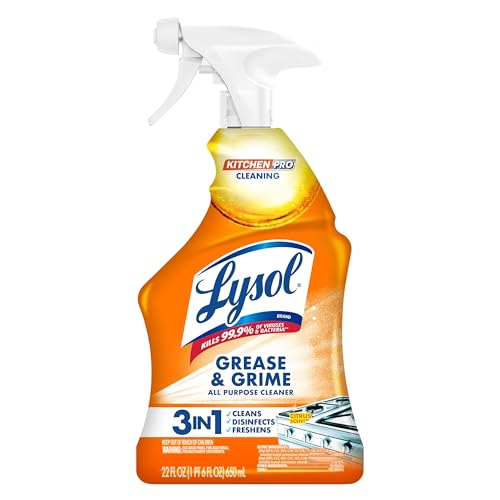
ELIMINATES 99.9% OF KITCHEN VIRUSES AND BACTERIA INCLUDNG SALMONELLA AND E.COLI: Lysol Pro Kitchen Cleaner is tested and proven to eliminate 99.9% of viruses and bacteria* (when used as directed). EPA Reg #777-91.
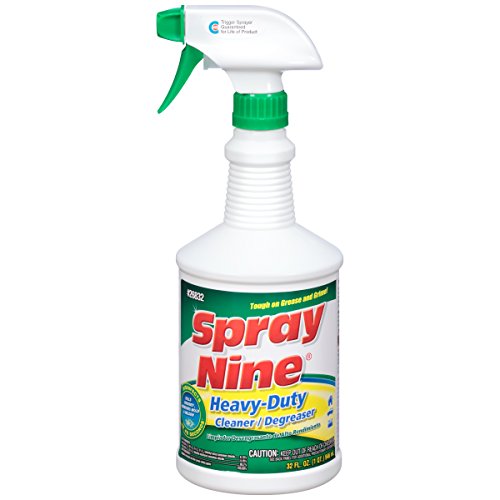
Triple Action Power: Professional-strength cleaner, degreaser, and disinfectant in one. Ideal for cleaning tools, tires, vinyl, stainless steel, engines, plastic, rubber, and more—this product powers through tough soils fast.

#1 Most effective Heavy-Duty Degreaser – This Heavy Duty formula breaks down stubborn grease and grime for a deep clean in seconds!
Gathering Necessary Supplies
- Soft Cloths: Use microfiber cloths to prevent scratches on the paint.
- Sponges: Use non-abrasive sponges for scrubbing without damaging the finish.
- Cleaning Solutions: Select a degreaser, dish soap, or a mixture of vinegar and water for safe cleaning.
- Bucket: A bucket holds cleaning solutions and water for easy access.
- Spray Bottle: Use a spray bottle for even application of your cleaning solution.
- Floor Protector: Use old towels or plastic sheeting to protect the floor from drips.
Protecting Surrounding Areas
- Remove Items: Clear countertops, utensils, or decor from the vicinity to prevent damage.
- Cover Surfaces: Use drop cloths or plastic sheets to shield nearby surfaces from splashes.
- Turn Off Electronics: Ensure that appliances are turned off and unplugged to avoid accidents.
- Ventilate the Area: Open windows or use a fan to ensure proper airflow, particularly if using strong cleaning solutions.
- Wear Protective Gear: Consider wearing gloves and goggles, particularly when using commercial cleaners.
Taking these preparation steps sets you up for success and minimizes the chances of damaging your walls or surrounding areas.
Effective Cleaning Methods
Cleaning grease off painted kitchen walls can be straightforward with the right methods. Here are some effective techniques you can use.
Using Dish Soap Solution
- Mix the Solution: Combine two tablespoons of dish soap with a quart of warm water in a bucket.
- Apply the Mixture: Dip a microfiber cloth or sponge into the solution, then wring it out to avoid excess water.
- Wipe the Walls: Gently scrub the grease-stained areas using circular motions. Rinse the cloth frequently to remove grease buildup.
- Rinse Well: After cleaning, use a separate cloth dampened with clean water to wipe away any soapy residue, preventing streaking.
Exploring Vinegar and Baking Soda
- Create the Paste: Mix one part baking soda with two parts vinegar. The mixture will fizz upon combining.
- Apply the Paste: Use a sponge to dab the paste onto the greasy areas. Let it sit for about 10-15 minutes; this allows the mixture to break down the grease.
- Scrub Gently: Use a non-abrasive sponge to scrub the area lightly. The fizzing action helps lift the grease.
- Rinse Thoroughly: Wipe the area with a damp cloth to remove any residue of the paste.
Commercial Cleaner Options
- Choose the Right Cleaner: Look for non-abrasive, grease-fighting cleaners designed for painted surfaces. Brands like Krud Kutter or Simple Green offer effective solutions.
- Follow Directions: Read the product instructions carefully to ensure proper use. Apply the cleaner directly to the grease stains or onto a cloth.
- Scrub as Needed: Gently scrub the stain with a cloth or sponge, letting the cleaner do the work for tough spots.
- Rinse Off: After cleaning, use a damp cloth to remove any remaining cleaner residue to avoid potential wall damage.
These methods can help you effectively remove grease stains from your painted kitchen walls, maintaining the appearance and cleanliness of your space.
Step-By-Step Cleaning Guide
Follow these steps for effective grease removal from painted kitchen walls.
Preparing The Cleaning Solution
- Choose the right solution. For light grease, mix one tablespoon of dish soap with one cup of warm water. For tougher stains, create a paste using two tablespoons of baking soda and one tablespoon of vinegar.
- Combine ingredients. If using the dish soap solution, stir it in a bucket until bubbles form. For the baking soda paste, blend the two ingredients until smooth.
- Transfer to a spray bottle (optional). Pour the dish soap solution into a spray bottle for easy application.
Application Techniques
- Start from the top. Begin cleaning at the top of the wall. This prevents dirty water from dripping onto clean areas.
- Use a microfiber cloth or sponge. Dip the cloth or sponge into the solution, wring out excess liquid, and gently scrub the grease stains in circular motions.
- Apply additional solution as necessary. For stubborn spots, let the solution sit for a few minutes before scrubbing again.
- Test in an inconspicuous area first. If using a commercial cleaner, spray a hidden section of the wall to ensure it doesn’t damage the paint.
Rinsing And Drying Walls
- Rinse with clean water. Fill another bucket with clean water. Use a fresh cloth or sponge to wipe the walls, removing any soap residue.
- Dry the wall. Use a clean, dry microfiber cloth to pat the walls dry. This step prevents streaks and helps protect the paint.
- Check for any missed spots. After drying, inspect the walls for leftover grease. If found, repeat the cleaning process on those areas.
- Ventilate the area. Keep windows open or use fans to ensure the space dries out completely, preventing moisture accumulation.
By following these steps, you’ll restore the look of your painted kitchen walls and maintain a cleaner cooking environment.
Tips For Preventing Future Grease Buildup
Preventing grease buildup on painted kitchen walls requires ongoing attention. Implementing regular practices keeps your kitchen cleaner and easier to maintain.
Regular Maintenance Practices
- Wipe Down Surfaces Daily
Use a soft cloth or sponge to quickly wipe surfaces after cooking. This prevents grease from settling into the paint.
- Use a Cleaning Spray Weekly
Spray a gentle, non-abrasive cleaner on walls and wipe them down weekly. Focus on areas near cooking appliances to catch any splatters early.
- Clean Up Spills Immediately
Address spills as soon as they occur. A quick response minimizes the chance of stubborn stains forming.
- Assess Fixtures Regularly
Check light fixtures, cabinets, and handles for grease buildup. Clean them as needed to maintain an overall fresh look.
Kitchen Ventilation Tips
- Use the Range Hood
Turn on your range hood during cooking to trap grease-laden vapors. Regularly clean the filter to maintain airflow efficiency.
- Open Windows or Use Fans
Open windows or use exhaust fans to promote ventilation. Fresh air reduces the accumulation of grease and odor.
- Cook with Lids On
Whenever possible, cover pots and pans while cooking. This minimizes splatter and protects walls from grease.
- Opt for Healthier Cooking Methods
Choose steaming, baking, or grilling techniques to limit grease release. These methods often produce fewer splatters than frying.
Conclusion
Cleaning grease off your painted kitchen walls doesn’t have to be a daunting task. With the right approach and a few handy supplies you can restore the beauty of your kitchen in no time. Remember to take your time and follow the steps carefully to avoid any damage to your walls.
By establishing a regular cleaning routine and adopting some simple maintenance tips you’ll keep those pesky grease stains at bay. A cleaner kitchen not only looks better but also creates a more enjoyable cooking environment. So roll up your sleeves and get started on your kitchen transformation today. You’ve got this!
Frequently Asked Questions
What causes grease stains on kitchen walls?
Grease stains on kitchen walls are primarily caused by cooking methods that release oil vapors and splatters. Frying, boiling, and indoor grilling are common culprits. These splatters accumulate over time, creating unsightly stains that standard cleaning methods often struggle to remove.
How can I prepare to clean grease stains effectively?
To prepare for cleaning grease stains, gather essential supplies like microfiber cloths, non-abrasive sponges, a suitable cleaning solution, a bucket, and a spray bottle. Also, remove items from the area, cover surfaces, turn off electronics, ensure ventilation, and wear protective gear to minimize risks.
What is the best cleaning solution for stubborn grease stains?
A dish soap mixture with warm water works well for light grease stains, while a paste of vinegar and baking soda is effective for tougher stains. For painted surfaces, consider commercial cleaners designed specifically for that purpose. Always follow product instructions and rinse thoroughly.
What is the step-by-step process for removing grease from walls?
Start by preparing your cleaning solution. Apply it to the stained area and scrub gently using a microfiber cloth or sponge in circular motions. Begin from the top of the wall and work downward. Rinse with clean water and dry the wall afterward to prevent streaking.
How can I prevent future grease buildup on kitchen walls?
To prevent grease buildup, wipe down surfaces daily, perform weekly cleanings, and clean up spills immediately. Ensure your kitchen is well-ventilated while cooking and opt for cooking methods that create less splatter, like steaming or baking. Regularly inspect fixtures for grease accumulation as well.
