
Key Takeaways
- Importance of Cleaning: Regularly cleaning kitchen cabinets enhances aesthetic appeal, promotes health by reducing bacteria buildup, and prolongs the life of your cabinets by preventing damage.
- Recommended Cleaning Supplies: Utilize natural solutions like vinegar, baking soda, and lemon juice, along with commercial products such as degreasers and all-purpose cleaners to effectively tackle dirt and grease.
- Step-by-Step Cleaning Method: Follow specific techniques for different cabinet materials—using mild solutions for wood, vinegar for laminated surfaces, and commercial degreasers for metal to achieve a thorough clean.
- Preventive Maintenance Tips: Implement habits like weekly wipe-downs, using cabinet liners, and proper storage to minimize grease and dirt buildup, making future cleaning easier.
- Deep Cleaning Schedule: Schedule a comprehensive deep clean every three to six months to keep your cabinets in optimal condition and prevent significant grime accumulation.
- Mindful Cooking Practices: Engage in mindful cooking practices, such as covering pots, to help contain splatters and maintain cleaner cabinet surfaces.
Is your kitchen feeling a bit grimy with dirt and grease on the cabinets? You’re not alone. Many people struggle with keeping their kitchen looking fresh and clean, especially in those hard-to-reach areas where grease can build up over time.
Importance Of Cleaning Kitchen Cabinets
Cleaning kitchen cabinets is essential for multiple reasons. Maintaining cleanliness in this area not only enhances the kitchen’s appearance but also plays a role in your overall health.
Aesthetic Appeal
Clean cabinets contribute to a bright and inviting kitchen environment. Greasy and dirty surfaces can create an unkempt look. Regular cleaning keeps cabinets looking their best and maintains the kitchen’s overall charm.
Health Considerations
Accumulated dirt and grease can lead to bacteria buildup. The kitchen is a space where food is prepared, making it crucial to keep surfaces clean. Cleaning cabinets reduces the risk of contamination and supports a healthy cooking environment.
Prolonging Cabinet Life
Neglecting to clean cabinets can result in permanent damage. Grease and grime can warp finishes or encourage mold growth. Regular cleaning protects your investment and extends the lifespan of your cabinets.
Practical Functionality
Clean cabinets provide easier access to your kitchen supplies. When surfaces are clutter-free and clean, you can quickly find what you need. Organizing and cleaning cabinets improve your efficiency while cooking and cleaning.
Preventing Pests
Dirt and grease attract pests such as ants and cockroaches. Regular cleaning deters these unwanted visitors and creates a safer kitchen. Keeping cabinets clean contributes to a pest-free home.
Recommended Cleaning Supplies
Natural Cleaning Solutions
- Vinegar: Mix equal parts of vinegar and water in a spray bottle. This solution cuts through grease without harsh chemicals.
- Baking Soda: Create a paste using baking soda and water. This paste can tackle tough stains and grime.
- Olive Oil: Use a small amount of olive oil on a soft cloth. It helps to condition wood cabinets while removing dirt.
- Lemon Juice: Combine lemon juice with water for a fresh-scented alternative. This solution acts as a natural disinfectant.
- Castile Soap: Use a few drops in warm water. It’s gentle and effective for cleaning surfaces without leaving residues.
Commercial Cleaning Products
- Degreasers: Look for commercial degreasers specifically designed for kitchens. These products rapidly break down grease.
- All-Purpose Cleaners: Choose a non-toxic all-purpose cleaner. This type works on painted or lacquered surfaces without damage.
- Wood Polish: For wooden cabinets, opt for a quality wood polish. It adds shine and protects the finish from wear.
- Microfiber Cloths: Use microfiber cloths rather than sponges. They trap dirt effectively and prevent scratching surfaces.
- Magic Erasers: These sponges are excellent for tough stains. They gently scrub away marks without needing additional cleaning solutions.
Step-By-Step Guide To Clean Dirt And Grease Off Kitchen Cabinets
Cleaning kitchen cabinets can transform your cooking space. Follow these steps for a thorough clean.
Recommended Products
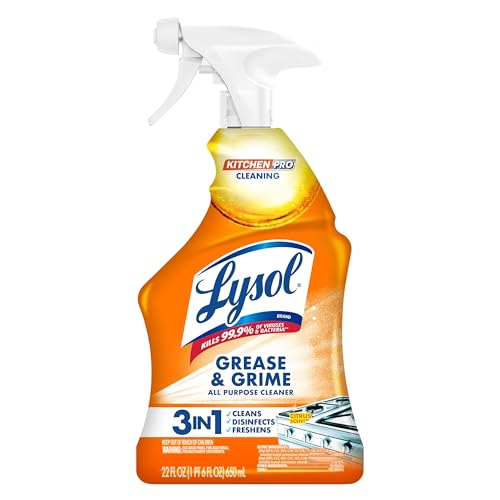
ELIMINATES 99.9% OF KITCHEN VIRUSES AND BACTERIA INCLUDNG SALMONELLA AND E.COLI: Lysol Pro Kitchen Cleaner is tested and proven to eliminate 99.9% of viruses and bacteria* (when used as directed). EPA Reg #777-91.

CABINET & FURNITURE CLEANER: Removes dirt, grime & grease buildup

Complete Cleaning Kit for Effortless Cabinet Care - Everything you need for spotless cabinets in one easy set. This kitchen cabinet cleaner kit includes a precision cleaning brush, and an 8 oz bottle with a calibrated spray top for even coverage. The cabinet cleaner for wood offers a smooth application, while the long-lasting cabinet cleaner degreaser helps you keep your cabinets looking cared for day after day.
Preparing The Area
- Clear the Countertops: Remove clutter from the surfaces around your cabinets. This gives you ample space to work.
- Protect Surfaces: Lay down towels or drop cloths on the floor underneath the cabinets. This prevents drips and catches debris.
- Gather Supplies: Collect your cleaning solutions and tools. You’ll need a soft cloth, a sponge, and your preferred cleaner, whether natural or commercial.
Cleaning Techniques For Different Cabinet Materials
- Wood Cabinets:
- Use a mild soap solution or a dedicated wood cleaner.
- Dampen a cloth with the solution. Wipe the surface gently, following the grain of the wood.
- Dry immediately with a clean cloth to prevent water damage.
- Laminated Cabinets:
- Mix equal parts of vinegar and water in a spray bottle.
- Spray the solution directly on the surface.
- Wipe with a sponge or cloth, ensuring thorough cleaning of any greasy spots.
- Rinse with a damp cloth to remove residue, then dry.
- Metal Cabinets:
- Apply a commercial degreaser for heavy grease buildup.
- Let it sit for a few minutes to break down the grease.
- Wipe with a sponge, then rinse with clean water to avoid leaving a film.
- Painted Cabinets:
- Use a mild all-purpose cleaner or a vinegar solution.
- Clean with a soft sponge to avoid scratching the paint.
- Rinse any cleaner with a damp cloth and dry to maintain the finish.
- Glass Front Cabinets:
- Spray a glass cleaner onto the glass surfaces.
- Wipe using a microfiber cloth for a streak-free shine.
- Clean the frame with a mild soap solution, then dry.
By following these steps, your cabinets will shine and maintain their appearance for years. Regular cleaning keeps them looking new while enhancing the overall kitchen atmosphere.
Preventive Measures For Future Maintenance
Maintaining clean kitchen cabinets involves regular upkeep. Here are effective preventive measures to ensure your cabinets stay free from dirt and grease.
1. Wipe Down Surfaces Regularly
Wipe down cabinet surfaces with a soft cloth every week. Use a mixture of warm water and mild dish soap for best results. This quick task removes light grease and dust buildup.
2. Use Cabinet Liners
Consider installing cabinet liners. Liners protect surfaces from spills and stains, making future cleanups easier. Choose washable or disposable options for convenience.
3. Store Items Properly
Store cooking oil and other greasy items on shelves that are easy to clean. Avoid placing these items directly next to the cabinets to minimize splatters.
4. Control Kitchen Humidity
Manage kitchen humidity using exhaust fans or open windows during cooking. Reducing moisture helps prevent grease buildup on cabinet surfaces.
5. Choose the Right Cleaning Products
Select non-abrasive cleaning products during your regular cleaning routine. Avoid harsh chemicals that can damage cabinet finishes.
6. Schedule Deep Cleaning
Plan a deep cleaning of your cabinets every three to six months. This thorough cleaning keeps dirt and grease from accumulating significantly.
7. Be Mindful While Cooking
Cover pots and pans while cooking. This simple act helps contain splatters and keeps your cabinets cleaner.
Implementing these measures ensures your kitchen cabinets remain in top condition, making your cleaning routine easier and less time-consuming.
Conclusion
Keeping your kitchen cabinets clean doesn’t have to be a daunting task. With a little regular maintenance and the right tools you can easily tackle dirt and grease buildup. Whether you prefer natural solutions or commercial products there’s a method that’ll suit your needs.
By following the steps outlined and incorporating preventive measures you’ll not only enhance the look of your kitchen but also prolong the life of your cabinets. A clean kitchen creates a welcoming atmosphere and makes cooking more enjoyable. So grab your supplies and get started on your journey to a sparkling kitchen!
Frequently Asked Questions
Why is it important to clean kitchen cabinets?
Cleaning kitchen cabinets is essential for enhancing aesthetic appeal, reducing bacteria buildup, prolonging cabinet life, improving functionality, and preventing pest infestations. Regular cleaning ensures a fresh and safe cooking environment.
What natural solutions can I use to clean kitchen cabinets?
Some effective natural cleaning solutions for kitchen cabinets include vinegar, baking soda, olive oil, lemon juice, and Castile soap. These options tackle grease and grime without harsh chemicals and are safe for most surfaces.
What commercial cleaning products are recommended for kitchen cabinets?
Recommended commercial cleaning products include degreasers, non-toxic all-purpose cleaners, wood polish, microfiber cloths, and Magic Erasers. These products effectively maintain kitchen surfaces and help keep them looking fresh and clean.
How do I prepare for cleaning kitchen cabinets?
Preparation involves clearing countertops, protecting surfaces, and gathering necessary cleaning supplies. This ensures a smooth cleaning process and helps prevent damage to your kitchen’s surfaces.
What are the cleaning techniques for different cabinet materials?
Cleaning techniques vary by material: use gentle cleaners for wood, laminate, and painted cabinets, while metal can handle more robust solutions. For glass front cabinets, microfiber cloths and glass cleaners work best to avoid streaks.
How can I prevent dirt and grease buildup on my kitchen cabinets?
To prevent buildup, regularly wipe surfaces with mild soap, use cabinet liners, properly store greasy items, control humidity, choose non-abrasive products, and schedule deep cleanings every three to six months.
How often should kitchen cabinets be cleaned?
Kitchen cabinets should be cleaned regularly, ideally every month for light cleaning and deep cleaning every three to six months. This routine helps maintain their appearance and functionality over time.
