
Key Takeaways
- Importance of Deep Cleaning: Regular deep cleaning in restaurant kitchens is vital for food safety, compliance with health regulations, and maintaining a positive workplace culture.
- Preparation is Key: Gather necessary cleaning supplies and create a structured cleaning schedule to ensure thorough and efficient processes.
- Follow a Step-by-Step Process: Disassemble equipment, clean surfaces, and sanitize appliances systematically to maintain hygiene standards.
- Daily and Monthly Routines: Implement daily and monthly cleaning tasks to uphold cleanliness and prevent buildup, enhancing kitchen efficiency and safety.
- Health Code Compliance: Regular deep cleaning helps meet health code requirements, reducing the risk of penalties and ensuring a professional appearance.
Ever walked into a restaurant kitchen and wondered how they keep it so spotless? You’re not alone. A clean kitchen is crucial not just for food safety but also for creating a welcoming atmosphere for your staff and customers.
Importance Of Deep Cleaning A Restaurant Kitchen
Deep cleaning a restaurant kitchen ensures food safety, hygiene, and compliance with health regulations. Maintaining a clean kitchen minimizes the risk of foodborne illnesses, which can lead to serious health issues for customers. A sanitary environment protects your reputation and keeps staff safe, as they work in a clean space free from contaminants.
Deep cleaning also enhances efficiency. A clutter-free, organized kitchen allows staff to move about easily, find tools, and prepare food quickly. Regular deep cleaning creates a productive atmosphere, ultimately leading to better service and increased customer satisfaction.
Additionally, deep cleaning extends the life of kitchen equipment. Grease buildup and debris can cause appliances to malfunction or break down. By regularly cleaning equipment, you can avoid costly repairs and ensure everything operates at peak performance.
Scheduled deep cleaning helps meet health code requirements. Health inspectors look for cleanliness during regular checks. Non-compliance can lead to penalties or temporary closures. A well-maintained kitchen reflects professionalism and commitment to quality.
Lastly, a clean kitchen fosters a positive workplace culture. Staff tend to take pride in their work environment when it’s clean. This pride can translate to improved morale, lower turnover, and enhanced teamwork, all of which contribute to better overall restaurant performance.
Preparing For The Deep Clean
Getting ready for a deep clean requires careful planning. You need to ensure that your kitchen is set for an efficient and thorough cleaning process.
Gathering The Right Supplies
Collecting the proper supplies is crucial for a successful deep clean. Essential items include:
- Cleaning agents: Choose degreasers, disinfectants, and non-toxic cleaners specific for kitchen surfaces.
- Scrubbing pads: Use both abrasive and gentle pads to tackle various grime levels.
- Mops and brooms: Opt for industrial-grade mops and brooms to cover large areas effectively.
- Gloves and masks: Keep your hands and face safe by wearing disposable gloves and a mask for protection against chemicals.
- Buckets and containers: Use these for mixing cleaning solutions and holding dirty water.
You may also consider color-coded cloths to prevent cross-contamination.
Creating A Cleaning Schedule
A cleaning schedule ensures every area gets attention. Break down the tasks by frequency:
- Daily tasks: Include wiping down counters, sweeping floors, and sanitizing high-touch surfaces.
- Weekly tasks: Focus on cleaning appliances, sinks, and service areas. Inspect for buildup that requires extra effort.
- Monthly tasks: Conduct a deep clean of all corners, light fixtures, and ventilation systems.
Assign cleaning responsibilities to team members, and keep the schedule visible. Regular check-ins can enhance accountability and ensure tasks get done on time.
Step-By-Step Deep Cleaning Process
Deep cleaning a restaurant kitchen ensures a hygienic environment, vital for food safety. Follow these steps for an efficient process.
Disassembling Equipment
- Turn Off Appliances: Unplug all equipment to ensure safety during cleaning.
- Remove Components: Take apart items like fryers, grills, and mixers. Detach removable parts such as fry baskets and blades.
- Organize Parts: Keep disassembled components in labeled containers to simplify reassembly.
- Inspect for Damage: Look for wear or defects on parts that might need replacement.
Cleaning Surfaces And Floors
- Clear Surfaces: Remove all items from counters, shelves, and prep areas to expose surfaces.
- Dust and Scrub: Start at the top and work your way down. Dust overhead vents before scrubbing surfaces with appropriate cleaning agents.
- Mop Floors: Use a suitable industrial cleaner for floors. Allow enough time for it to dry to prevent slips.
- Edge Cleaning: Pay attention to corners and edges. Use a scrub brush to eliminate stubborn grime or grease buildups.
Sanitizing Appliances And Utensils
- Wash and Rinse: Clean all utensils and cookware, starting with soap and hot water, followed by a thorough rinse.
- Use Sanitizers: Apply an approved sanitizing solution to surfaces and utensils, following specific time guidelines for effectiveness.
- Air Dry: Allow sanitized items to air dry. This step prevents contamination reintroduction from towels.
- Check for Compliance: Review local health codes to ensure all steps adhere to regulations.
By following this structured process, you maintain a clean, safe environment essential for your restaurant.
Maintaining A Clean Restaurant Kitchen
A clean restaurant kitchen promotes safety and efficiency. Implementing structured cleaning routines ensures a hygienic work environment and enhances overall performance.
Recommended Products


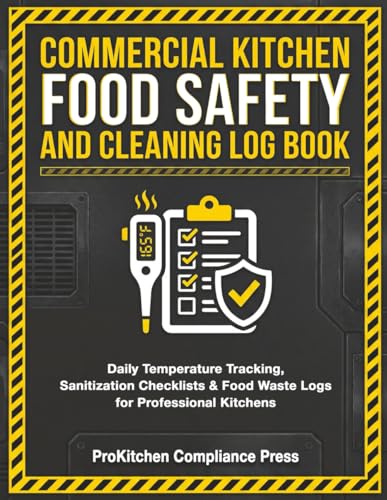
Daily Cleaning Routines
Daily cleaning routines help maintain a minimum standard of cleanliness. Here’s a quick list of essential tasks to complete every day:
- Wipe Down Surfaces: Clean countertops, tables, and cutting boards with food-safe sanitizers.
- Sweep and Mop Floors: Remove food debris and spills to prevent slips and falls.
- Clean Cooking Equipment: Scrub grills, fryers, and stoves after each service to prevent buildup.
- Wash Utensils and Dishes: Ensure all dishes, pots, and pans are washed and sanitized.
- Empty Garbage Cans: Dispose of waste to prevent odors and pest attraction.
Creating a checklist for these daily tasks can streamline the process and hold staff accountable.
Monthly Deep Cleaning Tasks
Monthly deep cleaning tasks are crucial for maintaining a high standard. Focus on specific areas that require thorough attention, including:
- Deep Clean Refrigerators and Freezers: Remove all contents, disinfect shelves, and check for expired items.
- Descale Dishwashers: Use a descaling agent to clear mineral buildup and ensure efficiency.
- Sanitize Exhaust Hoods: Clean filters and surfaces to prevent grease accumulation.
- Scrub Walls and Ceilings: Use a non-toxic cleaner to remove grime and dust from all surfaces.
- Inspect and Clean Equipment: Take apart major appliances to clean hidden areas and check for wear.
Setting a specific day each month for these tasks increases adherence and ensures thorough cleaning throughout the year.
Conclusion
A deep clean in your restaurant kitchen isn’t just about looking good; it’s about creating a safe and efficient space for everyone. By sticking to a regular cleaning schedule and involving your team in the process, you’ll not only meet health standards but also foster a positive work environment.
Remember that a clean kitchen boosts morale and helps keep your staff happy and productive. So take the time to implement these practices and watch your restaurant thrive. Your commitment to cleanliness will shine through in every dish you serve and every smile from your customers.
Frequently Asked Questions
Why is maintaining a clean restaurant kitchen important?
A clean restaurant kitchen is crucial for food safety and helps create a welcoming atmosphere for staff and customers. It minimizes the risk of foodborne illnesses, ensures compliance with health regulations, and protects the restaurant’s reputation while promoting a positive workplace culture.
What supplies are needed for deep cleaning a restaurant kitchen?
Essential supplies for deep cleaning include cleaning agents, scrubbing pads, industrial-grade mops and brooms, gloves, masks, and buckets. These items help ensure an efficient and thorough cleaning process, addressing hygiene and safety concerns effectively.
How often should a restaurant kitchen be deep cleaned?
A restaurant kitchen should be deep cleaned regularly, ideally on a monthly basis. Additionally, daily and weekly routines should be established to maintain cleanliness and hygiene standards throughout the establishment.
What is the step-by-step process for deep cleaning a kitchen?
The deep cleaning process involves turning off appliances, disassembling equipment, cleaning surfaces and floors, and sanitizing appliances and utensils. This structured approach helps ensure effective cleaning and compliance with local health codes.
What are the daily cleaning tasks for a restaurant kitchen?
Daily cleaning tasks include wiping down surfaces, sweeping and mopping floors, cleaning cooking equipment, washing utensils and dishes, and emptying garbage cans. Establishing a checklist can help enhance accountability and maintain cleanliness.
How can I create an effective cleaning schedule?
To create an effective cleaning schedule, break down tasks by frequency—daily, weekly, and monthly. Assign responsibilities to team members and maintain visibility of the schedule to enhance accountability and ensure cleaning tasks are completed on time.
What are some essential monthly deep cleaning tasks?
Monthly deep cleaning tasks include cleaning refrigerators and freezers, descaling dishwashers, sanitizing exhaust hoods, scrubbing walls and ceilings, and inspecting equipment. Setting a specific day each month for these tasks helps maintain thorough cleanliness year-round.
